Công ty Hải Đức Bột với hơn 10 năm kinh nghiệm vận chuyển khí, cung cấp hệ thống‑thiết bị‑quạt gió và nhận dự án tổng thầu bột cả nước
When it comes to handling polypropylene (PP) materials in industrial settings, selecting the right conveying method is crucial for efficiency, safety, and cost-effectiveness. Polypropylene is a widely used thermoplastic polymer known for its lightweight, chemical resistance, and versatility in various applications. However, its properties also pose challenges during material handling, such as dust generation and the need for controlled movement. This article explores the common polypropylene conveying methods and highlights the advantages of pneumatic conveying, a preferred solution for many industries.
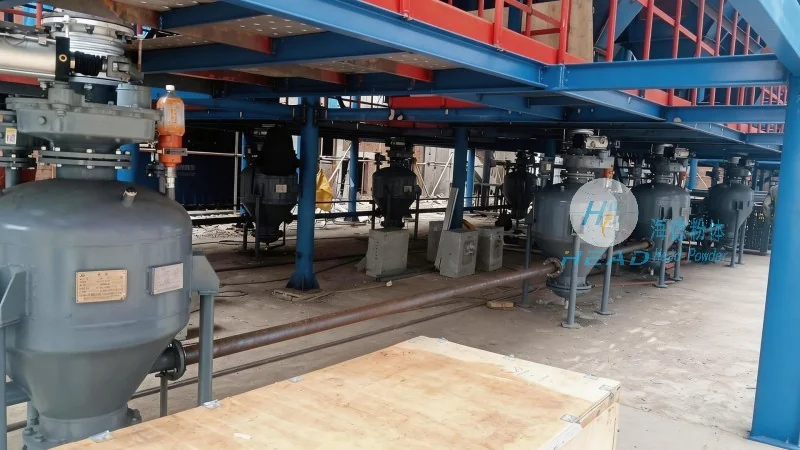
Polypropylene Conveying Methods: An Overview
Polypropylene can be transported using several methods, each with its own set of applications and limitations. The primary methods include mechanical conveying, gravity-based systems, and pneumatic conveying. Each method is suited to different operational requirements, material characteristics, and environmental considerations.
1. Mechanical Conveying Systems
Mechanical conveying involves the use of equipment like screw conveyors, belt conveyors, and chain conveyors to move polypropylene. These systems rely on mechanical force to transport materials from one location to another. Screw conveyors, for instance, use a rotating screw to push material forward, making them ideal for vertical or inclined transport. Belt conveyors, on the other hand, use a continuous belt to carry materials horizontally or at a slight incline. Mechanical conveyors are generally cost-effective and straightforward to install, but they may face challenges with abrasive or dusty polypropylene, as the moving parts can wear out quickly and generate significant dust.
2. Gravity Conveying
Gravity conveying utilizes the natural force of gravity to move polypropylene from higher to lower levels. This method is often employed in applications where the material can flow freely, such as in chutes or troughs. While gravity systems are simple and require minimal energy, they are limited by the need for a suitable slope and the material's flowability. For polypropylene, which can be prone to bridging or sticking, gravity conveying may not be sufficient, leading to blockages and inefficiencies.
3. Pneumatic Conveying: The Preferred Solution
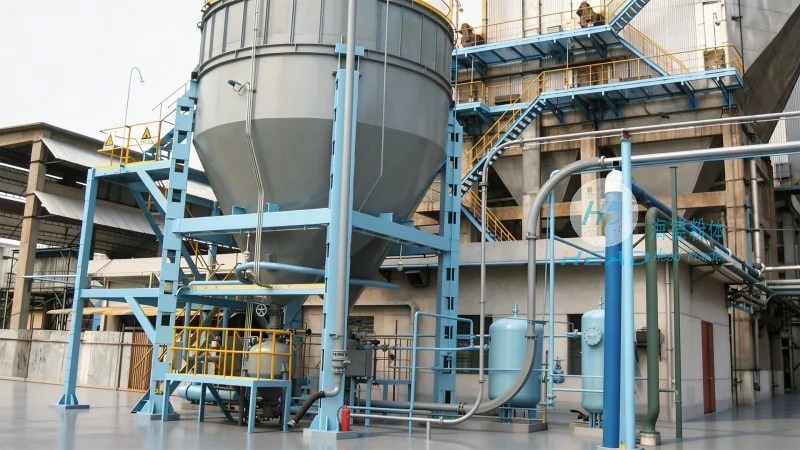
Pneumatic conveying, also known as air conveying, is a method that uses compressed air to transport polypropylene particles through a pipeline. This technique is particularly effective for polypropylene due to its ability to handle fine powders, pellets, or granules without the need for mechanical contact. Pneumatic systems can be categorized into two main types: pressure and vacuum. Pressure systems use compressed air to push material through the pipeline, while vacuum systems use a vacuum to draw material from the source.
Advantages of Polypropylene Pneumatic Conveying
Pneumatic conveying offers several advantages over traditional mechanical or gravity methods, making it the preferred choice for many polypropylene handling applications. The key benefits include:
3.1. Minimal Material Contamination
Pneumatic systems are designed to minimize contact between the polypropylene and the conveying equipment. This reduces the risk of contamination from metal parts or other materials, which is critical for applications where product purity is essential. The absence of moving parts in the conveying line also means less wear and tear on the material, preserving its quality.
3.2. Efficient Dust Control
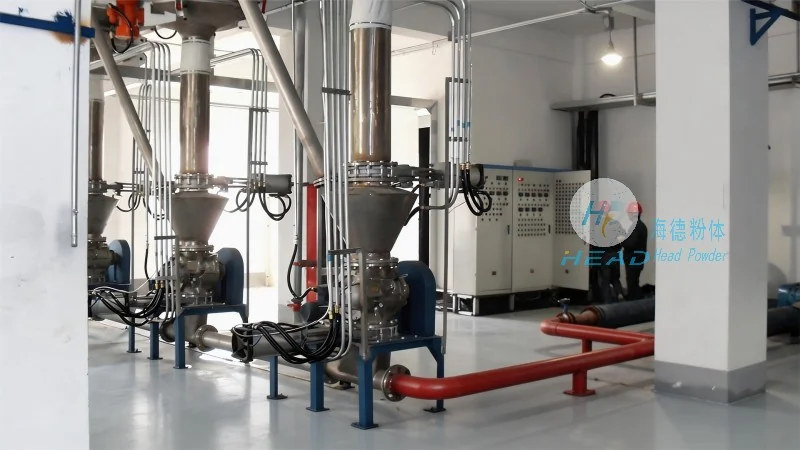
Polypropylene is known for generating dust during handling, which can be a health and safety hazard. Pneumatic conveying systems are equipped with dust collection and filtration mechanisms that effectively capture and contain dust particles. This not only improves workplace safety but also helps maintain a clean environment and prevents product loss due to dust accumulation.
3.3. Versatility in Material Handling
Pneumatic conveying can handle a wide range of polypropylene forms, including powders, pellets, and granules. It is also adaptable to various distances and layouts, allowing for flexible system designs. Whether transporting materials over short or long distances, vertically or horizontally, pneumatic systems can be configured to meet specific operational needs.
3.4. Reduced Maintenance and Downtime
Unlike mechanical conveyors that require regular maintenance and part replacement, pneumatic systems have fewer moving parts, leading to lower maintenance costs and less downtime. The simplicity of the system design means fewer components are prone to failure, resulting in higher operational reliability.
3.5. Energy Efficiency
While pneumatic systems use compressed air, modern designs incorporate energy-efficient components such as variable frequency drives (VFDs) and optimized air flow control. This reduces energy consumption compared to traditional mechanical systems, contributing to lower operational costs over time.
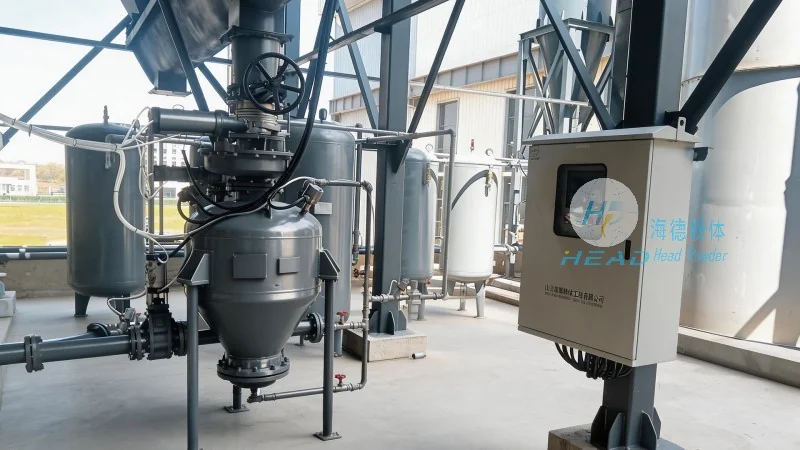
3.6. Scalability and Integration
Pneumatic conveying systems can be easily scaled up or down to accommodate changing production volumes. They can also be integrated with other processing equipment, such as mixers, dryers, or packaging machines, creating a seamless material handling workflow. This flexibility makes pneumatic systems suitable for both small-scale and large-scale industrial operations.
Conclusion
In conclusion, the choice of polypropylene conveying method significantly impacts the efficiency and safety of industrial operations. While mechanical and gravity systems have their uses, pneumatic conveying stands out as a superior option for handling polypropylene due to its advantages in contamination control, dust management, versatility, and maintenance. For businesses dealing with polypropylene, investing in a well-designed pneumatic conveying system can lead to improved productivity, reduced operational costs, and enhanced workplace safety.
Shandong HeadPowder Engineering Co., Ltd., a leading provider of material handling solutions, specializes in designing and manufacturing high-quality pneumatic conveying systems tailored to the needs of polypropylene processing industries. With a focus on innovation and customer satisfaction, HeadPowder offers reliable solutions that enhance the efficiency and safety of polypropylene handling processes. Contact HeadPowder today to learn more about how their pneumatic conveying systems can optimize your polypropylene material handling operations.

 Công ty TNHH Kỹ thuật Công trình Bột Hải Đức Sơn Đông
 156-6277-7102(Quản lý Trương)
  0531-83386006
  Quận Chương Khâu, Thành phố Tế Nam, Tỉnh Sơn Đông, Trung Quốc
Điện thoại
WeChatTư vấn
Lên đầu