Công ty Hải Đức Bột với hơn 10 năm kinh nghiệm vận chuyển khí, cung cấp hệ thống‑thiết bị‑quạt gió và nhận dự án tổng thầu bột cả nước
When it comes to transporting baryte, a crucial mineral widely used in various industrial applications, selecting the right conveying method is essential for efficiency, safety, and cost-effectiveness. Baryte, also known as barite, is a heavy mineral with a high specific gravity, making its handling and transport require specialized equipment and techniques. Among the various options available, pneumatic conveying stands out as a highly effective and increasingly popular solution for baryte transportation. This article explores the different baryte conveying methods and delves into the advantages and unique characteristics of pneumatic conveying, highlighting why it has become a preferred choice for many industries.
Understanding Baryte and Its Transportation Needs
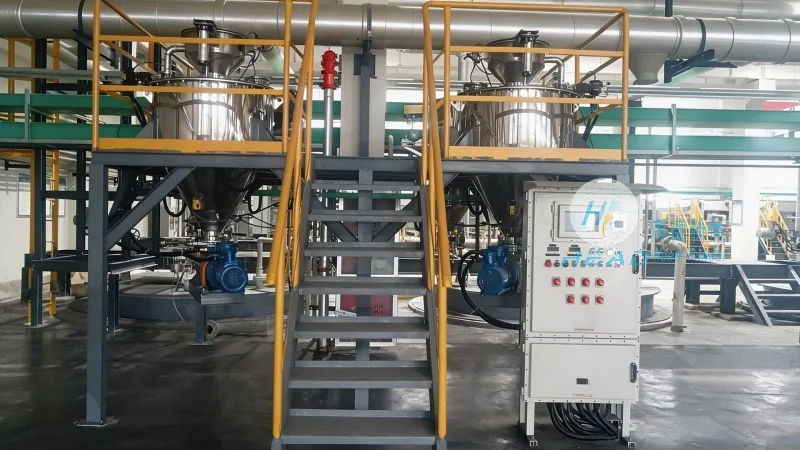
Baryte, chemically known as barium sulfate (BaSO₄), is a naturally occurring mineral that serves as a weighting agent in drilling fluids, a pigment in paints and plastics, and a component in various chemical processes. Due to its high density and abrasive properties, transporting baryte requires systems that can handle these challenges without compromising on performance or safety. Traditional methods such as belt conveyors, bucket elevators, and screw conveyors have been used for decades, but they often face limitations when dealing with fine powders or abrasive materials. This is where pneumatic conveying offers a superior alternative.
Different Baryte Conveying Methods
Several methods are employed for baryte transportation, each with its own set of applications and limitations. The primary options include:
Belt Conveyors: These are widely used for bulk material handling, particularly in mining and quarry operations. Belt conveyors are effective for transporting larger baryte particles over long distances but may struggle with fine powders, which can lead to dust issues and reduced efficiency.
Bucket Elevators: Commonly used in vertical or inclined transport, bucket elevators lift baryte from lower to higher levels. They are suitable for handling dry, free-flowing materials but can be noisy and require regular maintenance to prevent wear and tear.
Screw Conveyors: Screw conveyors use a rotating screw to move baryte along a tube or trough. They are ideal for horizontal or slightly inclined transport and can handle a variety of particle sizes, but they may not be suitable for very fine or abrasive powders, as they can cause excessive friction and wear.
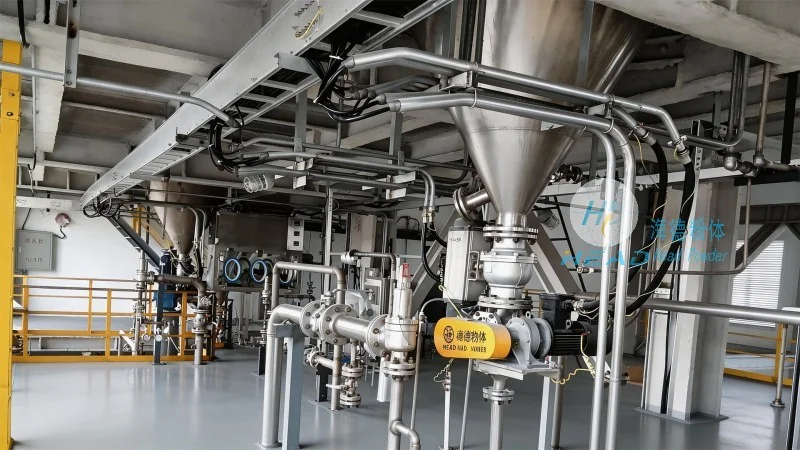
Pneumatic Conveying: This method uses air pressure to transport baryte in a closed system, typically as a fine powder or slurry. Pneumatic conveying offers a flexible and efficient solution for handling a wide range of baryte forms, from coarse lumps to fine powders.
Pneumatic Conveying: Advantages and Features
Pneumatic conveying has gained significant traction in the baryte industry due to its numerous advantages over traditional methods. The key benefits include:
Efficiency and Speed: Pneumatic systems can transport baryte at high speeds, reducing overall processing time. The ability to move material in a continuous flow minimizes downtime and enhances production throughput.
Flexibility and Versatility: Pneumatic conveying systems can be easily adapted to different baryte types and particle sizes. They can handle both dry powders and wet slurries, making them suitable for various industrial applications.
Reduced Labor and Maintenance: Unlike mechanical systems that require regular maintenance and manual intervention, pneumatic systems are generally low-maintenance. The absence of moving parts in the conveying line reduces wear and tear, leading to lower operational costs over time.
Improved Safety and Environmental Control: Pneumatic conveying operates in a closed system, preventing dust emissions and minimizing the risk of material contamination. This not only enhances workplace safety but also helps in complying with environmental regulations.
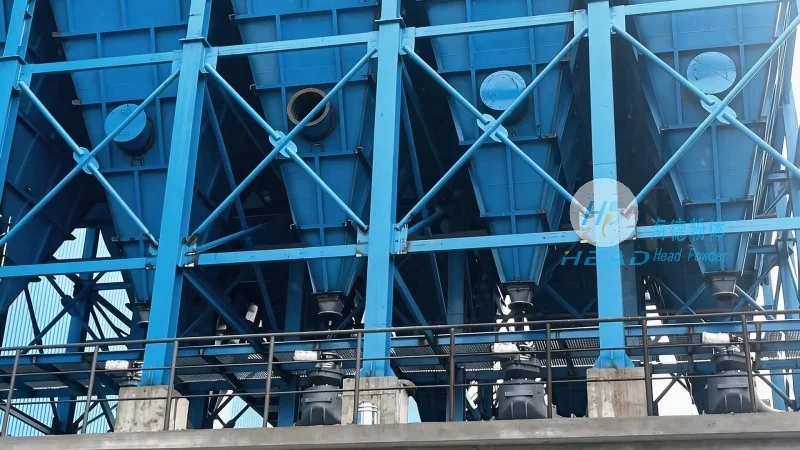
Energy Efficiency: Modern pneumatic systems are designed to be energy-efficient, using compressed air only when necessary. Advanced control systems optimize air usage, reducing energy consumption and operational costs.
HeadPowder: Your Trusted Partner for Baryte Conveying Solutions
Shandong HeadPowder Engineering Co., Ltd., operating under the brand name HeadPowder, is a leading provider of specialized baryte conveying solutions. With years of experience in the mineral processing industry, HeadPowder offers tailored pneumatic conveying systems that meet the unique needs of baryte transportation. Our team of experts works closely with clients to design and implement efficient, reliable, and cost-effective conveying systems that enhance productivity and ensure safety.
HeadPowder’s pneumatic conveying solutions are built with high-quality materials and advanced technology, ensuring durability and long-term performance. We understand that each baryte application has specific requirements, and our customized approach ensures that our systems are optimized for maximum efficiency. Whether you need a simple pneumatic conveyor for small-scale operations or a complex system for large industrial plants, HeadPowder has the expertise and resources to deliver the best solution.
Conclusion
In conclusion, the choice of baryte conveying method depends on various factors, including the material properties, application requirements, and operational constraints. While traditional methods like belt conveyors and screw conveyors have their place, pneumatic conveying offers superior advantages in terms of efficiency, flexibility, and safety. For industries looking to enhance their baryte handling processes, pneumatic conveying is a highly effective and sustainable solution. With HeadPowder as your partner, you can leverage the benefits of advanced pneumatic conveying technology to improve your operations and achieve greater success in the baryte industry.

 Công ty TNHH Kỹ thuật Công trình Bột Hải Đức Sơn Đông
 156-6277-7102(Quản lý Trương)
  0531-83386006
  Quận Chương Khâu, Thành phố Tế Nam, Tỉnh Sơn Đông, Trung Quốc
Điện thoại
WeChatTư vấn
Lên đầu