Công ty Hải Đức Bột với hơn 10 năm kinh nghiệm vận chuyển khí, cung cấp hệ thống‑thiết bị‑quạt gió và nhận dự án tổng thầu bột cả nước
Perlite, a lightweight, porous volcanic rock, is widely used in various industries due to its excellent thermal insulation properties and lightweight characteristics. When it comes to transporting perlite, different methods are employed depending on the application and operational requirements. Among these, pneumatic conveying stands out as a highly efficient and versatile solution. This article explores the different conveying methods available for perlite and highlights the key advantages and features of pneumatic conveying systems.
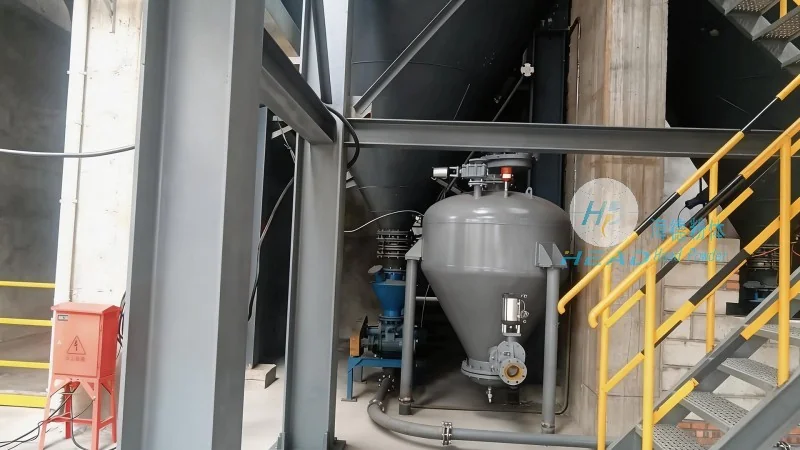
Understanding Different Perlite Conveying Methods
Perlite can be transported using several methods, each with its own set of advantages and limitations. The primary methods include gravity flow, mechanical conveying, and pneumatic conveying. Gravity flow involves using inclined chutes or hoppers to allow perlite to move under the influence of gravity. This method is simple and cost-effective but is limited by the slope and the material's properties. Mechanical conveying, such as belt conveyors or screw conveyors, uses mechanical components to move the material. While reliable, these systems can be noisy and may cause wear and tear on the equipment over time. Pneumatic conveying, on the other hand, uses air pressure to transport perlite through a pipeline system.
Pneumatic Conveying: The Preferred Method for Perlite Transport
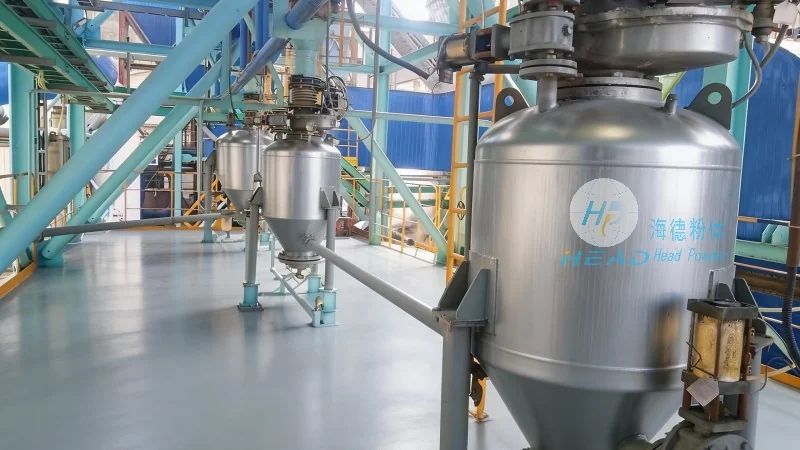
Pneumatic conveying has become the preferred method for transporting perlite in many industrial applications. This technology offers several advantages that make it superior to other methods. One of the key benefits is its ability to handle fine or powdery materials without the need for additional equipment like hoppers or chutes. The system can transport perlite over long distances with minimal loss, making it ideal for large-scale operations. Additionally, pneumatic conveying systems are relatively compact and can be easily integrated into existing production lines. The use of air as the conveying medium also reduces the risk of material contamination and dust exposure compared to mechanical systems.
Key Advantages of Pneumatic Conveying for Perlite
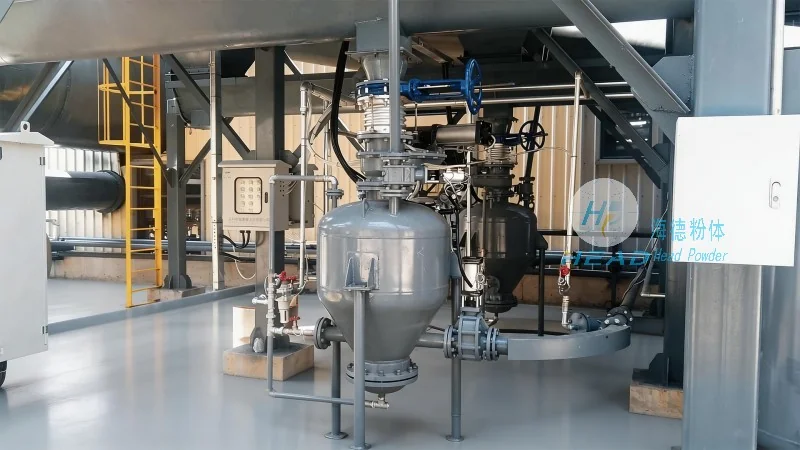
When considering the advantages of pneumatic conveying for perlite, several factors stand out. First, the system provides a high degree of control over the material flow, allowing for precise dosing and regulation. This is crucial in applications where consistent material quality is essential, such as in the production of insulation materials or in chemical processing. Second, pneumatic conveying systems are highly efficient in terms of energy consumption. By using compressed air, the system can move large volumes of perlite with relatively low energy input compared to mechanical systems. Third, the system is versatile and can handle a wide range of perlite types and particle sizes. Whether dealing with coarse perlite or fine perlite powder, the system can be adjusted to accommodate different material characteristics. Finally, the maintenance requirements for pneumatic conveying systems are generally lower than for mechanical systems, as there are fewer moving parts that can wear out or break.
Features of Pneumatic Conveying Systems for Perlite
Modern pneumatic conveying systems for perlite are equipped with several features that enhance their performance and reliability. These features include variable speed drives, which allow for precise control of the air flow and material transport speed. This ensures that the system can adapt to changing production demands without compromising efficiency. Additionally, many systems incorporate dust collection and filtration components to maintain air quality and comply with environmental regulations. The use of flexible hoses and flexible connectors in the pipeline system also provides flexibility in system layout and installation, allowing for easy expansion or reconfiguration as needed. Furthermore, advanced control systems, such as PLC (Programmable Logic Controller) based controls, enable automated operation and monitoring of the conveying process, reducing the need for manual intervention and improving overall system efficiency.
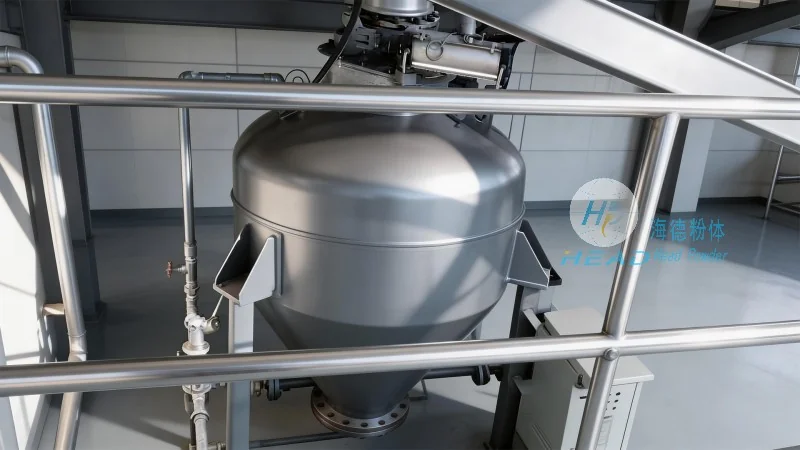
Conclusion: Choosing the Right Conveying Method for Perlite
When selecting a conveying method for perlite, it is essential to consider the specific requirements of the application. While gravity flow and mechanical conveying may be suitable for small-scale or low-volume operations, pneumatic conveying offers superior performance and flexibility for larger-scale industrial applications. The advantages of pneumatic conveying, including high efficiency, low maintenance, and the ability to handle a wide range of perlite types, make it the preferred choice for many industries. By understanding the different conveying methods and the key features of pneumatic conveying systems, businesses can make informed decisions that optimize their operations and improve overall productivity. As a leading provider of engineering solutions, Shandong HeadPowder Engineering Co., Ltd. specializes in designing and manufacturing high-quality pneumatic conveying systems tailored to the specific needs of perlite transport applications.

 Công ty TNHH Kỹ thuật Công trình Bột Hải Đức Sơn Đông
 156-6277-7102(Quản lý Trương)
  0531-83386006
  Quận Chương Khâu, Thành phố Tế Nam, Tỉnh Sơn Đông, Trung Quốc
Điện thoại
WeChatTư vấn
Lên đầu