Công ty Hải Đức Bột với hơn 10 năm kinh nghiệm vận chuyển khí, cung cấp hệ thống‑thiết bị‑quạt gió và nhận dự án tổng thầu bột cả nước
Small material handling and conveying is a critical aspect of many industrial processes, particularly in sectors such as pharmaceuticals, food processing, and chemical manufacturing. The efficient and reliable transport of small powders, granules, and fine particles is essential for maintaining product quality, ensuring process safety, and optimizing operational efficiency. In this context, understanding the various small material conveying methods available is crucial for selecting the most suitable solution for specific applications.
Introduction to Small Material Conveying Systems
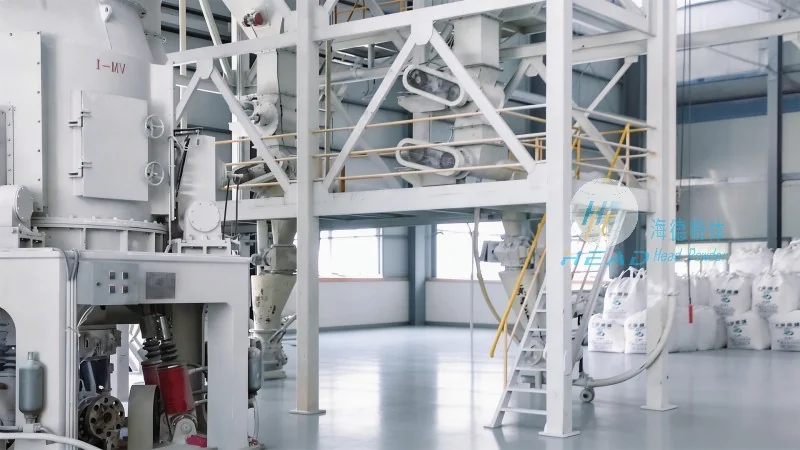
Small material conveying systems are designed to transport bulk materials in small quantities, typically in the form of powders, granules, or fine particles. These systems are used in a wide range of industries, including pharmaceuticals, food and beverage, chemicals, and minerals processing. The choice of conveying method depends on several factors, including the material properties (e.g., particle size, density, moisture content), the required conveying distance, the desired flow rate, and the environmental considerations (e.g., dust control, hygiene requirements).
Types of Small Material Conveying Methods
There are several common methods for conveying small materials, each with its own advantages and limitations. The primary methods include pneumatic conveying, mechanical conveying, and hybrid systems. Pneumatic conveying, also known as air conveying, is one of the most widely used techniques for small material transport due to its flexibility and ability to handle a variety of materials. Mechanical conveying methods, such as screw conveyors and belt conveyors, are also popular but may be less suitable for certain materials or applications.
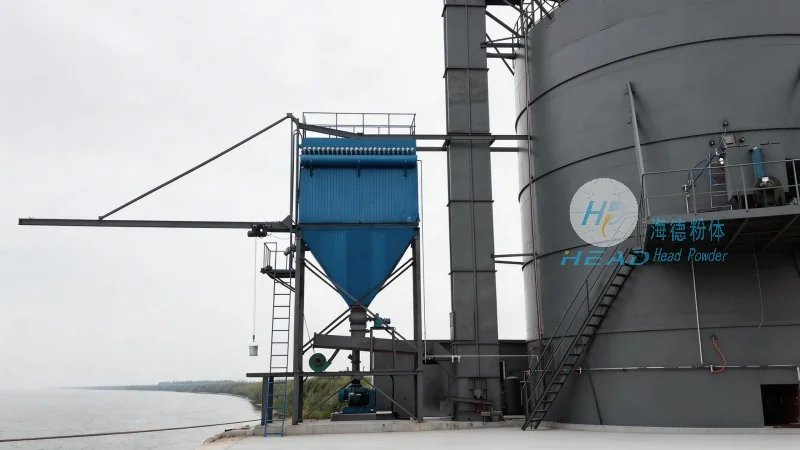
Pneumatic Conveying Systems for Small Materials
Pneumatic conveying systems use compressed air or other gases to transport small materials through a pipeline. There are two main types of pneumatic conveying: pressure and vacuum systems. Pressure systems operate by pushing material through the pipeline using compressed air, while vacuum systems pull material from the source using a vacuum. Both systems are effective for small material conveying, with pressure systems generally being more suitable for longer distances and higher flow rates.
Shandong HeadPowder Engineering Co., Ltd., a leading manufacturer of small material handling equipment, specializes in the design and production of pneumatic conveying systems tailored to the needs of various industries. The company's expertise lies in providing customized solutions that ensure efficient and reliable transport of small powders and granules. With a focus on quality and innovation, HeadPowder Engineering has established itself as a trusted partner in the small material conveying industry.
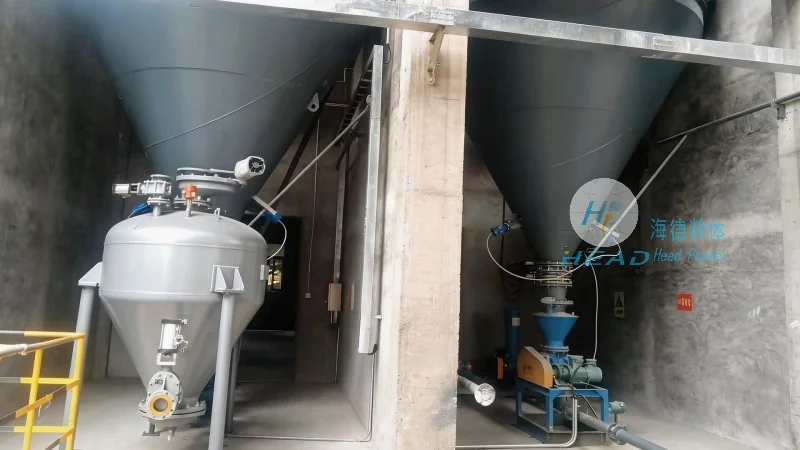
Key Features of Pneumatic Conveying for Small Materials
Pneumatic conveying systems for small materials offer several key advantages. First, they can handle a wide range of materials, including sensitive or hygroscopic powders, without causing degradation or contamination. Second, these systems are highly flexible, allowing for easy integration into existing production lines and modifications to accommodate changing process requirements. Third, pneumatic conveying is generally more energy-efficient compared to mechanical methods, especially for longer conveying distances. Additionally, these systems provide excellent dust control and can be designed to meet stringent hygiene standards, making them ideal for applications in the pharmaceutical and food industries.
Applications of Small Material Pneumatic Conveying
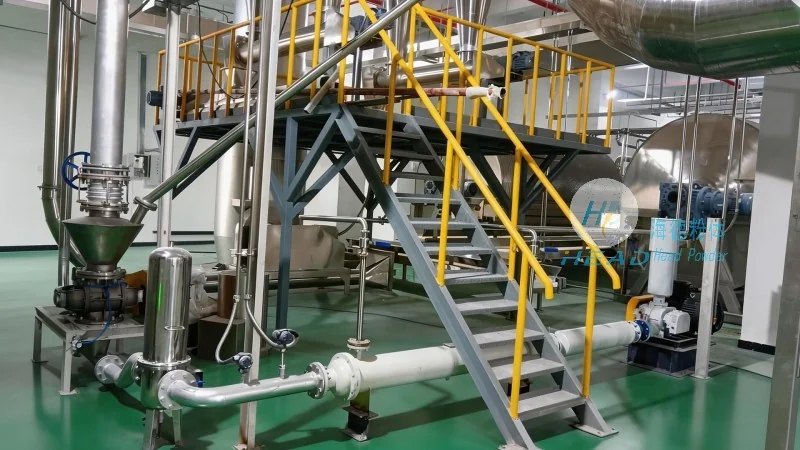
The applications of small material pneumatic conveying systems are diverse and widespread. In the pharmaceutical industry, these systems are used to transport active pharmaceutical ingredients (APIs), excipients, and other fine powders with high precision and minimal contamination. In the food and beverage sector, pneumatic conveying is employed to handle ingredients like flour, sugar, and spices, ensuring consistent quality and maintaining hygiene standards. The chemical industry also utilizes pneumatic conveying for transporting various chemicals, including powders and granules, while the minerals processing industry relies on these systems for handling raw materials and byproducts.
Conclusion
Small material conveying is a complex but essential part of many industrial processes. The choice of conveying method depends on the specific requirements of the application, including material properties, conveying distance, and operational constraints. Pneumatic conveying, particularly with the expertise of companies like Shandong HeadPowder Engineering Co., Ltd., offers a reliable and efficient solution for transporting small powders and granules. By understanding the different small material conveying methods and their applications, industries can select the most appropriate system to optimize their operations and ensure product quality.

 Công ty TNHH Kỹ thuật Công trình Bột Hải Đức Sơn Đông
 156-6277-7102(Quản lý Trương)
  0531-83386006
  Quận Chương Khâu, Thành phố Tế Nam, Tỉnh Sơn Đông, Trung Quốc
Điện thoại
WeChatTư vấn
Lên đầu