Công ty Hải Đức Bột với hơn 10 năm kinh nghiệm vận chuyển khí, cung cấp hệ thống‑thiết bị‑quạt gió và nhận dự án tổng thầu bột cả nước
When it comes to handling and transporting alumina powder, selecting the right conveying method is crucial for ensuring efficiency, safety, and product integrity. Alumina, a widely used material in various industries such as ceramics, refractories, and chemical processing, requires specialized equipment and techniques to manage its flow effectively. This article explores common alumina powder conveying methods, with a focus on the advantages and applications of pneumatic conveying systems.
Introduction to Alumina Powder and Conveying Challenges
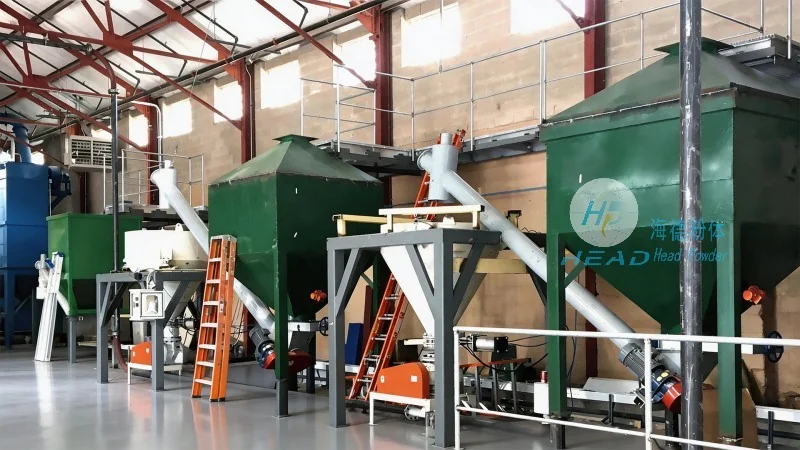
Alumina powder, also known as aluminum oxide (Al₂O₃), is a fine, white powder with a high density and abrasive properties. Its handling presents unique challenges due to its fine particle size, which can lead to caking, dust generation, and blockages in traditional conveying systems. Traditional methods like belt conveyors or screw conveyors may not be suitable for alumina powder because they can cause particle degradation and increased friction, potentially leading to equipment wear and reduced efficiency. Therefore, specialized conveying solutions are essential to maintain the quality and consistency of the material during transport.
Pneumatic Conveying: A Preferred Solution for Alumina Powder
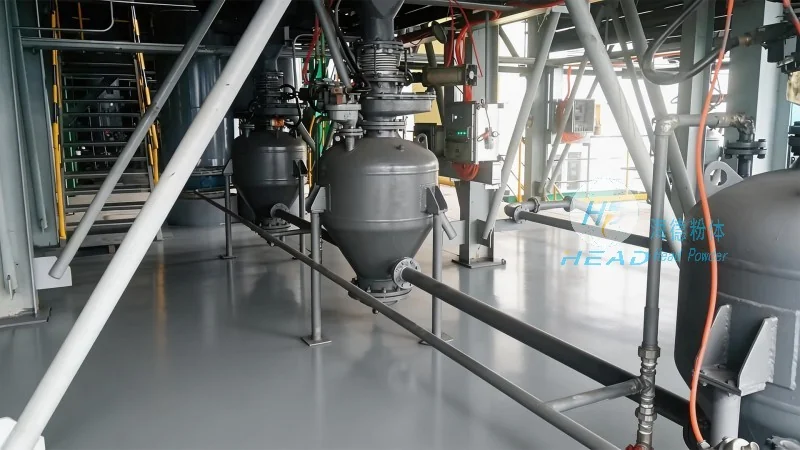
Pneumatic conveying, also known as air conveying, is a widely adopted method for transporting alumina powder due to its ability to handle fine powders efficiently and with minimal product degradation. This technology uses a pressurized or vacuum system to move the powder through a pipeline using air or other gases. There are two main types of pneumatic conveying systems: pressure and vacuum. Pressure systems use compressed air to push the powder forward, while vacuum systems use a vacuum to pull the powder into the pipeline. Both systems are effective for alumina powder, but the choice depends on the specific application, distance, and material characteristics.
Key Advantages of Pneumatic Conveying for Alumina Powder
One of the primary advantages of pneumatic conveying for alumina powder is its ability to maintain product purity and integrity. Unlike mechanical conveyors, which can cause friction and particle attrition, pneumatic systems minimize contact with the material, reducing the risk of contamination and maintaining the powder's quality. Additionally, pneumatic conveying offers flexibility in system design, allowing for vertical, horizontal, or mixed conveying paths, which is beneficial for complex production layouts. The system also provides better control over the flow rate and pressure, ensuring consistent and reliable transport of the alumina powder.
Components of a Pneumatic Conveying System for Alumina Powder
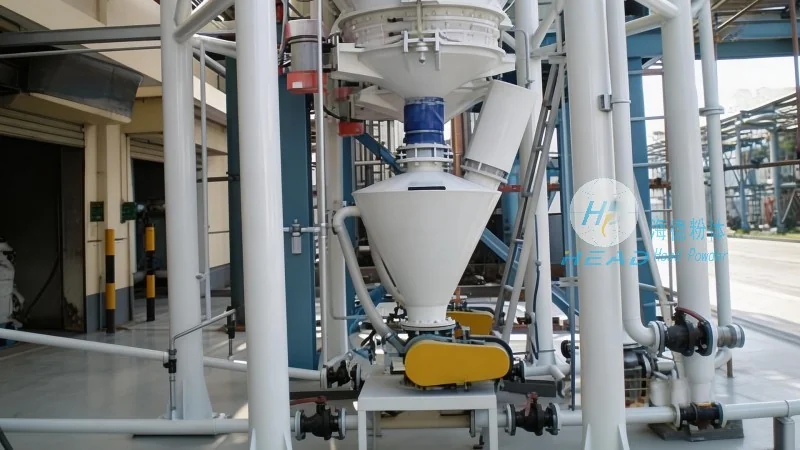
A typical pneumatic conveying system for alumina powder consists of several key components. These include a material feed hopper, a rotary valve or feeder to control the flow of powder into the system, a conveying line (usually made of stainless steel or other corrosion-resistant materials to handle the abrasive nature of alumina), a pressure or vacuum source (such as a blower or compressor), and a receiver or discharge hopper at the destination. The system may also include accessories like filters, cyclones, and silencers to manage dust and noise. The choice of materials for the conveying line is critical, as alumina powder can be abrasive and corrosive, requiring durable components to ensure long-term system performance.
Applications of Pneumatic Conveying in Alumina Powder Handling
Pneumatic conveying is used in various applications involving alumina powder, from raw material transport to finished product delivery. In the ceramics industry, for example, alumina powder is conveyed from storage silos to mixing and processing equipment. In the chemical industry, it may be transported from reactors to storage tanks or to downstream processing units. The flexibility of pneumatic systems allows them to handle both short and long distances, making them suitable for both small-scale laboratory operations and large-scale industrial plants. Additionally, pneumatic conveying can be integrated with other processing equipment, such as mixers and reactors, to create a seamless material flow process.
Considerations for Implementing Pneumatic Conveying Systems
When implementing a pneumatic conveying system for alumina powder, several factors must be considered to ensure optimal performance. The first is the system's capacity, which should be matched to the production rate and material flow requirements. The second is the material's properties, including particle size, density, and moisture content, as these affect the conveying efficiency and system design. The third is the distance and layout of the conveying path, as this influences the choice between pressure and vacuum systems. Additionally, the system's maintenance and operational costs should be evaluated, as pneumatic systems require regular cleaning and component replacement to maintain efficiency.
Conclusion: Choosing the Right Conveying Method for Alumina Powder
In conclusion, pneumatic conveying is a highly effective method for transporting alumina powder, offering advantages in product integrity, flexibility, and control. However, the choice of conveying system depends on the specific application, material characteristics, and operational requirements. By understanding the components and considerations of pneumatic conveying systems, manufacturers can select the most suitable solution to meet their needs and ensure efficient and reliable handling of alumina powder. As a leading provider in the field, Shandong HeadPowder Engineering Co., Ltd. specializes in designing and manufacturing customized pneumatic conveying systems tailored to the unique requirements of alumina powder handling, ensuring optimal performance and long-term reliability.

 Công ty TNHH Kỹ thuật Công trình Bột Hải Đức Sơn Đông
 156-6277-7102(Quản lý Trương)
  0531-83386006
  Quận Chương Khâu, Thành phố Tế Nam, Tỉnh Sơn Đông, Trung Quốc
Điện thoại
WeChatTư vấn
Lên đầu