Công ty Hải Đức Bột với hơn 10 năm kinh nghiệm vận chuyển khí, cung cấp hệ thống‑thiết bị‑quạt gió và nhận dự án tổng thầu bột cả nước
Calcium nitrite, a chemical compound with the formula Ca(NO₂)₂, is widely used in industrial processes such as concrete admixtures, water treatment, and metal processing. The efficient and safe transportation of this material from storage to processing equipment is critical for maintaining production continuity and ensuring compliance with safety regulations. Various conveying methods are available, each with its own advantages and limitations. This article outlines common calcium nitrite conveying approaches, with a particular emphasis on air-driven (pneumatic) conveying systems, which have become a preferred choice for many industries due to their versatility and performance.
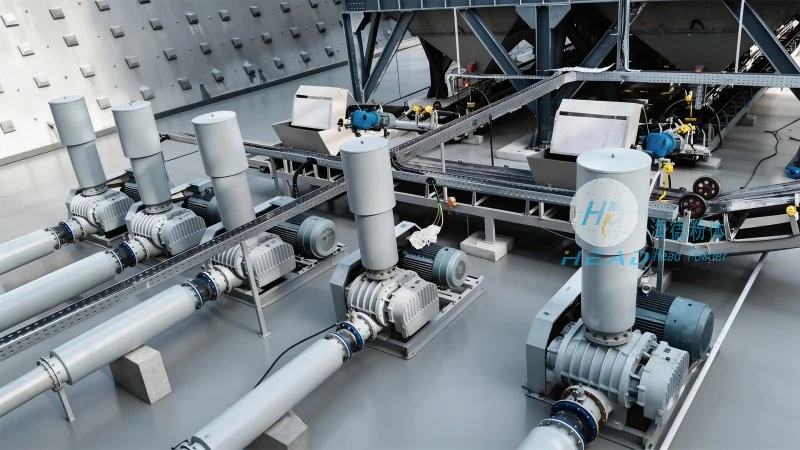
Key Considerations for Calcium Nitrite Conveying
Before selecting a conveying method, several factors must be considered to ensure optimal performance. These include the material's physical properties, such as bulk density, flowability, and moisture content, as well as the distance and elevation changes between the source and destination points. Additionally, safety considerations, like dust control and explosion prevention, are paramount when handling calcium nitrite, which is a potentially hazardous material under certain conditions. The choice of conveying system must align with these factors to minimize operational risks and maximize efficiency.
Common Conveying Methods for Calcium Nitrite
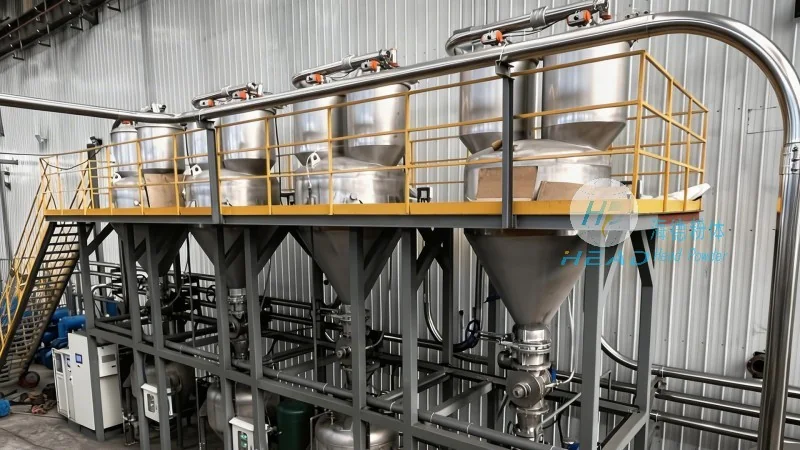
Several methods are commonly employed for calcium nitrite transportation. The most prevalent include mechanical conveying systems like belt conveyors and screw conveyors, which are suitable for short to medium distances and relatively low volumes. However, these systems may face challenges with dust generation and material degradation, especially if the calcium nitrite is prone to caking or has a tendency to create fine particles. Another method is gravity flow, where the material is allowed to move under the influence of gravity through chutes or hoppers. This approach is simple and cost-effective but is limited by the need for appropriate elevation changes and may not be suitable for long distances or vertical lifts.
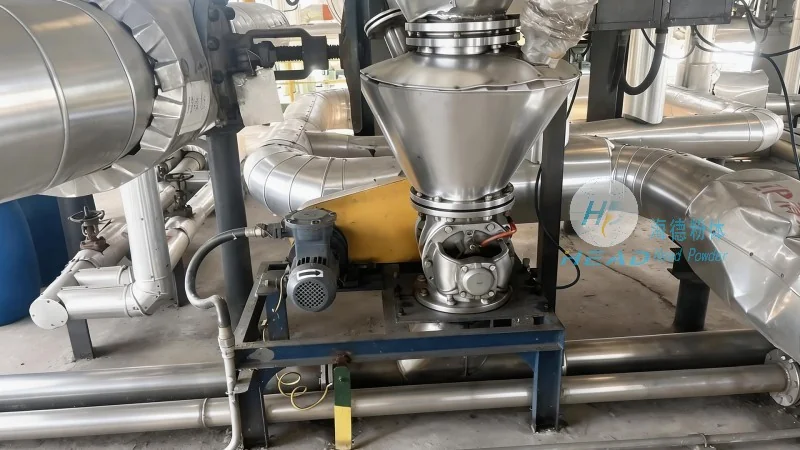
Air-Driven (Pneumatic) Conveying Systems: The Preferred Solution
For many applications, air-driven conveying systems offer superior performance and flexibility. These systems use compressed air to transport calcium nitrite in a closed pipeline, eliminating the need for open chutes and reducing dust exposure. There are two main types of pneumatic conveying: suction (or vacuum) systems and pressure systems. Suction systems draw material from the source using a vacuum, while pressure systems force material through the pipeline using compressed air. Both types are effective for calcium nitrite, but the choice depends on the specific application requirements, such as the distance, volume, and material characteristics.
Advantages of Air-Driven Conveying for Calcium Nitrite
Air-driven conveying systems provide several key advantages for calcium nitrite handling. First, they offer excellent dust control, as the material is contained within a sealed pipeline, preventing dust from escaping into the environment. This is critical for maintaining a safe working environment and complying with environmental regulations. Second, these systems are highly flexible, allowing for changes in the conveying route without major modifications to the infrastructure. This adaptability is particularly valuable in industrial settings where production layouts may change over time. Third, air-driven systems can handle a wide range of material flow rates and distances, from short horizontal runs to long vertical lifts. This versatility makes them suitable for various calcium nitrite applications, including storage, processing, and packaging.
HeadPowder's Expertise in Calcium Nitrite Conveying Solutions
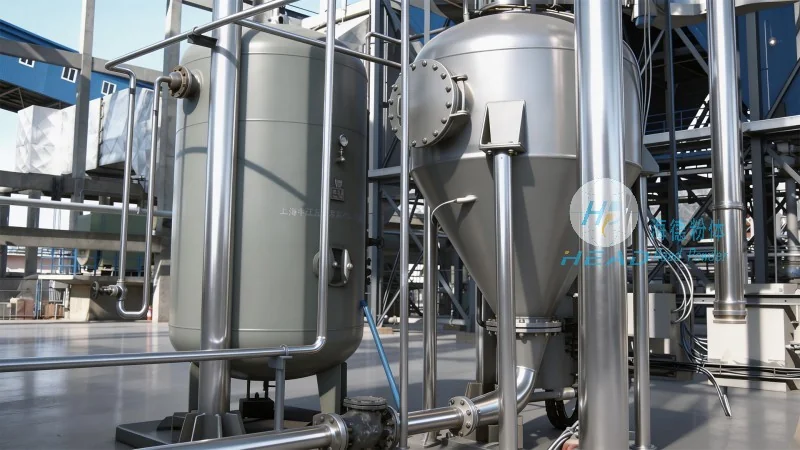
As a leading provider of engineering solutions, Shandong HeadPowder Engineering Co., Ltd., based in Shandong, China, specializes in designing and manufacturing air-driven conveying systems tailored to the specific needs of calcium nitrite applications. With years of experience in the industry, HeadPowder understands the unique challenges associated with handling calcium nitrite, such as its tendency to absorb moisture and form clumps. The company's engineers work closely with clients to assess their operational requirements, material properties, and site conditions to develop customized conveying solutions. HeadPowder's systems are built with high-quality components, ensuring durability, reliability, and compliance with industry standards. The company's commitment to safety and efficiency has made it a trusted partner for many businesses in the calcium nitrite sector.

 Công ty TNHH Kỹ thuật Công trình Bột Hải Đức Sơn Đông
 156-6277-7102(Quản lý Trương)
  0531-83386006
  Quận Chương Khâu, Thành phố Tế Nam, Tỉnh Sơn Đông, Trung Quốc
Điện thoại
WeChatTư vấn
Lên đầu