Công ty Hải Đức Bột với hơn 10 năm kinh nghiệm vận chuyển khí, cung cấp hệ thống‑thiết bị‑quạt gió và nhận dự án tổng thầu bột cả nước
When planning a pneumatic conveying system for asphalt powder, it is crucial to consider several key factors to ensure efficiency, reliability, and cost-effectiveness. A well-designed system not only optimizes material handling but also minimizes operational risks and maintenance costs. This guide outlines the essential steps and considerations for creating a suitable plan, with a focus on the expertise of Shandong HeadPowder Engineering Co., Ltd., a leading provider in the field.
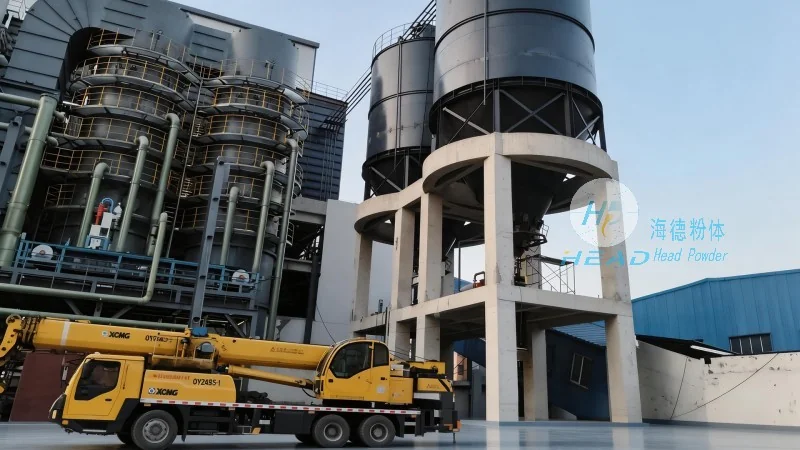
Understanding the Core Requirements of Asphalt Powder Conveying
Before initiating the design process, it is vital to thoroughly analyze the specific characteristics of the asphalt powder and the operational environment. Asphalt powder, with its fine particle size and potential for static electricity, demands a system that can handle these properties effectively. Factors such as the material's bulk density, flowability, and moisture content must be evaluated to determine the appropriate conveying velocity and pressure. Additionally, the distance between the source and destination, as well as the number of transfer points, will influence the system's layout and equipment selection. Shandong HeadPowder Engineering Co., Ltd. emphasizes the importance of conducting a comprehensive material analysis to tailor the system to the unique needs of each project.
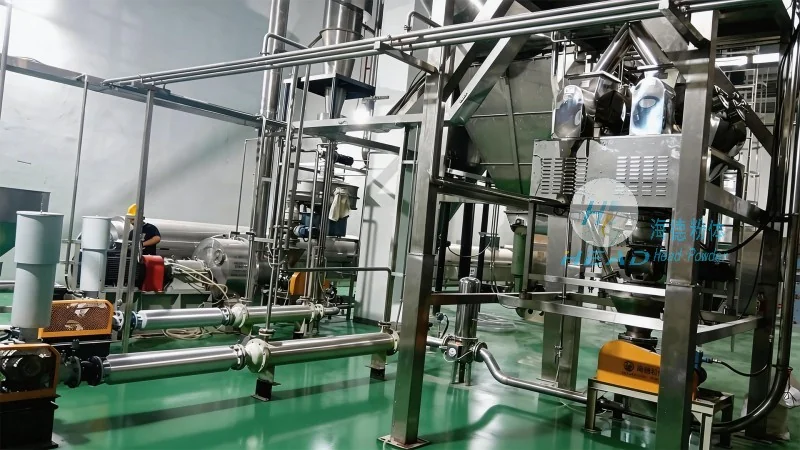
System Layout and Pipeline Design Considerations
The layout of the pneumatic conveying system is a critical component of its overall performance. The design should aim to minimize pressure losses and ensure smooth material flow. Horizontal and vertical runs of the pipeline must be carefully calculated to maintain adequate velocity, typically ranging from 20 to 30 meters per second for fine powders like asphalt. The use of bends, elbows, and expansion joints requires special attention to prevent material buildup and ensure consistent flow. Shandong HeadPowder Engineering Co., Ltd. employs advanced computational fluid dynamics (CFD) tools to simulate pipeline behavior and optimize the layout, ensuring that the system operates within the optimal pressure and velocity parameters.
Selection of Conveying Equipment and Components
Choosing the right equipment is essential for the success of an asphalt powder pneumatic conveying system. The primary components include the material feeders, air movers (blowers or compressors), and the conveying pipeline. For asphalt powder, rotary valves or star feeders are commonly used to provide a controlled and consistent material feed, preventing blockages and ensuring smooth flow. The air mover must be capable of generating sufficient pressure and airflow to overcome the system's resistance and maintain the required conveying velocity. Shandong HeadPowder Engineering Co., Ltd. offers a range of high-efficiency blowers and compressors, designed specifically for handling fine powders, with features such as variable speed control and pressure regulation to adapt to varying material conditions.
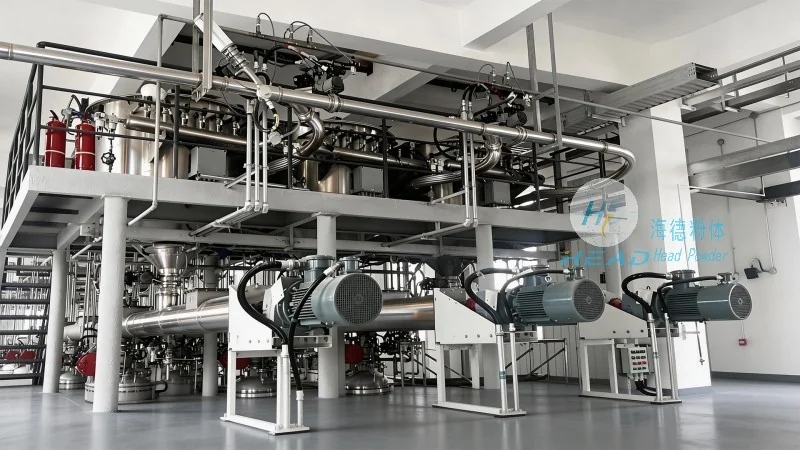
Control and Monitoring Systems for Optimal Operation
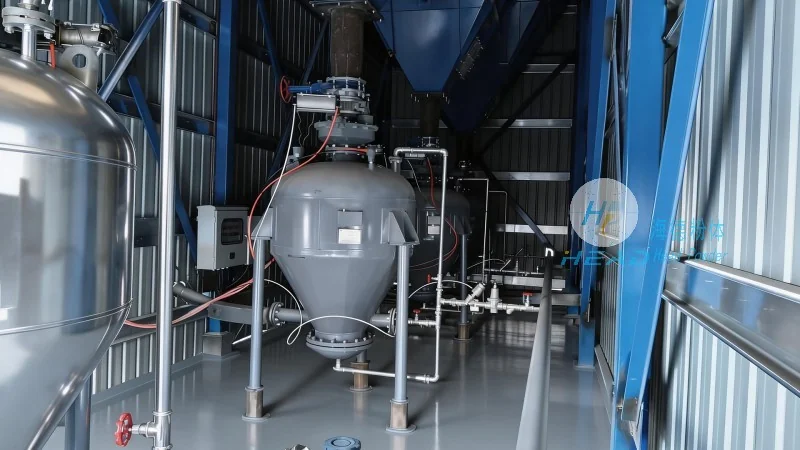
Implementing a robust control and monitoring system is crucial for maintaining the efficiency and safety of the pneumatic conveying system. Automated controls can regulate the feed rate, air pressure, and system speed based on real-time feedback from sensors. These sensors may include pressure transducers, flow meters, and level indicators, which provide data on the system's performance and alert operators to any anomalies. Shandong HeadPowder Engineering Co., Ltd. integrates advanced control systems that allow for remote monitoring and diagnostics, enabling proactive maintenance and reducing downtime. The use of programmable logic controllers (PLCs) and human-machine interfaces (HMIs) ensures that the system operates with precision and can be easily adjusted to accommodate changes in material or operational conditions.
Installation, Commissioning, and Maintenance Guidelines
Proper installation and commissioning are essential to ensure the system operates as designed. Shandong HeadPowder Engineering Co., Ltd. follows strict installation protocols, including thorough cleaning of the pipeline to prevent contamination and ensuring all components are properly aligned and secured. Commissioning involves testing the system under various operating conditions to verify its performance and identify any potential issues. Regular maintenance is also critical to prolong the system's lifespan and maintain its efficiency. This includes routine checks of the air mover, feeders, and pipeline for wear and tear, as well as cleaning and lubrication of moving parts. Shandong HeadPowder Engineering Co., Ltd. provides comprehensive maintenance services and offers training to clients on proper system upkeep, ensuring long-term reliability.

 Công ty TNHH Kỹ thuật Công trình Bột Hải Đức Sơn Đông
 156-6277-7102(Quản lý Trương)
  0531-83386006
  Quận Chương Khâu, Thành phố Tế Nam, Tỉnh Sơn Đông, Trung Quốc
Điện thoại
WeChatTư vấn
Lên đầu