Công ty Hải Đức Bột với hơn 10 năm kinh nghiệm vận chuyển khí, cung cấp hệ thống‑thiết bị‑quạt gió và nhận dự án tổng thầu bột cả nước
When it comes to handling polyolefin materials efficiently and safely, the design of a pneumatic conveying system plays a crucial role. A well-designed system not only ensures optimal material transport but also minimizes operational risks and maintenance costs. This article provides a comprehensive guide on how to design a reasonable polyolefin pneumatic conveying system, focusing on key factors that impact system performance and reliability.
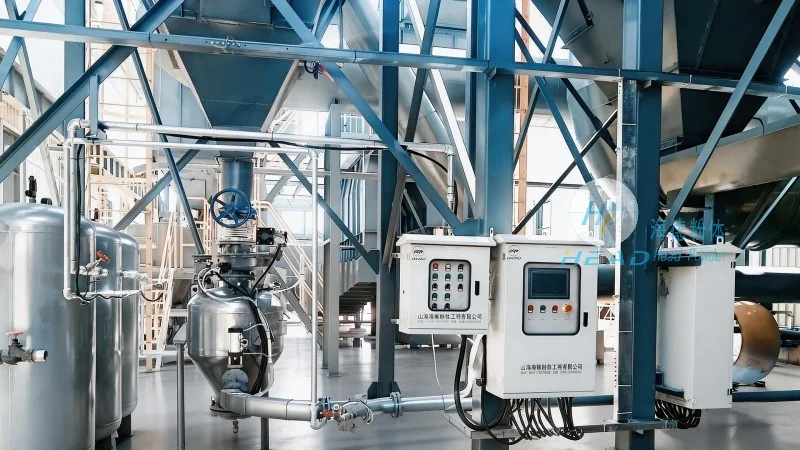
Understanding the Core Requirements for Polyolefin Pneumatic Conveying
Polyolefins, such as polyethylene and polypropylene, are widely used in various industries due to their versatility and cost-effectiveness. However, their handling presents unique challenges, including low bulk density, abrasive properties, and sensitivity to moisture. These characteristics require a specialized approach to pneumatic conveying design. The first step in designing a system is to assess the material properties, including particle size distribution, moisture content, and flowability. This information is critical for selecting the appropriate conveying method and equipment.
Choosing the Right Pneumatic Conveying System Type
There are two primary types of pneumatic conveying systems: suction (or aspirating) and pressure (or blow-through) systems. The choice between these depends on the material characteristics, distance to be conveyed, and system layout. Suction systems are ideal for short distances and low-pressure applications, as they use a vacuum to draw material from the source. Pressure systems, on the other hand, use compressed air to push material through the pipeline, making them suitable for longer distances and higher material loads. For polyolefin applications, a combination of both, known as a mixed system, may be used to balance efficiency and cost. HeadPowder Engineering, a leading provider of engineering solutions, specializes in designing customized systems tailored to specific material and operational needs.
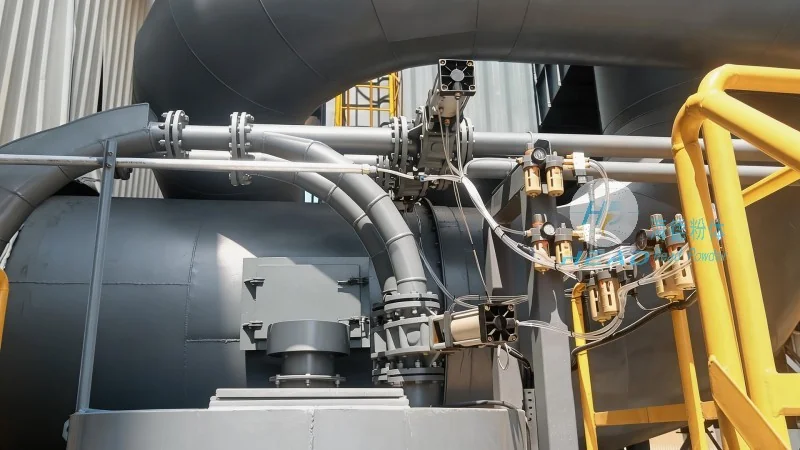
Key Design Elements for Polyolefin Pneumatic Conveying
Several critical design elements must be considered to ensure the success of a polyolefin pneumatic conveying system. These include pipeline design, air source selection, and control mechanisms.
Pipeline Design and Material Selection
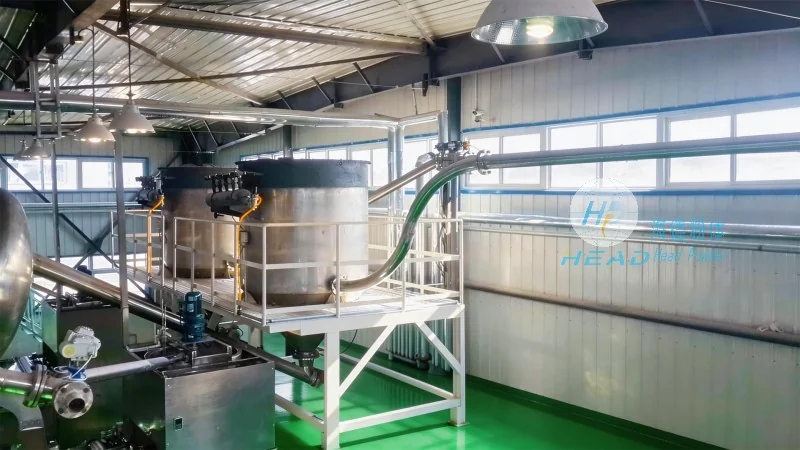
The pipeline is the backbone of any pneumatic conveying system. For polyolefin materials, the pipeline must be constructed from materials that are resistant to abrasion and corrosion. Common choices include stainless steel, aluminum, and specialized plastics like PTFE-coated pipes. The diameter of the pipeline is another important factor, as it affects the velocity of the material and air, which in turn impacts the system's efficiency and energy consumption. HeadPowder Engineering recommends using a pipeline diameter that maintains a material velocity of 20-30 meters per second to prevent material degradation and blockages. Additionally, the number and type of bends in the pipeline should be minimized to reduce pressure losses and maintain material flow.
Air Source and Pressure Control
The air source, typically a centrifugal or positive displacement blower, is responsible for providing the necessary pressure and airflow to move the material. The choice of blower depends on the system's requirements, including pressure, flow rate, and power consumption. For polyolefin systems, a blower with a stable pressure output is essential to maintain consistent material transport. HeadPowder Engineering uses advanced blower selection tools to ensure the air source matches the system's operational demands, optimizing both performance and energy efficiency.
Control and Monitoring Systems
Effective control and monitoring are vital for maintaining system performance and preventing downtime. Modern pneumatic conveying systems incorporate sensors and control panels that monitor pressure, flow rate, and material level. These systems can automatically adjust air pressure and flow rates based on real-time conditions, ensuring optimal operation. HeadPowder Engineering integrates advanced control technologies into its designs, enabling clients to achieve precise material handling and reduce operational costs.
Addressing Common Challenges in Polyolefin Pneumatic Conveying
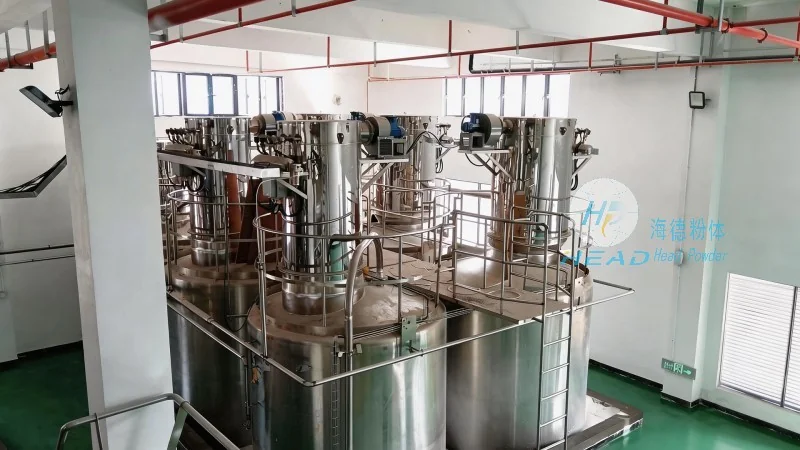
Despite careful design, polyolefin pneumatic conveying systems may encounter challenges such as material buildup, blockages, and air leakage. HeadPowder Engineering addresses these issues through proactive design measures, including the use of pulse-jet cleaning systems for pipelines and regular maintenance schedules. Additionally, the company's expertise in material handling allows for the implementation of solutions that minimize the risk of material degradation, ensuring the integrity of the polyolefin products is maintained throughout the conveying process.
Conclusion: Partnering with HeadPowder Engineering for Reliable Polyolefin Conveying Solutions
Designing a reasonable polyolefin pneumatic conveying system requires a deep understanding of material properties, system dynamics, and operational requirements. By focusing on key design elements such as pipeline design, air source selection, and control mechanisms, and by addressing common challenges proactively, organizations can achieve efficient and reliable material transport. HeadPowder Engineering, with its expertise in engineering and material handling, provides customized solutions that meet the unique needs of polyolefin applications. Based in Shandong, China, HeadPowder Engineering Co., Ltd. combines technical knowledge with practical experience to deliver systems that enhance productivity and reduce costs for clients worldwide.

 Công ty TNHH Kỹ thuật Công trình Bột Hải Đức Sơn Đông
 156-6277-7102(Quản lý Trương)
  0531-83386006
  Quận Chương Khâu, Thành phố Tế Nam, Tỉnh Sơn Đông, Trung Quốc
Điện thoại
WeChatTư vấn
Lên đầu