Công ty Hải Đức Bột với hơn 10 năm kinh nghiệm vận chuyển khí, cung cấp hệ thống‑thiết bị‑quạt gió và nhận dự án tổng thầu bột cả nước
Pharmaceutical powder pneumatic conveying systems are critical for efficient and safe material handling in the pharmaceutical industry. Designing a system that meets both operational efficiency and regulatory compliance standards requires careful consideration of several key factors. This article outlines the essential steps and considerations for creating a well-designed pharmaceutical powder pneumatic conveying system, with a focus on the expertise provided by Shandong HeadPowder Engineering Co., Ltd., a leading company in the field.
Understanding the Core Principles of Pharmaceutical Powder Pneumatic Conveying
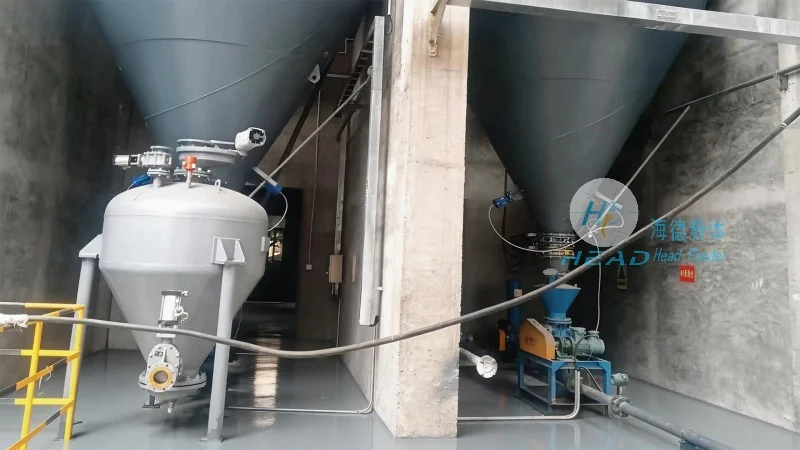
Before diving into the design process, it is crucial to understand the fundamental principles of pneumatic conveying. This technology involves transporting solid particles through a pipeline using a gas stream, typically air or nitrogen. The choice of conveying method—such as dilute phase, dense phase, or hybrid systems—depends on the properties of the powder, including particle size, density, and moisture content. For pharmaceutical powders, which often have sensitive characteristics, selecting the appropriate conveying method is vital to prevent degradation, contamination, or loss of product quality.
Key Design Considerations for Pharmaceutical Powder Systems
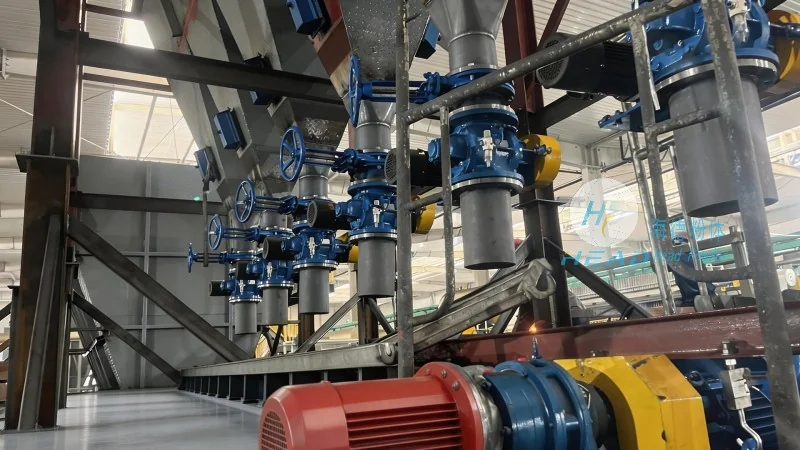
Several critical factors must be addressed during the design phase to ensure the system operates effectively and safely. First, the material properties of the pharmaceutical powder must be thoroughly analyzed. This includes assessing particle size distribution, bulk density, flowability, and hygroscopicity. These properties directly influence the selection of the conveying velocity, pressure, and equipment type. For example, fine powders may require lower conveying velocities to avoid particle segregation or clogging, while cohesive powders might need specialized equipment like rotary valves or airlocks to ensure smooth flow.
Second, the system's layout and integration with existing production lines are essential. The design must consider the source and destination points of the powder, the distance to be covered, and any obstacles or changes in elevation. Proper system layout minimizes pressure drops and reduces energy consumption, which are critical for cost-effectiveness and sustainability. Additionally, the system must be designed to comply with pharmaceutical industry regulations, such as those from the FDA or GMP (Good Manufacturing Practice), which emphasize cleanliness, sterility, and traceability.
Equipment Selection and Integration
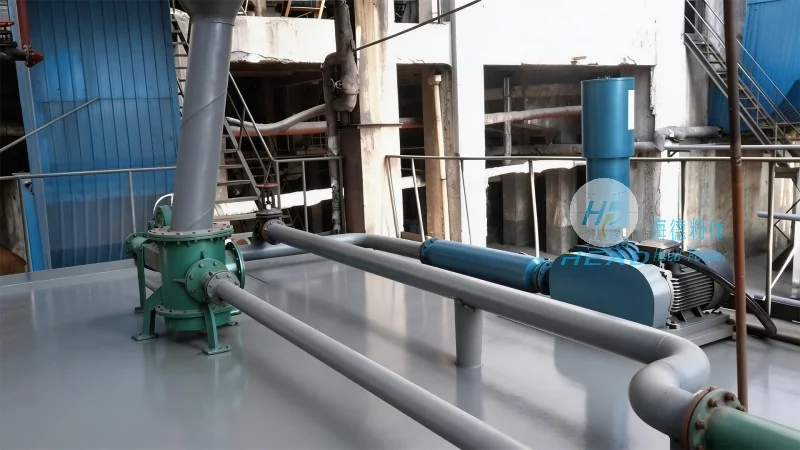
Choosing the right equipment is a pivotal step in designing a successful pharmaceutical powder pneumatic conveying system. The primary components typically include a feeder (e.g., rotary valve or star feeder), a conveying line, a receiver, and a filter system. The feeder is responsible for introducing the powder into the conveying line at a consistent rate, while the conveying line transports the powder to the receiver. The receiver collects the powder and may include a dust collection system to ensure environmental compliance. The filter system, often equipped with HEPA or ULPA filters, prevents the release of airborne particles and maintains a clean environment.
For pharmaceutical applications, the equipment must be made of materials that are compatible with the powder and meet sanitary standards. Stainless steel is commonly used due to its corrosion resistance and ease of cleaning. The design of the equipment must also allow for easy maintenance and cleaning to prevent cross-contamination. For instance, the rotary valve should have a smooth, non-stick surface to prevent powder buildup, and the filter system should be easily accessible for replacement or cleaning.
System Performance and Optimization
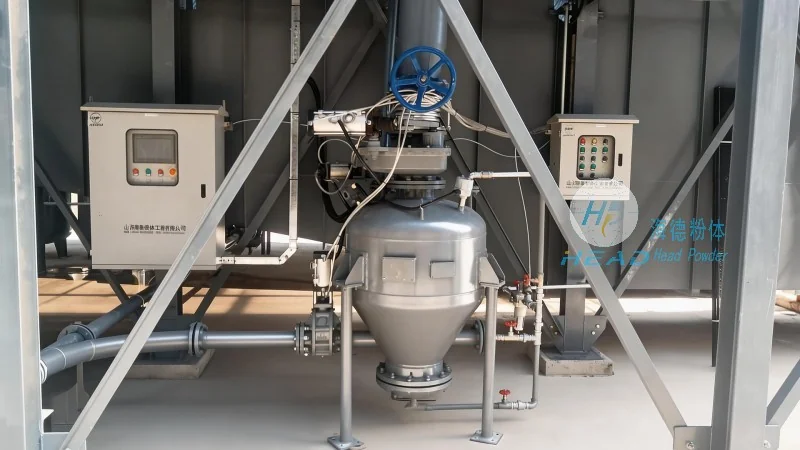
Once the system is installed, performance optimization is key to ensuring long-term efficiency and reliability. This involves monitoring key parameters such as pressure, flow rate, and temperature. Regular maintenance, including cleaning and inspection of components, is essential to prevent system failures and maintain product quality. Additionally, the system should be designed with redundancy features, such as backup pumps or filters, to minimize downtime in case of equipment failure.
Shandong HeadPowder Engineering Co., Ltd. specializes in providing comprehensive solutions for pharmaceutical powder pneumatic conveying systems. The company's team of experts works closely with clients to understand their specific needs and design systems that meet their operational and regulatory requirements. With years of experience in the pharmaceutical industry, HeadPowder offers tailored solutions that enhance productivity, reduce costs, and ensure compliance with industry standards.

 Công ty TNHH Kỹ thuật Công trình Bột Hải Đức Sơn Đông
 156-6277-7102(Quản lý Trương)
  0531-83386006
  Quận Chương Khâu, Thành phố Tế Nam, Tỉnh Sơn Đông, Trung Quốc
Điện thoại
WeChatTư vấn
Lên đầu