Công ty Hải Đức Bột với hơn 10 năm kinh nghiệm vận chuyển khí, cung cấp hệ thống‑thiết bị‑quạt gió và nhận dự án tổng thầu bột cả nước
When designing a pneumatic conveying system for positive electrode materials, it is crucial to consider several key factors to ensure efficiency, reliability, and safety. The process involves selecting appropriate equipment, understanding material properties, and optimizing system parameters to meet production requirements. This article provides a comprehensive guide to designing a reasonable system, focusing on the expertise of Shandong HeadPowder Engineering Co., Ltd., a leading provider in the field.
About Shandong HeadPowder Engineering Co., Ltd.
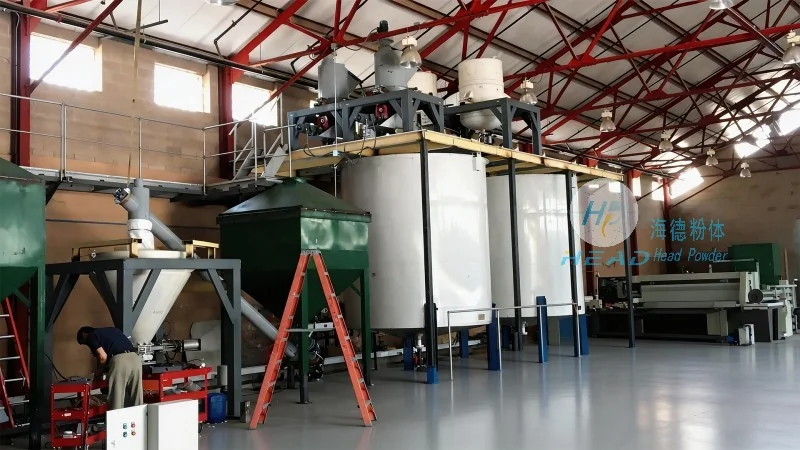
Shandong HeadPowder Engineering Co., Ltd., commonly known as HeadPowder, is a professional engineering company specializing in the design and implementation of material handling systems. With a strong presence in China, particularly in Shandong, the company has extensive experience in handling various powder materials, including those used in lithium-ion battery production. HeadPowder's team of experts leverages advanced technology and industry best practices to deliver customized solutions that meet the specific needs of clients in the battery manufacturing sector.
Key Considerations in System Design
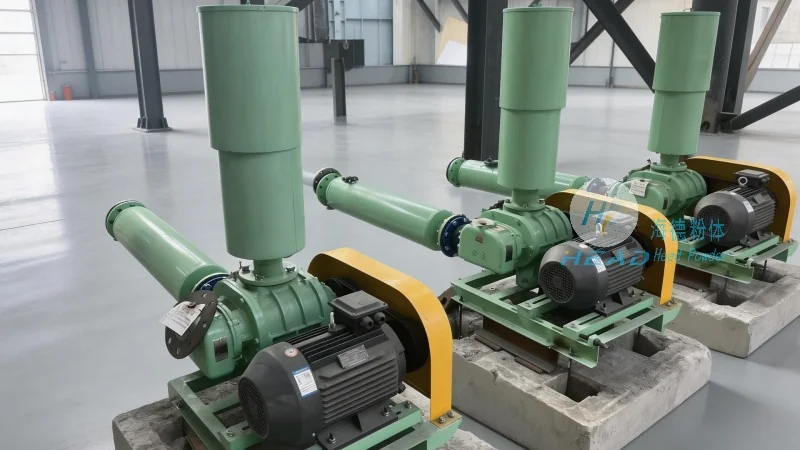
The design of a pneumatic conveying system for positive electrode materials must address several critical aspects to ensure optimal performance. First, the material's physical properties, such as particle size, density, and moisture content, play a significant role in determining the most suitable conveying method. For example, fine powders may require high-pressure or dense-phase conveying to prevent segregation and clogging. Second, the system's capacity and flow rate must be matched to the production line's throughput, ensuring that the conveying process does not become a bottleneck. Third, the choice of equipment, including the type of blower, ductwork, and control systems, is essential for maintaining consistent material flow and minimizing energy consumption. HeadPowder's engineers conduct thorough material analysis and process simulations to select the most appropriate components and configurations.
Core Components of a Pneumatic Conveying System
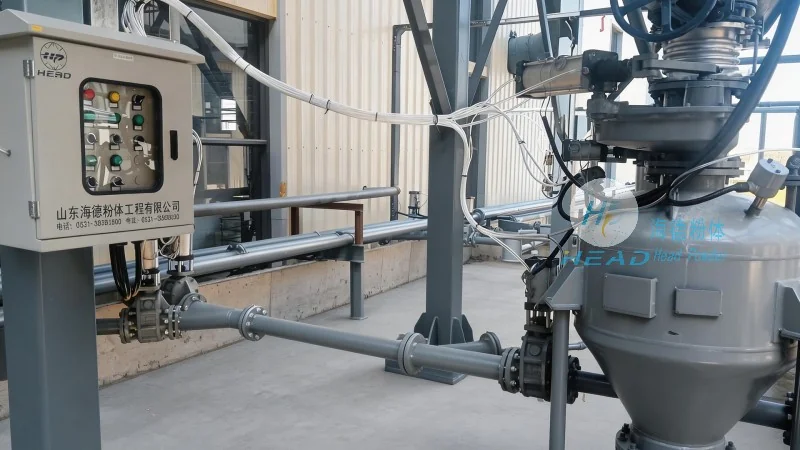
A typical pneumatic conveying system for positive electrode materials consists of several key components. The primary components include a blower or compressor to generate the necessary air pressure, a hopper or feeder to introduce the material into the system, a conveying line (often made of stainless steel or other corrosion-resistant materials) to transport the material, and a receiver or discharge unit to collect the material at the destination. Additional components may include filters, cyclones, and control valves to regulate the flow and maintain system efficiency. The selection of these components is critical, as they directly impact the system's performance, durability, and maintenance requirements. For instance, using high-quality stainless steel for the ductwork can prevent material buildup and corrosion, while advanced control systems enable precise regulation of air flow and pressure.
Optimization and Maintenance Strategies
To ensure the long-term efficiency and reliability of a pneumatic conveying system, regular optimization and maintenance are essential. HeadPowder recommends implementing a preventive maintenance schedule that includes inspections of blower performance, ductwork integrity, and filter cleanliness. Regular cleaning of filters and cyclones is crucial to prevent clogging and maintain airflow. Additionally, monitoring system parameters such as pressure, flow rate, and temperature can help identify potential issues before they lead to system failures. By adhering to these maintenance strategies, clients can extend the lifespan of their equipment and reduce operational costs. HeadPowder provides comprehensive maintenance services and technical support to ensure that systems operate at peak performance.
Conclusion
Designing a reasonable pneumatic conveying system for positive electrode materials requires a thorough understanding of material properties, system requirements, and industry best practices. Shandong HeadPowder Engineering Co., Ltd. offers expert guidance and customized solutions to help clients achieve efficient and reliable material handling. By leveraging advanced technology and experienced engineering, HeadPowder ensures that its systems meet the highest standards of performance and durability. For businesses in the battery manufacturing industry, investing in a well-designed pneumatic conveying system is a critical step toward optimizing production processes and enhancing overall operational efficiency.

 Công ty TNHH Kỹ thuật Công trình Bột Hải Đức Sơn Đông
 156-6277-7102(Quản lý Trương)
  0531-83386006
  Quận Chương Khâu, Thành phố Tế Nam, Tỉnh Sơn Đông, Trung Quốc
Điện thoại
WeChatTư vấn
Lên đầu