Công ty Hải Đức Bột với hơn 10 năm kinh nghiệm vận chuyển khí, cung cấp hệ thống‑thiết bị‑quạt gió và nhận dự án tổng thầu bột cả nước
Light calcium, a key raw material in many industrial applications, requires reliable and efficient transportation methods to ensure smooth production processes. Traditional methods such as belt conveyors or bucket elevators often face challenges like material degradation, high energy consumption, and environmental pollution. This is where gas solid transport, specifically designed for light calcium, emerges as a superior solution. The technology leverages compressed air to transport fine powders like light calcium, offering a clean, low-maintenance, and highly efficient alternative to conventional systems.
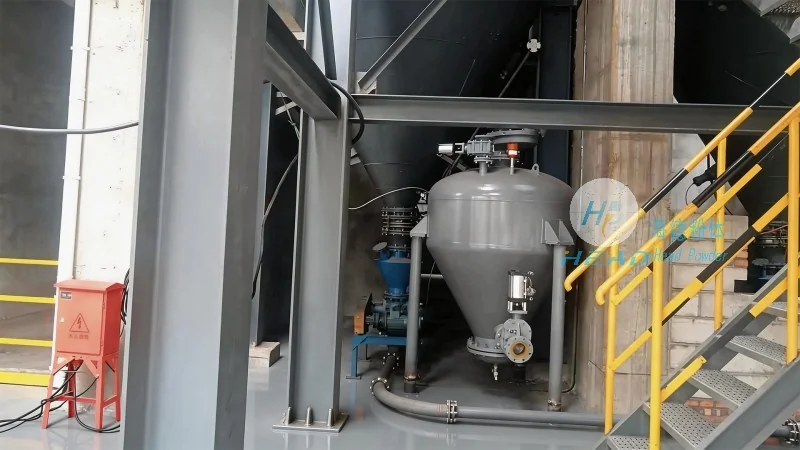
How Gas Solid Transport Works for Light Calcium
The gas solid transport system operates by injecting compressed air into a pipeline, creating a pneumatic flow that carries the light calcium particles. The process is based on the principle of fluidization, where the air flow ensures the powder remains suspended and moves through the pipeline without clogging. This method is particularly effective for light calcium, which is a fine powder with low bulk density. The system typically includes components like air compressors, transport pipelines, and dust collection units, all designed to handle the specific characteristics of light calcium, such as its light weight and potential for dust generation.
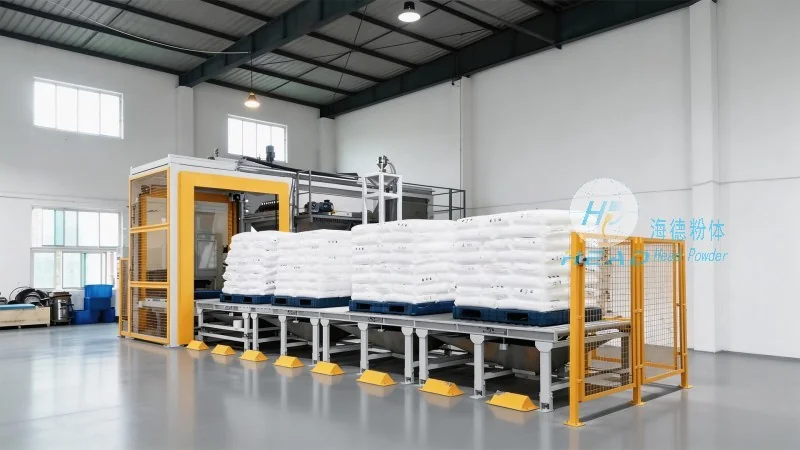
Key Advantages of Light Calcium Gas Solid Transport
Compared to traditional transport methods, gas solid transport offers several significant advantages for light calcium handling. First, it is highly efficient in terms of energy consumption. By using compressed air, the system minimizes the need for mechanical parts that require constant maintenance, reducing operational costs. Second, it is environmentally friendly. The enclosed pipeline system prevents dust from escaping into the environment, complying with stringent environmental regulations. Third, it ensures product quality by preventing contamination and degradation during transport. Light calcium is a sensitive material, and the gentle pneumatic flow preserves its particle size and purity, which is crucial for downstream applications like papermaking, construction, and chemical processing. Additionally, the system is flexible and can be easily integrated into existing production lines, allowing for seamless upgrades without major disruptions.
Environmental Benefits and Compliance
Environmental sustainability is a critical factor in modern industrial operations, and gas solid transport for light calcium excels in this area. The enclosed pipeline design effectively contains dust and particulate matter, preventing air pollution and protecting the surrounding environment. This is especially important in regions with strict environmental standards, where traditional open-air transport methods may not meet regulatory requirements. The system also reduces the need for water or other cleaning agents, as the pneumatic flow naturally cleans the pipeline, minimizing waste generation. For companies operating in compliance-sensitive industries, this solution provides a reliable way to maintain environmental standards while optimizing material handling efficiency.
Operational Efficiency and Cost Savings
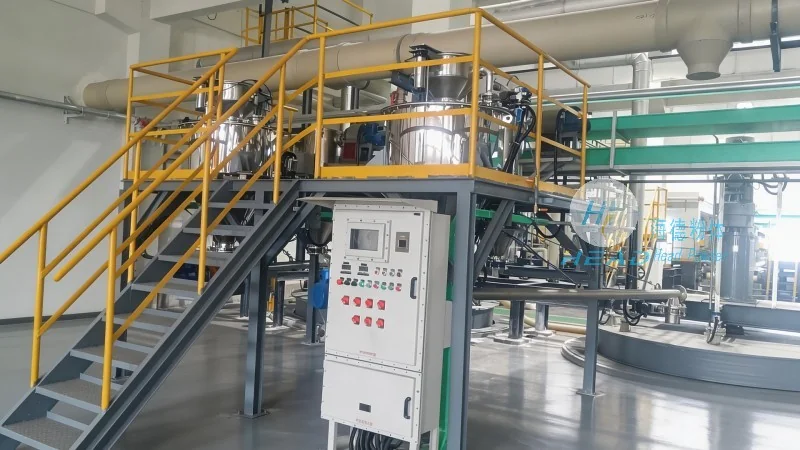
From an operational perspective, gas solid transport offers substantial benefits that translate into cost savings for businesses. The system’s low maintenance requirements reduce downtime and repair costs. Unlike belt conveyors, which may require frequent cleaning and replacement of components due to material buildup, the pneumatic system is self-cleaning, with the air flow continuously removing particles from the pipeline walls. This reduces the need for manual intervention and extends the lifespan of the equipment. Furthermore, the energy efficiency of the system leads to lower electricity bills, contributing to overall operational cost reductions. The flexibility of the system also allows for easy adjustments to production volumes, enabling companies to scale operations up or down as needed without significant investment in new infrastructure. This adaptability is particularly valuable in industries with fluctuating demand, such as construction and paper manufacturing, where material transport needs can vary seasonally or based on project cycles.
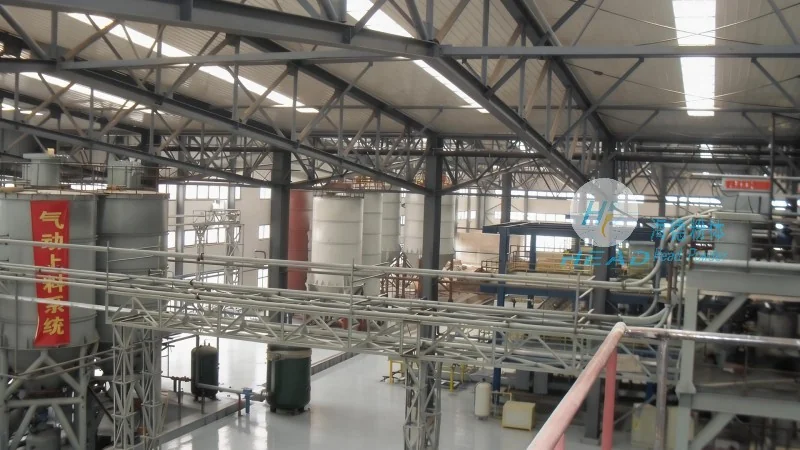
Application Examples in Light Calcium Processing
Gas solid transport is widely used in various stages of light calcium processing, from raw material handling to finished product distribution. In a typical paper mill, for example, light calcium is transported from storage silos to the papermaking machine using a gas solid system. The fine powder is efficiently moved through the pipeline, ensuring a consistent supply to the production line. In construction material manufacturing, light calcium is used as a filler in cement and plaster, and the transport system delivers it to mixing plants with minimal loss and contamination. The system’s ability to handle fine powders without clogging makes it ideal for these applications, where product quality is paramount. Additionally, in chemical processing facilities, light calcium is used as a raw material in the production of calcium carbonate products, and the gas solid transport ensures a clean and efficient supply chain. These examples illustrate how the technology enhances productivity and product quality across different industrial sectors.
Choosing the Right Gas Solid Transport System for Light Calcium
When selecting a gas solid transport system for light calcium, several factors must be considered to ensure optimal performance. The first is the material characteristics of light calcium, including its particle size, bulk density, and moisture content. These properties affect the air flow requirements and the design of the transport pipeline. The second is the distance and layout of the transport route, as the system’s efficiency can be impacted by long distances or complex pipe configurations. The third is the environmental regulations in the operating region, as compliance with dust emission standards may require additional filtration or containment measures. Companies should also consider the scalability of the system, ensuring it can accommodate future production increases without major modifications. Consulting with experienced manufacturers, such as Shandong HeadPowder Engineering Co., Ltd., can provide valuable insights into the best system design for specific light calcium handling needs. The company, with its expertise in pneumatic transport technology, offers customized solutions that address the unique challenges of light calcium processing, ensuring efficient and reliable material transport.

 Công ty TNHH Kỹ thuật Công trình Bột Hải Đức Sơn Đông
 156-6277-7102(Quản lý Trương)
  0531-83386006
  Quận Chương Khâu, Thành phố Tế Nam, Tỉnh Sơn Đông, Trung Quốc
Điện thoại
WeChatTư vấn
Lên đầu