Công ty Hải Đức Bột với hơn 10 năm kinh nghiệm vận chuyển khí, cung cấp hệ thống‑thiết bị‑quạt gió và nhận dự án tổng thầu bột cả nước
Rubber powder pneumatic conveying is a modern and advanced method for transporting rubber powder materials. This technology offers significant advantages over traditional mechanical conveying systems, particularly in terms of efficiency, environmental impact, and operational flexibility. By utilizing air as the primary conveying medium, the process minimizes the need for physical contact between the material and machinery, reducing wear and tear while enhancing safety and hygiene. The environmental benefits are substantial, as pneumatic conveying systems can significantly lower dust emissions and reduce the risk of material contamination compared to other methods.
Key Advantages of Pneumatic Conveying for Rubber Powder
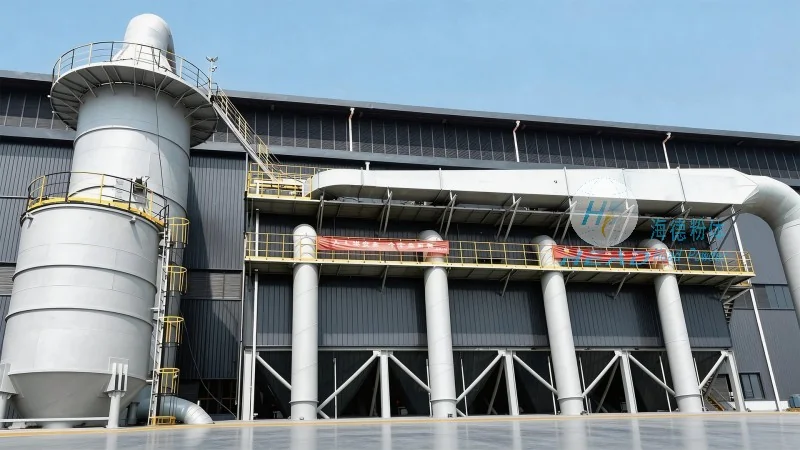
One of the most notable benefits of pneumatic conveying for rubber powder is its high efficiency in material transport. The system can handle large volumes of rubber powder with minimal energy consumption, making it an economical choice for industrial applications. Additionally, the technology is highly versatile, capable of conveying rubber powder over long distances and varying heights without the need for complex infrastructure. Environmentally, pneumatic conveying systems are superior to traditional methods, as they effectively contain dust and reduce air pollution. This not only improves workplace safety but also aligns with modern sustainability goals, making it an attractive solution for environmentally conscious industries.
How Pneumatic Conveying Works
The pneumatic conveying system for rubber powder operates by using a blower or compressor to generate airflow. The rubber powder is then introduced into the system, typically through a hopper or feeder, and is carried by the air stream to the destination point, such as a storage silo or processing unit. The system can be designed as either a positive pressure or negative pressure system, depending on the specific application and material characteristics. Positive pressure systems push the air and material through the pipeline, while negative pressure systems draw the material into the system using a vacuum. The choice of system depends on factors like the distance of transport, the amount of material to be conveyed, and the need for dust control.
Applications in the Rubber Industry
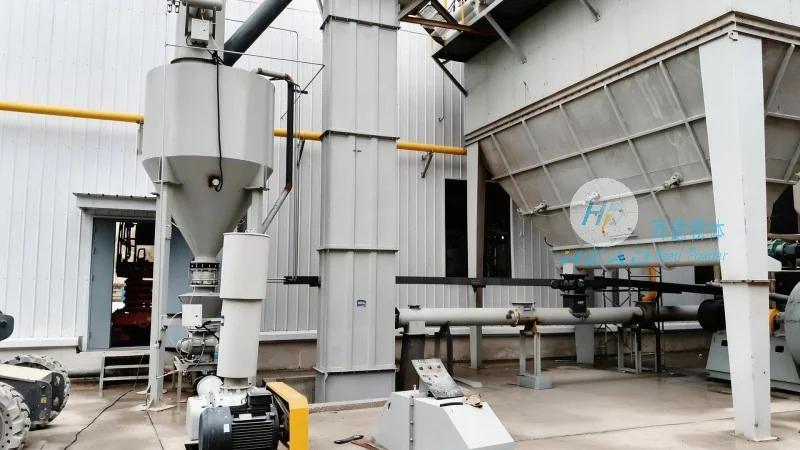
Rubber powder pneumatic conveying is widely used in various stages of the rubber manufacturing process. In tire production, for example, rubber powder is often used as a filler or reinforcement material. The pneumatic conveying system ensures that the rubber powder is delivered to the mixing plant in a clean and controlled manner, maintaining the quality of the final product. Similarly, in the production of rubber compounds and adhesives, the efficient transport of rubber powder is crucial for consistent product quality. The technology is also applicable in recycling operations, where rubber powder is recovered from waste tires and conveyed to processing facilities for reutilization. This not only supports sustainability efforts but also provides a cost-effective source of raw material.
Environmental and Safety Benefits
Environmental considerations are a major driver for adopting pneumatic conveying systems in the rubber industry. Traditional mechanical conveying methods, such as screw conveyors or belt conveyors, can generate significant dust and noise, posing health risks to workers and contributing to air pollution. Pneumatic conveying, on the other hand, is enclosed, reducing dust emissions and noise levels. The system also minimizes material spillage and contamination, which is essential for maintaining product purity. From a safety perspective, the enclosed design reduces the risk of fire or explosion, as rubber powder is a combustible material. The use of air as the conveying medium eliminates the need for physical contact, reducing the risk of mechanical damage to the material and equipment.
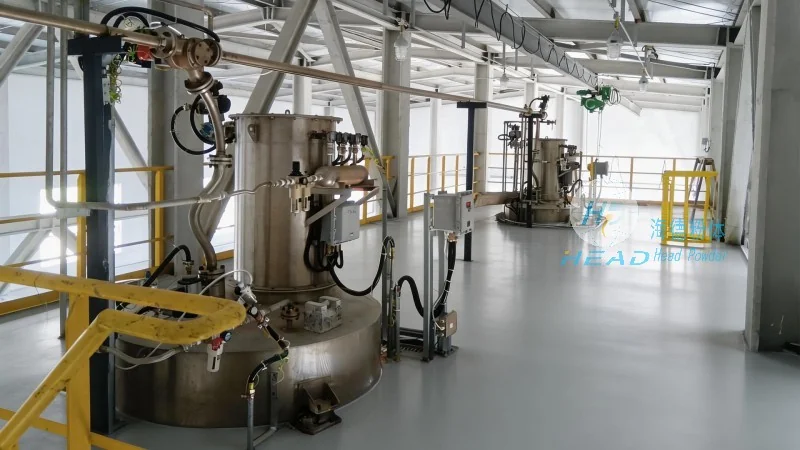
Customization and Scalability
Shandong HeadPowder Engineering Co., Ltd. specializes in designing and manufacturing customized pneumatic conveying systems tailored to the specific needs of rubber powder applications. The company, commonly known as headpowder, offers a range of solutions from small-scale systems for laboratory use to large-scale industrial systems capable of handling thousands of tons of rubber powder per day. The systems can be integrated with existing production lines or designed as standalone units, depending on the client's requirements. Scalability is a key feature, allowing the system to grow with the client's production needs. The company's expertise in material handling and pneumatic technology ensures that each system is optimized for efficiency, reliability, and cost-effectiveness.
Conclusion
Rubber powder pneumatic conveying represents a significant advancement in material handling technology, offering a combination of efficiency, environmental friendliness, and operational flexibility. By leveraging air as the primary conveying medium, the system addresses the challenges associated with traditional methods, providing a sustainable solution for the rubber industry. Shandong HeadPowder Engineering Co., Ltd., with its commitment to quality and innovation, plays a crucial role in providing these advanced systems to clients worldwide. The adoption of pneumatic conveying not only improves the efficiency of rubber powder transport but also supports broader sustainability goals, making it a valuable investment for any industry involved in rubber processing.

 Công ty TNHH Kỹ thuật Công trình Bột Hải Đức Sơn Đông
 156-6277-7102(Quản lý Trương)
  0531-83386006
  Quận Chương Khâu, Thành phố Tế Nam, Tỉnh Sơn Đông, Trung Quốc
Điện thoại
WeChatTư vấn
Lên đầu