Công ty Hải Đức Bột với hơn 10 năm kinh nghiệm vận chuyển khí, cung cấp hệ thống‑thiết bị‑quạt gió và nhận dự án tổng thầu bột cả nước
When it comes to managing silica fume in industrial applications, selecting the appropriate pneumatic conveying system is crucial for efficiency, safety, and cost-effectiveness. Silica fume, a byproduct of cement production, is known for its fine particle size and high reactivity, making traditional bulk handling methods less suitable. This article provides a comprehensive guide to help you choose the right pneumatic conveying system tailored to your silica fume handling process, with insights from industry experts at Shandong HeadPowder Engineering Co., Ltd., a leading provider based in Shandong, China.
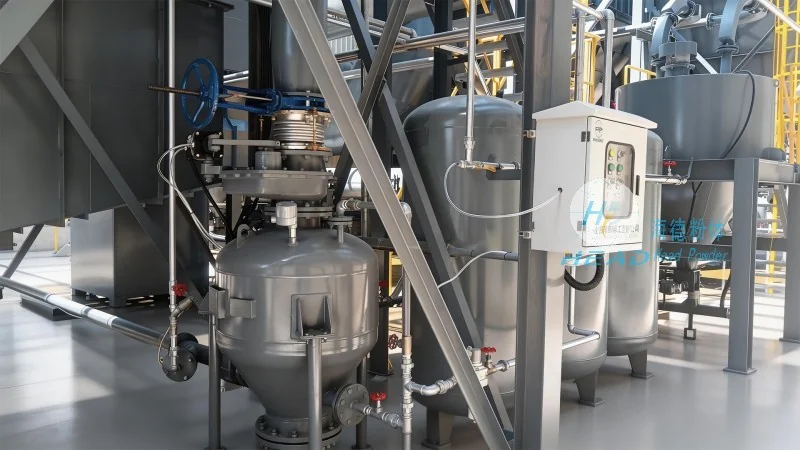
Understanding Silica Fume and Its Handling Challenges
Silica fume, also known as microsilica, is a fine powder composed of amorphous silicon dioxide. Its characteristics—such as high density, low bulk density, and tendency to agglomerate—pose unique challenges during transportation. Conventional methods like belt conveyors or bucket elevators may struggle with dust generation, material segregation, and equipment wear. Pneumatic conveying systems offer a solution by using air to transport the material, minimizing contact with equipment and reducing the risk of contamination.
Key Factors to Consider When Choosing a Pneumatic Conveying System
Several critical factors must be evaluated when selecting a pneumatic conveying system for silica fume. The first is the material's physical properties, including particle size distribution, moisture content, and flowability. Silica fume's fine particles require systems designed to handle low bulk densities and prevent blockages. Second, the system's capacity and flow rate must align with production needs. For example, a high-volume plant may require a positive pressure system with larger ducts and higher air velocities, while a smaller operation might benefit from a negative pressure system with lower energy consumption. Third, the distance and layout of the conveying route are important considerations. Horizontal, vertical, or mixed routes will influence the choice between dilute phase (high velocity, low pressure drop) and dense phase (low velocity, high pressure drop) systems. Finally, operational costs, including energy consumption, maintenance requirements, and equipment lifespan, should be weighed against the system's initial investment.
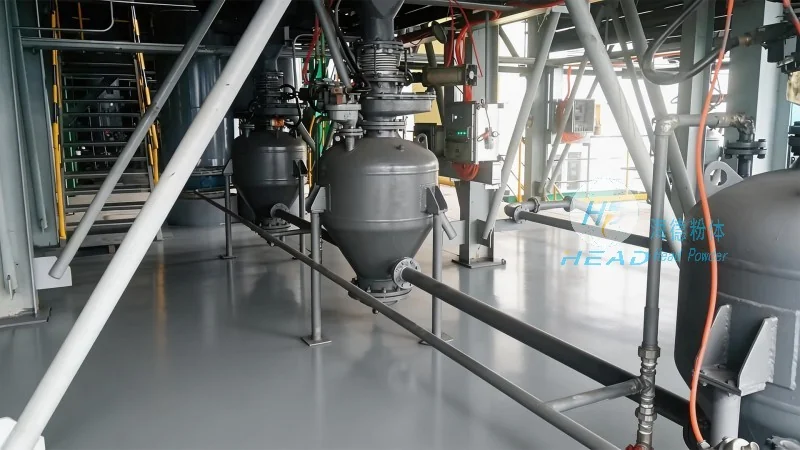
Types of Pneumatic Conveying Systems for Silica Fume
There are primarily two types of pneumatic conveying systems used for silica fume: dilute phase and dense phase. Dilute phase systems operate at high air velocities (typically 20-30 m/s) and low pressure drops, suitable for short to medium distances (up to 100 meters). They are efficient for high-volume applications but may generate more dust and require more energy. Dense phase systems, on the other hand, operate at low air velocities (5-10 m/s) and high pressure drops, ideal for longer distances (up to 500 meters) and sensitive materials. They minimize material degradation and dust emissions, making them suitable for applications where product purity is critical. Shandong HeadPowder Engineering Co., Ltd. offers both system types, allowing customers to choose based on their specific requirements.
Design Considerations for Silica Fume Pneumatic Conveying
The design of a pneumatic conveying system for silica fume must address several technical aspects. First, the material's abrasiveness and corrosiveness require equipment made from durable materials, such as stainless steel or special alloys, to prevent wear and extend lifespan. Silica fume's fine particles can cause erosion in ducts and valves, so selecting components with smooth surfaces and proper sealing is essential. Second, the system's air filtration and dust collection are critical for maintaining air quality and complying with environmental regulations. Silica fume is a fine powder that can easily become airborne, so effective filtration systems are necessary to prevent dust emissions. Third, the system's control and monitoring features are important for ensuring smooth operation and detecting issues early. Modern systems often include sensors for pressure, flow, and temperature, allowing for real-time adjustments and troubleshooting.
Case Studies and Real-World Applications
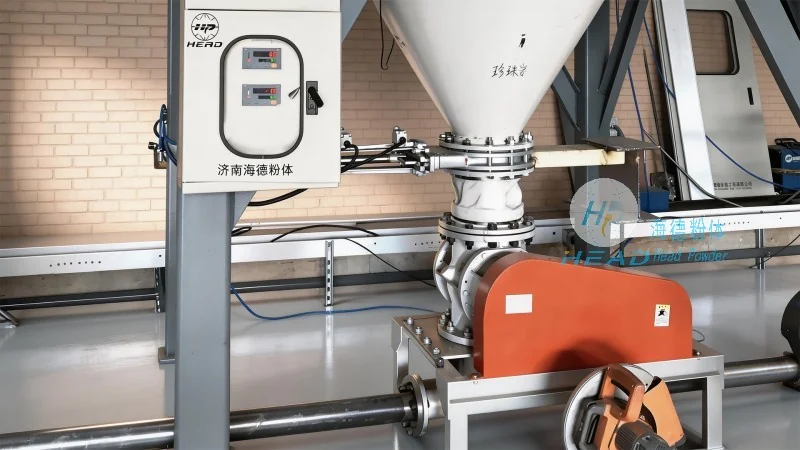
Shandong HeadPowder Engineering Co., Ltd. has successfully implemented pneumatic conveying systems for silica fume in various industrial settings. For example, a cement plant in Shandong, China, upgraded its silica fume handling system to a dilute phase system, reducing material handling costs by 30% and improving overall efficiency. Another client, a concrete additive manufacturer, opted for a dense phase system to transport silica fume over long distances without compromising product quality. These case studies highlight the effectiveness of properly designed pneumatic conveying systems in enhancing operational performance and reducing costs.
Conclusion and Recommendations
Selecting the right pneumatic conveying system for your silica fume handling process requires careful consideration of material properties, operational requirements, and cost factors. By understanding the differences between dilute and dense phase systems and evaluating key design considerations, you can choose a system that meets your needs while ensuring efficiency and safety. Shandong HeadPowder Engineering Co., Ltd., with its expertise and experience in the field, can provide tailored solutions to help you optimize your silica fume handling process. Whether you need a high-capacity system for a large-scale plant or a compact system for a smaller operation, their team of engineers can design and implement a solution that delivers long-term benefits.

 Công ty TNHH Kỹ thuật Công trình Bột Hải Đức Sơn Đông
 156-6277-7102(Quản lý Trương)
  0531-83386006
  Quận Chương Khâu, Thành phố Tế Nam, Tỉnh Sơn Đông, Trung Quốc
Điện thoại
WeChatTư vấn
Lên đầu