Công ty Hải Đức Bột với hơn 10 năm kinh nghiệm vận chuyển khí, cung cấp hệ thống‑thiết bị‑quạt gió và nhận dự án tổng thầu bột cả nước
When it comes to managing magnesia handling processes, selecting the appropriate pneumatic conveying system is a critical decision that impacts operational efficiency, material integrity, and overall system reliability. For industries relying on magnesia for various applications—from refractory materials to chemical processes—the right system ensures smooth material transport while minimizing downtime and maintenance costs. This guide explores key factors to consider when choosing a pneumatic conveying system tailored to magnesia handling, with insights from industry experts at HeadPowder, a leading provider of specialized material handling solutions.
Understanding Magnesia Handling Challenges
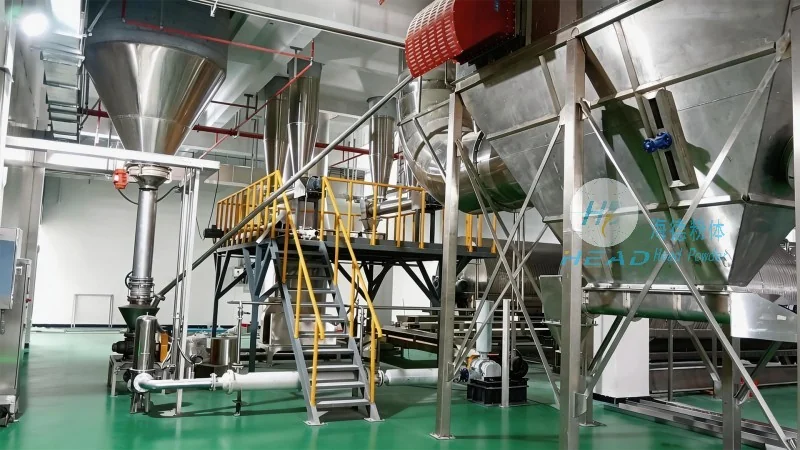
Magnesia, a key component in many industrial applications, presents unique challenges during transport. Its fine particle size, abrasive nature, and tendency to generate dust require specialized equipment to maintain material quality and system performance. Traditional bulk handling methods may struggle with these characteristics, leading to issues such as clogging, material degradation, and increased maintenance requirements. Pneumatic conveying systems offer a solution by using air to transport material through a sealed pipeline, reducing exposure to the environment and minimizing contamination risks.
Key Factors in Selecting a Pneumatic Conveying System
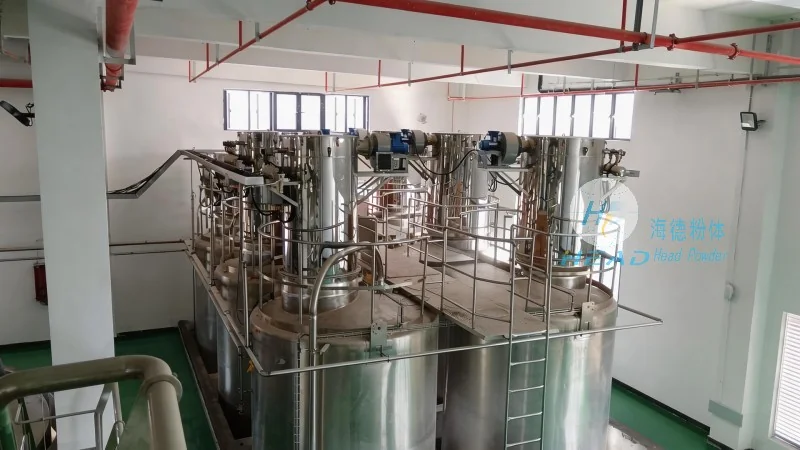
Choosing the right pneumatic conveying system for magnesia handling involves evaluating several critical factors. The first consideration is the system type: positive pressure, negative pressure, or a combination of both. Positive pressure systems, where air is forced into the system, are ideal for long-distance or high-capacity applications, as they maintain consistent pressure and flow. Negative pressure systems, on the other hand, use suction to draw material into the system, which is suitable for short-distance or low-volume transport. The choice depends on the specific layout of the handling process, including the distance between the source and destination, and the volume of material to be moved.
Another crucial factor is the material’s physical properties. Magnesia particles vary in size, density, and moisture content, which affect how they behave in a conveying system. For example, finer particles may require higher air velocities to prevent settling or clogging, while larger or denser particles might need a different system design to ensure efficient transport. HeadPowder engineers analyze these properties to recommend systems with appropriate air flow rates and pipeline diameters, ensuring optimal performance and minimal wear on components.
System Design and Components for Magnesia Handling
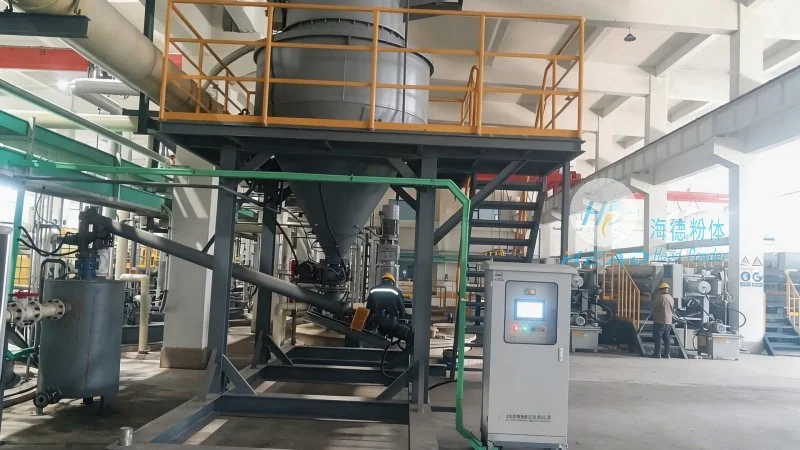
The design of a pneumatic conveying system for magnesia must address the material’s abrasive nature and potential for dust generation. High-quality components, such as stainless steel or specialized alloys, are used to withstand the wear and tear caused by magnesia particles. The system typically includes a hopper for material storage, a feeder to control the flow rate, a conveying line with appropriate diameter and length, and a receiver to collect the material at the destination. HeadPowder’s expertise lies in customizing these components to meet the specific needs of each magnesia handling application, ensuring durability and long-term reliability.
Feeder selection is another critical aspect, as it directly impacts the system’s efficiency. Screw feeders, rotary valves, or pneumatic feeders are commonly used, each with its own advantages depending on the material’s flow characteristics. For magnesia, which can be cohesive or prone to bridging, a feeder that provides consistent and controlled material discharge is essential to prevent blockages and maintain steady air flow. HeadPowder’s engineers work closely with clients to select the most suitable feeder type, considering factors such as material moisture content, particle size distribution, and system pressure.
Benefits of Choosing the Right Pneumatic Conveying System
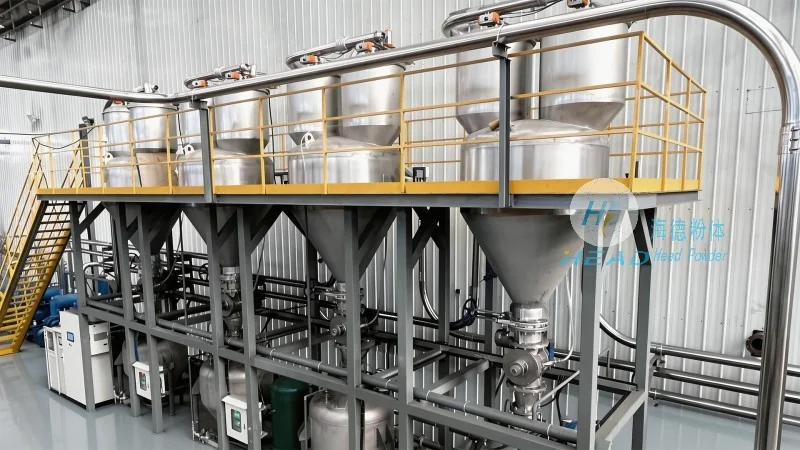
Implementing the right pneumatic conveying system for magnesia handling offers numerous benefits. First, it enhances operational efficiency by reducing downtime caused by clogging or material degradation. By maintaining a consistent flow of material, the system minimizes interruptions in production, leading to increased productivity. Second, it improves material quality by reducing exposure to the environment and minimizing contamination. This is particularly important for magnesia used in high-purity applications, such as refractory production, where even small amounts of impurities can affect product performance.
Third, the right system reduces maintenance costs by using durable components and minimizing wear. HeadPowder’s systems are designed with long-lasting parts, reducing the frequency of repairs and replacements. Additionally, the sealed nature of pneumatic conveying systems prevents dust from escaping into the environment, improving workplace safety and compliance with environmental regulations. These benefits make investing in a well-designed pneumatic conveying system a wise decision for any magnesia handling operation.
Conclusion and Next Steps
Selecting the appropriate pneumatic conveying system for magnesia handling is a strategic decision that requires careful consideration of material properties, system layout, and operational goals. By working with experienced providers like HeadPowder, industries can ensure they choose a system that meets their specific needs, enhances efficiency, and delivers long-term value. HeadPowder, based in Shandong, China, specializes in customizing pneumatic conveying solutions for magnesia and other challenging materials, leveraging years of expertise to deliver reliable and effective systems for their clients.

 Công ty TNHH Kỹ thuật Công trình Bột Hải Đức Sơn Đông
 156-6277-7102(Quản lý Trương)
  0531-83386006
  Quận Chương Khâu, Thành phố Tế Nam, Tỉnh Sơn Đông, Trung Quốc
Điện thoại
WeChatTư vấn
Lên đầu