Công ty Hải Đức Bột với hơn 10 năm kinh nghiệm vận chuyển khí, cung cấp hệ thống‑thiết bị‑quạt gió và nhận dự án tổng thầu bột cả nước
When it comes to managing aggregate materials in industrial applications, selecting the appropriate pneumatic conveying system is a critical decision that impacts operational efficiency, material quality, and overall process reliability. The right system ensures smooth material transfer from storage to processing or packaging areas, minimizing downtime and reducing the risk of material degradation. For businesses in the construction, mining, and manufacturing sectors, understanding the key factors that influence system selection is essential for optimizing their aggregate handling operations.
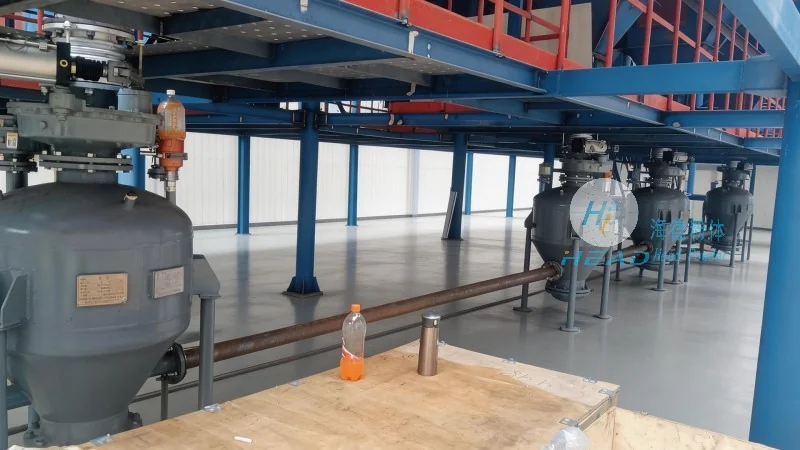
Understanding the Core Requirements of Your Aggregate Handling Process
Before diving into system options, it's crucial to assess the specific demands of your aggregate handling workflow. This involves evaluating several key parameters that will guide the selection of a suitable pneumatic conveying system. First, consider the type and characteristics of the aggregate materials being handled. Different materials, such as sand, gravel, or crushed stone, have varying particle sizes, densities, and flow properties, which directly affect the system's design and performance. For instance, cohesive or sticky materials may require specialized equipment like rotary valves or airlocks to prevent blockages and ensure consistent flow. Additionally, the volume of material to be transported per hour or per shift is a critical factor. High-volume applications may necessitate larger duct sizes, higher air pressure, or multiple conveying lines to maintain throughput. The distance between the material source and the destination also plays a significant role. Short-distance transfers might allow for lower air pressure systems, while long-distance conveying could require higher pressure or more complex system configurations, such as dilute-phase or dense-phase conveying methods.
Key Factors to Evaluate When Selecting a Pneumatic Conveying System
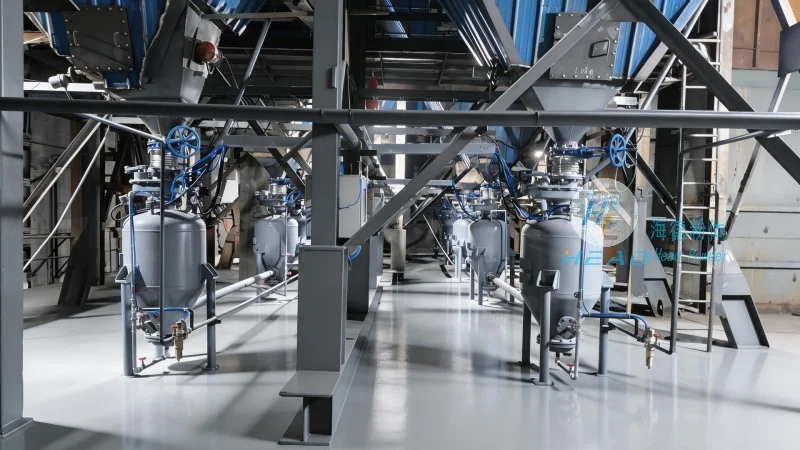
Once the operational requirements are clarified, several key factors should be evaluated to narrow down the system options. The first consideration is the conveying method itself. Pneumatic conveying systems are broadly categorized into two main types: dilute-phase and dense-phase. Dilute-phase systems use low air pressure and high air-to-material ratios, where material particles are suspended in the air stream, typically at velocities above 20 meters per second. This method is ideal for short-distance, low-volume applications and is commonly used for transporting powders or fine particles. Dense-phase systems, on the other hand, operate at higher air pressure and lower air-to-material ratios, where material is conveyed in a plug or slurry form, with particles moving in a more compact manner. Dense-phase systems are better suited for longer distances, higher volumes, and materials that are prone to segregation or degradation under high-velocity air flow. The choice between these methods depends on the specific material characteristics and the distance of the transfer.
Another critical factor is the system's air handling capacity. The air compressor and associated components must be capable of delivering sufficient airflow and pressure to meet the conveying demands. Overly small air compressors can lead to insufficient material transport, causing bottlenecks and reduced productivity. Conversely, an oversized system may result in unnecessary energy consumption and higher operational costs. It's essential to calculate the required air volume and pressure based on the material's specific gravity, particle size distribution, and the system's design parameters. For example, materials with higher specific gravity or larger particle sizes will require more air pressure to achieve the desired conveying velocity.
Material Handling Considerations and Equipment Integration
Equipment selection and integration are vital for ensuring the pneumatic conveying system operates efficiently and safely. The system's components, including hoppers, feeders, and conveying lines, must be designed to handle the specific aggregate characteristics without causing material degradation or system blockages. For instance, rotary valves or star feeders are commonly used to control the flow of bulk materials into the conveying line, preventing surges and maintaining a consistent feed rate. The conveying lines themselves should be constructed from materials that are compatible with the aggregate, such as stainless steel or high-grade plastic, to prevent corrosion or material contamination. Additionally, the system should include appropriate filtration and dust collection equipment to comply with environmental regulations and maintain a clean working environment. For businesses in the aggregate industry, the integration of the pneumatic conveying system with existing equipment, such as silos, mixers, or packaging machines, is crucial for seamless workflow. Proper alignment and coordination between these components can minimize material handling errors and improve overall process efficiency.
Energy Efficiency and Maintenance Requirements
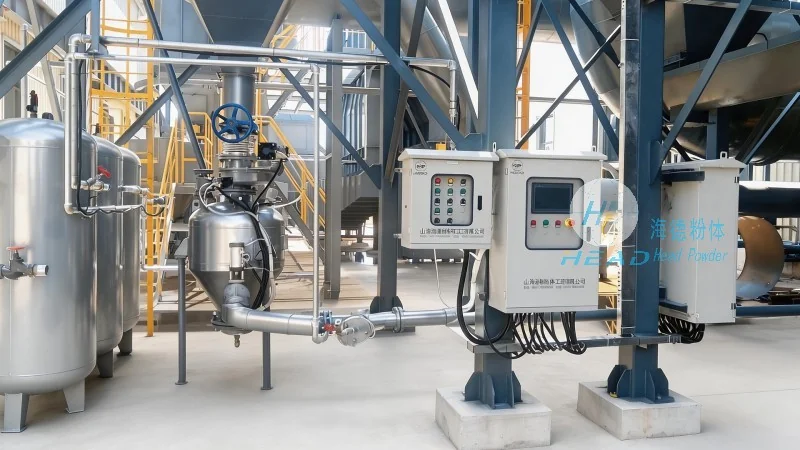
Energy efficiency and maintenance considerations are often overlooked but play a significant role in the long-term viability of a pneumatic conveying system. High energy consumption can increase operational costs over time, making it essential to select a system that balances performance with energy efficiency. Modern pneumatic conveying systems often incorporate energy-saving features, such as variable frequency drives (VFDs) for air compressors, which adjust the airflow based on actual demand. This reduces unnecessary energy use during low-conveying periods. Additionally, the system's maintenance requirements should be evaluated to ensure it can be serviced efficiently without disrupting production. Components like air filters, seals, and bearings should be designed for durability and ease of replacement. Regular maintenance schedules, including filter changes and system inspections, are critical to prevent breakdowns and extend the system's lifespan. For businesses, a well-maintained system not only reduces downtime but also lowers long-term operational costs.
Case Study: HeadPowder Engineering's Customized Pneumatic Conveying Solutions
Shandong HeadPowder Engineering Co., Ltd., a leading provider of pneumatic conveying systems, specializes in developing customized solutions tailored to the unique needs of aggregate handling operations. With years of experience in the industry, HeadPowder understands the importance of selecting the right system for each application. The company's approach involves a thorough analysis of the client's operational requirements, material characteristics, and budget constraints to design a system that maximizes efficiency and reliability. For example, a client in the construction sector required a pneumatic conveying system to transport sand from a storage silo to a mixing plant over a distance of 100 meters. HeadPowder engineers conducted a detailed assessment of the sand's particle size distribution and flow properties, then recommended a dense-phase conveying system with a high-pressure air compressor. The system was designed with stainless steel conveying lines and a rotary valve to ensure consistent material flow and prevent blockages. The result was a significant improvement in throughput, reduced downtime, and lower energy consumption compared to traditional methods. This case study highlights HeadPowder's commitment to providing tailored solutions that address the specific challenges of aggregate handling processes.
Conclusion: Making an Informed Decision for Your Aggregate Handling Needs
Selecting the right pneumatic conveying system for your aggregate handling process is a multifaceted decision that requires careful consideration of operational requirements, material characteristics, and system performance. By evaluating factors such as conveying method, air handling capacity, equipment integration, energy efficiency, and maintenance needs, businesses can choose a system that optimizes their operations and delivers long-term value. For companies in the aggregate industry, partnering with a reputable provider like Shandong HeadPowder Engineering Co., Ltd. can provide the expertise and customized solutions needed to address their unique challenges. With a focus on quality, efficiency, and reliability, HeadPowder helps businesses streamline their material handling processes and achieve their operational goals. Whether it's a dilute-phase or dense-phase system, a well-designed pneumatic conveying solution can enhance productivity, reduce costs, and ensure the smooth operation of aggregate handling operations.

 Công ty TNHH Kỹ thuật Công trình Bột Hải Đức Sơn Đông
 156-6277-7102(Quản lý Trương)
  0531-83386006
  Quận Chương Khâu, Thành phố Tế Nam, Tỉnh Sơn Đông, Trung Quốc
Điện thoại
WeChatTư vấn
Lên đầu