Công ty Hải Đức Bột với hơn 10 năm kinh nghiệm vận chuyển khí, cung cấp hệ thống‑thiết bị‑quạt gió và nhận dự án tổng thầu bột cả nước
When it comes to managing sulfur handling processes, selecting the appropriate pneumatic conveying system is crucial for efficiency, safety, and cost-effectiveness. The right system can significantly enhance the performance of your sulfur transportation operations, while an ill-suited choice may lead to operational bottlenecks, equipment damage, or increased maintenance costs. This guide will walk you through the key considerations and factors to evaluate when choosing a pneumatic conveying system for your sulfur handling applications, with a focus on the expertise and solutions offered by Shandong HeadPowder Engineering Co., Ltd.
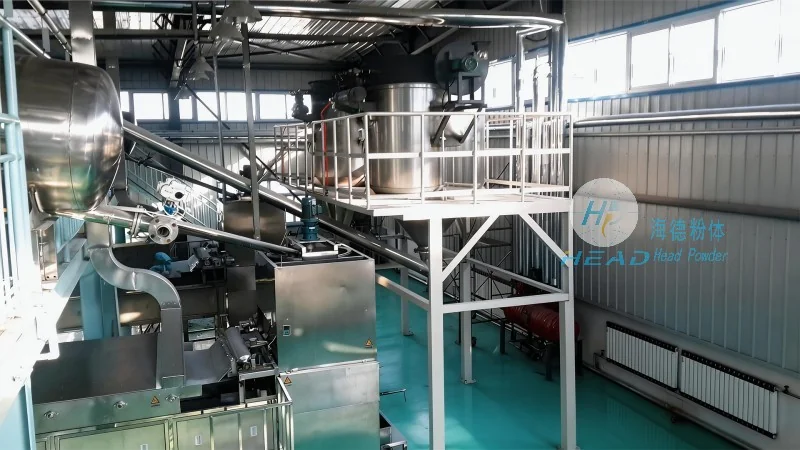
Understanding the Core Requirements of Sulfur Handling
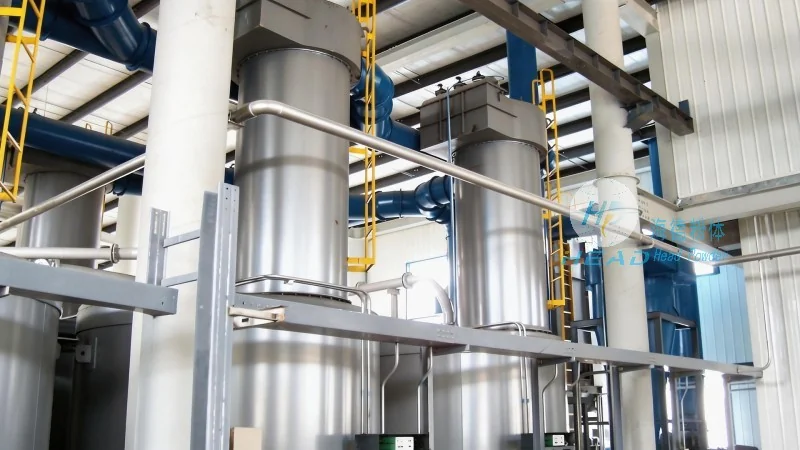
Sulfur, whether in its elemental form or as a byproduct of industrial processes, presents unique challenges during transportation. Its physical properties, such as particle size, density, and moisture content, directly impact the choice of conveying technology. For instance, fine-grained sulfur requires systems capable of handling low-pressure, high-volume airflow to prevent particle segregation and blockages. Conversely, larger chunks or bulk sulfur may necessitate higher-pressure systems designed to maintain flow consistency. Additionally, the environmental conditions, including temperature fluctuations and the presence of corrosive gases, must be considered to ensure the system's durability and compliance with safety standards.
Key Factors in Selecting a Pneumatic Conveying System
Several critical factors must be evaluated when selecting a pneumatic conveying system for sulfur handling. The first is the system type—whether it is a positive pressure, negative pressure, or a hybrid system. Positive pressure systems, which blow air into the conveying line, are often preferred for sulfur due to their ability to handle abrasive materials and maintain consistent flow rates. Negative pressure systems, on the other hand, are suitable for applications where dust control is paramount, as they draw material into the system and filter the exhaust air. The second factor is the required conveying distance and capacity. Longer distances or higher throughput demands may require multi-stage systems or larger diameter pipelines to ensure efficient material transport without excessive energy consumption. The third consideration is the material's characteristics, including its flowability, cohesive properties, and potential for dust generation. Systems designed with specialized components, such as rotary valves, airlocks, and filter housings, can mitigate these issues and ensure smooth operation.
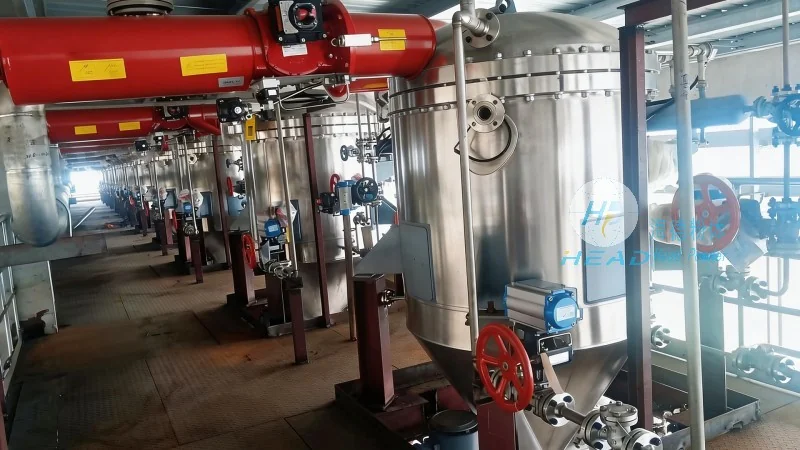
HeadPowder's Expertise in Sulfur Pneumatic Conveying Solutions
Shandong HeadPowder Engineering Co., Ltd., a leading provider of pneumatic conveying systems, offers tailored solutions that address the specific needs of sulfur handling processes. With a deep understanding of the material's properties and the challenges associated with its transportation, HeadPowder designs systems that prioritize reliability, efficiency, and safety. Their expertise lies in customizing positive pressure conveying systems, which are ideal for sulfur due to their robust construction and ability to handle abrasive particles. These systems typically include high-quality stainless steel or corrosion-resistant materials to withstand the chemical and thermal stresses of sulfur handling. Additionally, HeadPowder incorporates advanced control systems and monitoring tools to optimize performance, ensuring consistent flow rates and minimal downtime. The company's engineering team works closely with clients to assess their operational requirements, material specifications, and budget constraints, providing comprehensive recommendations that align with their long-term goals.
Ensuring System Performance and Durability
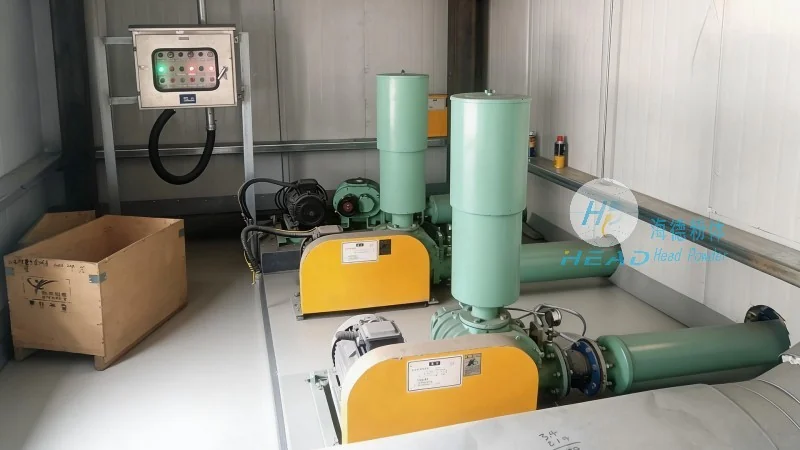
For sulfur handling applications, the longevity and performance of the pneumatic conveying system are paramount. HeadPowder's systems are engineered with durable components, such as high-efficiency blowers, robust pipelines, and specialized filters, to minimize wear and tear caused by abrasive sulfur particles. The use of stainless steel or other corrosion-resistant materials in critical parts, like the conveying line and airlock, enhances the system's resistance to chemical attack and extends its operational lifespan. Furthermore, the company's systems are equipped with advanced filtration and dust control mechanisms, which are essential for maintaining air quality and complying with environmental regulations. By integrating these features, HeadPowder ensures that their pneumatic conveying systems not only transport sulfur efficiently but also contribute to a safer and more sustainable operation.
Conclusion: Choosing the Right System for Your Sulfur Handling Needs
Selecting the appropriate pneumatic conveying system for your sulfur handling process requires a thorough evaluation of material properties, operational requirements, and system capabilities. By considering factors such as system type, conveying distance, and material characteristics, you can ensure that your chosen solution enhances productivity while minimizing risks. Shandong HeadPowder Engineering Co., Ltd. stands ready to assist with these decisions, leveraging their expertise and customized solutions to meet the unique demands of sulfur transportation. Whether you need a new system installation or an upgrade to an existing setup, HeadPowder's commitment to quality and performance makes them a reliable partner in optimizing your sulfur handling operations.

 Công ty TNHH Kỹ thuật Công trình Bột Hải Đức Sơn Đông
 156-6277-7102(Quản lý Trương)
  0531-83386006
  Quận Chương Khâu, Thành phố Tế Nam, Tỉnh Sơn Đông, Trung Quốc
Điện thoại
WeChatTư vấn
Lên đầu