Công ty Hải Đức Bột với hơn 10 năm kinh nghiệm vận chuyển khí, cung cấp hệ thống‑thiết bị‑quạt gió và nhận dự án tổng thầu bột cả nước
When managing tailings from mining operations, selecting an appropriate pneumatic conveying system is crucial for efficiency, safety, and cost-effectiveness. The right system ensures that tailings are transported reliably and safely from the storage or processing areas to disposal sites or further treatment facilities. This guide outlines key considerations and factors to help you make an informed decision when choosing a pneumatic conveying system for your tailings handling process.
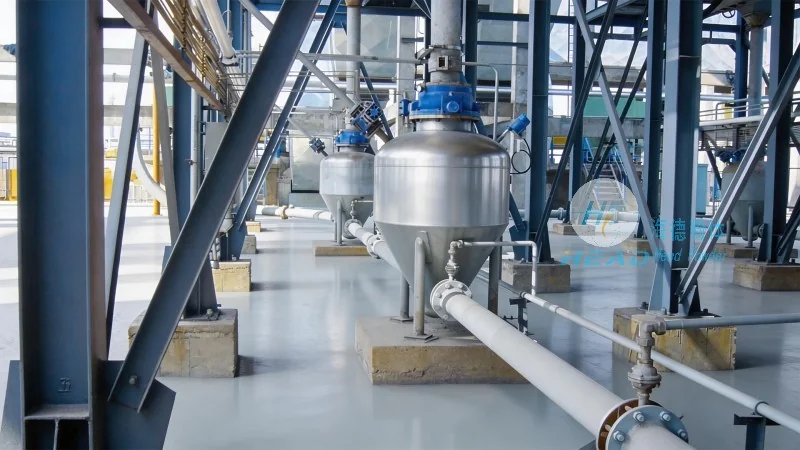
Understanding Tailings and Their Handling Requirements
Tailings are the fine-grained waste materials left over after mineral processing. They can vary significantly in composition, particle size, moisture content, and density, which directly impacts the choice of conveying technology. Traditional methods like trucks or belt conveyors may not be suitable for all tailings characteristics, especially when dealing with large volumes or hazardous materials. Pneumatic conveying systems offer a flexible and efficient solution that can handle a wide range of tailings properties.
Key Factors to Consider When Selecting a Pneumatic Conveying System
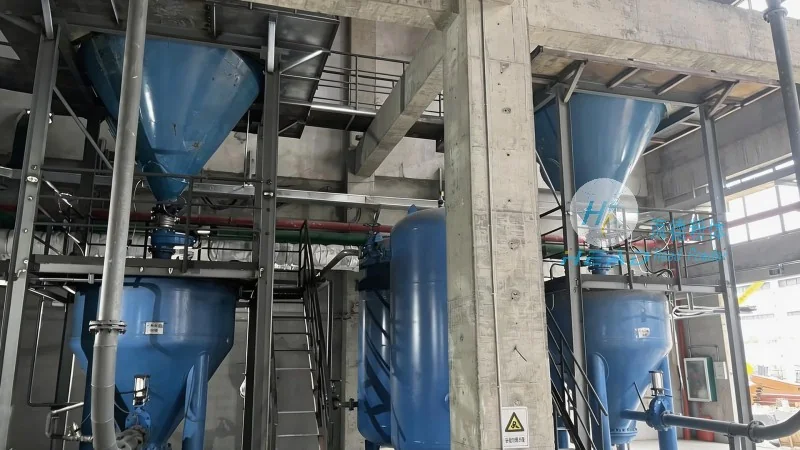
Several critical factors must be evaluated to ensure the selected system meets your operational needs. First, the physical properties of the tailings, such as particle size distribution, moisture content, and bulk density, are fundamental. These properties determine the system's capacity, pressure requirements, and the type of conveying equipment needed. For example, fine, dry tailings may be suitable for low-pressure, low-speed systems, while coarser or wetter materials might require high-pressure or high-speed designs.
Second, the distance and layout of the conveying route are important. The system's design must accommodate the horizontal and vertical distances between the source and destination points. This includes considering any obstacles, changes in elevation, or need for multiple transfer points. The system's flexibility in adapting to the plant layout is a key advantage of pneumatic conveying.
Third, operational parameters like required throughput, availability, and maintenance needs play a significant role. The system should be able to handle the expected volume of tailings without bottlenecks or downtime. Additionally, the system's reliability and ease of maintenance are critical for long-term operational efficiency. Companies like Shandong HeadPowder Engineering Co., Ltd., based in Shandong, China, specialize in designing and manufacturing tailored pneumatic conveying solutions that address these specific requirements.
Types of Pneumatic Conveying Systems for Tailings
There are several types of pneumatic conveying systems, each with its own advantages and applications. The most common types include dilute-phase and dense-phase systems. Dilute-phase systems use low air velocity and high air-to-material ratios, making them suitable for long-distance, low-pressure conveying of fine materials. Dense-phase systems, on the other hand, use high air velocity and low air-to-material ratios, which are ideal for conveying coarse materials or materials that are sensitive to attrition.
Another consideration is the system's configuration, such as positive displacement or venturi systems. Positive displacement systems use a pump to move the material, providing consistent flow rates and pressure, making them suitable for high-capacity applications. Venturi systems use a high-velocity air stream to draw material into the pipeline, which is effective for shorter distances and lower capacities.
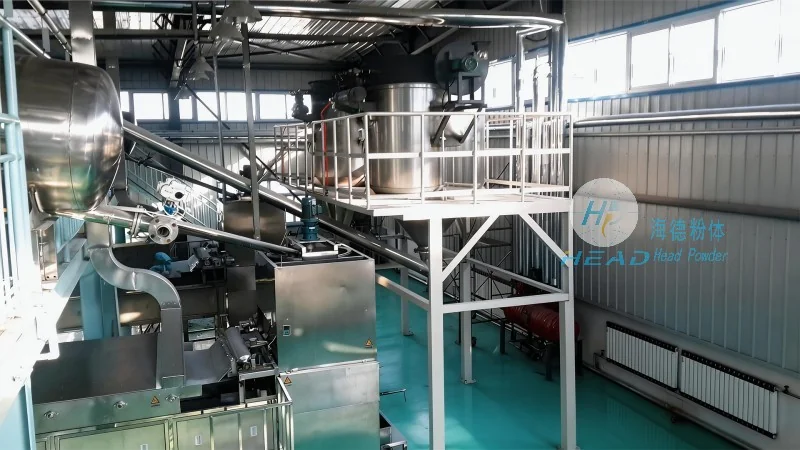
When selecting a system, it's essential to evaluate the pros and cons of each type based on your specific tailings characteristics and operational constraints. A well-designed system from a reputable manufacturer like Shandong HeadPowder Engineering Co., Ltd. can optimize performance and reduce operational costs.
Design and Installation Considerations
The design of a pneumatic conveying system involves careful engineering to ensure it meets the required performance standards. This includes selecting the appropriate pipeline diameter, material, and layout to minimize pressure drop and ensure smooth material flow. The system must also be equipped with proper controls and monitoring devices to maintain optimal operation and detect any issues early.
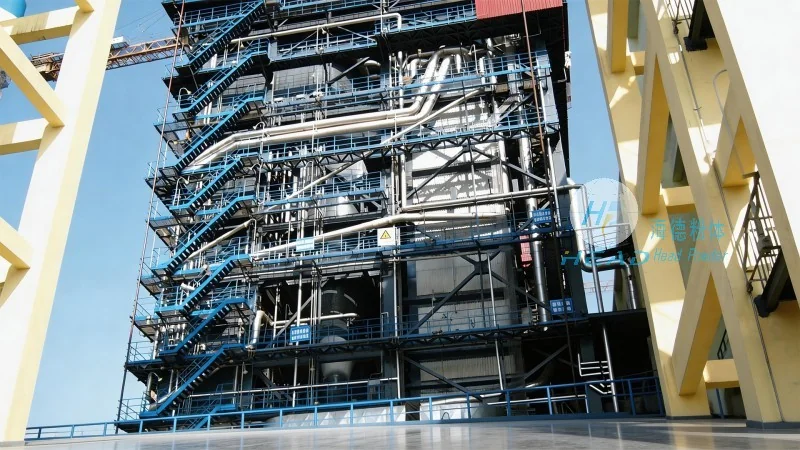
Installation is another critical aspect. Proper installation ensures that the system operates efficiently and safely. This includes ensuring proper alignment of components, correct sizing of air compressors and filters, and adequate ventilation to manage dust and air quality. Companies like Shandong HeadPowder Engineering Co., Ltd. provide comprehensive design, manufacturing, and installation services to ensure that the system is installed correctly and meets all regulatory requirements.
Maintenance and Operational Support
Regular maintenance is essential to keep the pneumatic conveying system running smoothly and efficiently. This includes cleaning the pipeline, replacing worn parts, and monitoring system performance. A well-maintained system can significantly reduce downtime and operational costs. Shandong HeadPowder Engineering Co., Ltd. offers maintenance and support services to help clients keep their systems in optimal condition.
Additionally, the system's operational support is important. This includes training for operators, technical support for troubleshooting, and spare parts availability. A reliable manufacturer like Shandong HeadPowder Engineering Co., Ltd. provides comprehensive support to ensure that the system operates at its best throughout its lifecycle.

 Công ty TNHH Kỹ thuật Công trình Bột Hải Đức Sơn Đông
 156-6277-7102(Quản lý Trương)
  0531-83386006
  Quận Chương Khâu, Thành phố Tế Nam, Tỉnh Sơn Đông, Trung Quốc
Điện thoại
WeChatTư vấn
Lên đầu