Công ty Hải Đức Bột với hơn 10 năm kinh nghiệm vận chuyển khí, cung cấp hệ thống‑thiết bị‑quạt gió và nhận dự án tổng thầu bột cả nước
For industrial facilities dealing with polyolefin materials, selecting an appropriate pneumatic conveying system is crucial for efficient material handling, maintaining product quality, and ensuring operational reliability. This guide from Shandong HeadPowder Engineering Co., Ltd. outlines key considerations and factors to help you make an informed decision when choosing a pneumatic conveying system tailored to your polyolefin processing needs.
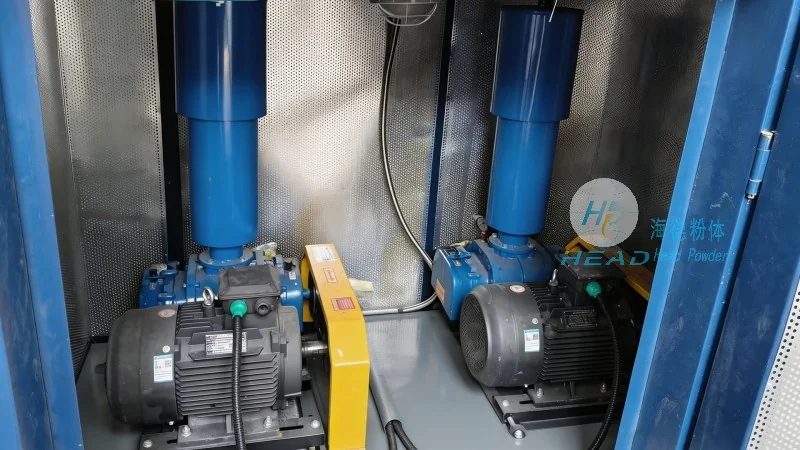
Understanding the Importance of Pneumatic Conveying for Polyolefins
Polyolefins, including materials like polyethylene (PE) and polypropylene (PP), are widely used in various industries due to their versatility and durability. However, these materials present unique challenges during handling, such as dust generation, static electricity, and the need for gentle transport to avoid degradation. Pneumatic conveying systems offer a solution by using air to transport polyolefin powders or granules, minimizing direct contact with equipment and reducing the risk of contamination or product damage.
Key Factors to Consider When Selecting a Pneumatic Conveying System
When evaluating pneumatic conveying systems for polyolefin applications, several critical factors must be taken into account to ensure optimal performance and longevity. These factors include the material's physical properties, the system's capacity requirements, the distance over which material needs to be conveyed, and the desired level of automation. Each of these elements plays a vital role in determining the most suitable system design.
Types of Pneumatic Conveying Systems for Polyolefins
There are primarily two types of pneumatic conveying systems commonly used for polyolefin handling: positive pressure and negative pressure systems. Positive pressure systems, such as pressure vessels or blowers, generate air pressure to move material, while negative pressure systems use vacuum to draw material from a source. The choice between these systems depends on factors like the material's flowability, the distance of transport, and the need for containment or dust control.
Material Properties and Their Impact on System Selection
The physical characteristics of polyolefin powders or granules significantly influence the choice of pneumatic conveying system. For instance, materials with high moisture content or fine particles may require systems with enhanced filtration and moisture control to prevent clogging or degradation. Additionally, the density and bulk density of the material affect the air velocity and pressure needed for effective transport. Understanding these properties is essential for selecting a system that can handle the specific material without compromising efficiency or product quality.
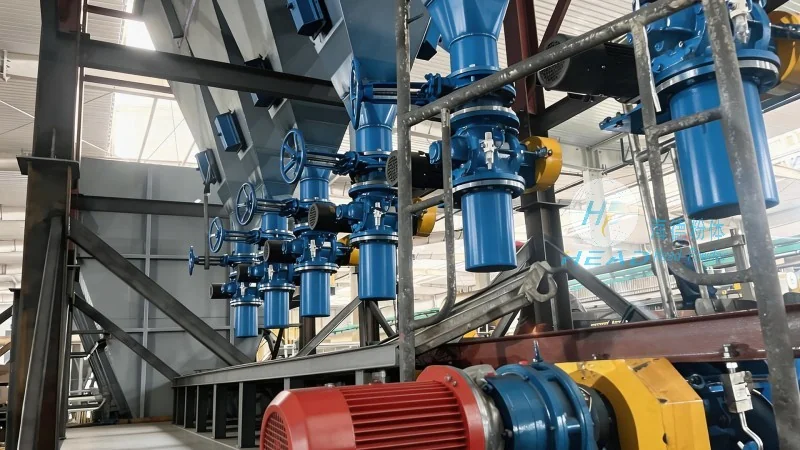
System Capacity and Throughput Requirements
The required capacity of the pneumatic conveying system is another critical consideration. This includes the volume of material to be conveyed per hour and the total throughput capacity of the entire processing line. Shandong HeadPowder Engineering Co., Ltd. offers customized solutions that can be scaled to meet varying production demands, ensuring that the system can handle both current and future operational needs without bottlenecks or inefficiencies.
Conveying Distance and Layout Considerations
The distance over which polyolefins need to be transported and the layout of the processing facility also impact system selection. Longer conveying distances may necessitate more robust equipment, such as high-pressure blowers or multiple stages of transport, to maintain material velocity and prevent settling. The system's flexibility to adapt to different facility layouts, including vertical and horizontal transport, is also a key factor in ensuring seamless integration with existing processes.
Automation and Control Systems
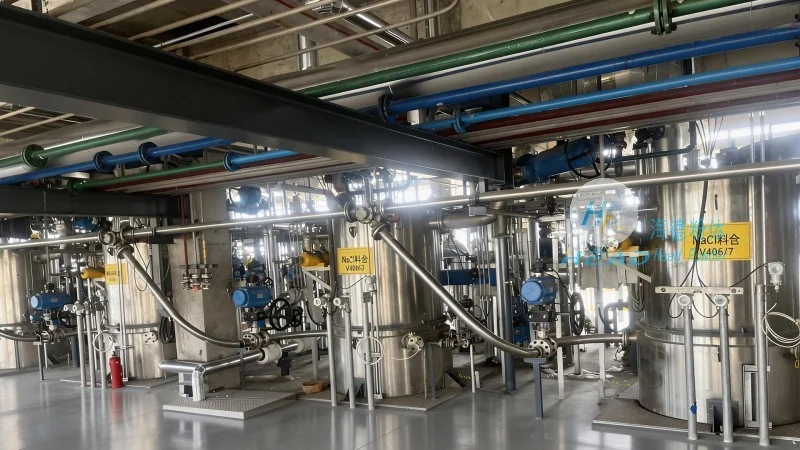
Modern pneumatic conveying systems often incorporate advanced automation and control features to enhance operational efficiency and safety. These may include sensors for material level monitoring, pressure and flow control, and automated start/stop functions. By integrating such systems, facilities can achieve better process control, reduce downtime, and improve overall productivity. Shandong HeadPowder Engineering Co., Ltd. specializes in designing and implementing automated solutions tailored to the specific needs of polyolefin processing plants.
Maintenance and Longevity of the System
Long-term operational costs and system longevity are important considerations when selecting a pneumatic conveying system. Systems with durable components, such as high-quality blowers, filters, and material handling equipment, can reduce maintenance requirements and extend the system's service life. Additionally, regular maintenance schedules and access to reliable support from the manufacturer, like Shandong HeadPowder Engineering Co., Ltd., are essential for ensuring consistent performance and minimizing downtime.
Environmental and Safety Considerations
Environmental regulations and safety standards play a significant role in the selection of pneumatic conveying systems for polyolefin handling. Systems that minimize dust emissions and comply with local environmental laws are preferable. Furthermore, features like explosion-proof designs and proper dust collection systems are critical for ensuring workplace safety. Shandong HeadPowder Engineering Co., Ltd. adheres to strict safety and environmental standards in the design and manufacturing of its pneumatic conveying systems.
Consulting with Experts: The Role of Shandong HeadPowder Engineering Co., Ltd.
Choosing the right pneumatic conveying system for polyolefin applications requires expertise and a deep understanding of both the material and the technology. Shandong HeadPowder Engineering Co., Ltd., with its headquarters in Shandong, China, provides comprehensive consulting services to help clients navigate the complexities of system selection. Our team of engineers works closely with clients to assess their specific needs, conduct feasibility studies, and recommend tailored solutions that optimize performance, efficiency, and cost-effectiveness.
By considering factors such as material properties, system capacity, conveying distance, and environmental requirements, and leveraging the expertise of companies like Shandong HeadPowder Engineering Co., Ltd., industrial facilities can select a pneumatic conveying system that meets their polyolefin handling needs effectively and reliably. This approach ensures smooth operations, maintains product quality, and supports long-term success in the polyolefin processing industry.

 Công ty TNHH Kỹ thuật Công trình Bột Hải Đức Sơn Đông
 156-6277-7102(Quản lý Trương)
  0531-83386006
  Quận Chương Khâu, Thành phố Tế Nam, Tỉnh Sơn Đông, Trung Quốc
Điện thoại
WeChatTư vấn
Lên đầu