Công ty Hải Đức Bột với hơn 10 năm kinh nghiệm vận chuyển khí, cung cấp hệ thống‑thiết bị‑quạt gió và nhận dự án tổng thầu bột cả nước
When it comes to handling and transporting pearl sand in industrial applications, selecting the appropriate pneumatic conveying system is crucial for efficiency, cost-effectiveness, and operational reliability. Pearl sand, a fine abrasive material often used in refractory and abrasive applications, requires specialized equipment to ensure safe and effective movement. This article will guide you through the key considerations and factors to evaluate when choosing a pneumatic conveying system tailored to your specific pearl sand handling process.
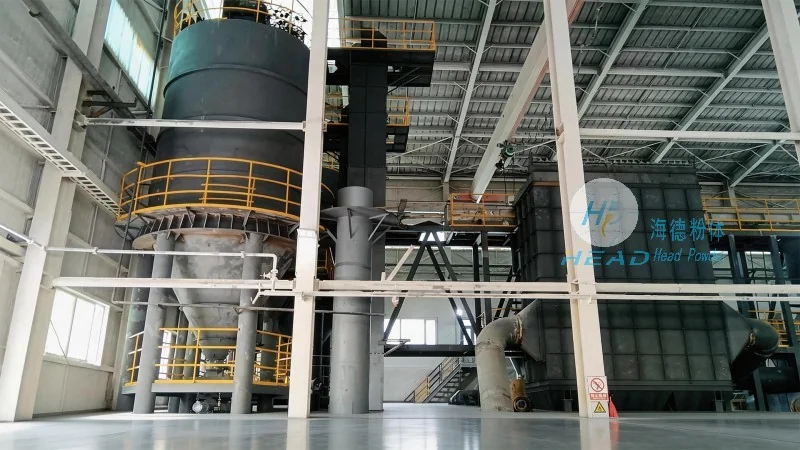
Understanding the Core Requirements of Pearl Sand Handling
Pearl sand, characterized by its fine particle size and abrasive nature, demands a conveying system that can handle high volumes while minimizing wear and tear on components. The material's properties, such as density, moisture content, and flowability, directly impact the choice of system. For instance, systems designed for dry, free-flowing materials may not be suitable for wet or sticky pearl sand. It is essential to assess the physical characteristics of your pearl sand to determine the most effective conveying method.
Key Factors to Evaluate in Pneumatic Conveying Systems
Several critical factors must be considered when selecting a pneumatic conveying system for pearl sand applications. These include the system's capacity, pressure requirements, and the type of conveying technology (e.g., pressure or vacuum systems). The distance and layout of the conveying route also play a significant role in determining the system's design. Additionally, the need for material recovery and dust control measures should be evaluated, as these can impact both operational efficiency and environmental compliance.
Types of Pneumatic Conveying Systems for Pearl Sand
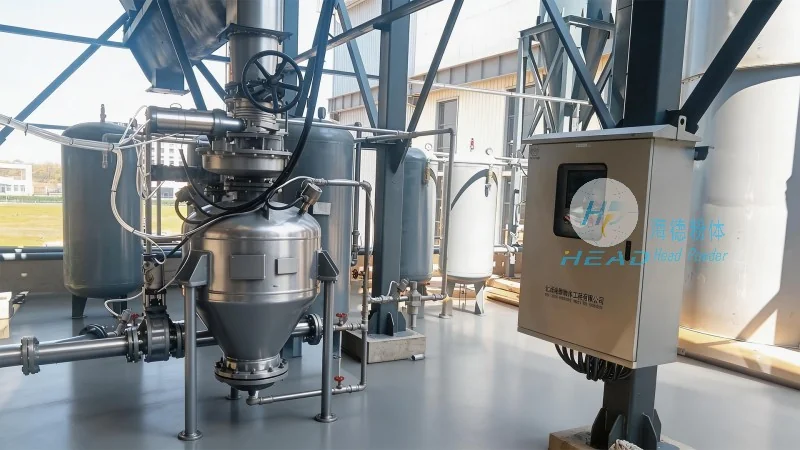
There are primarily two types of pneumatic conveying systems commonly used for handling fine abrasive materials like pearl sand: pressure systems and vacuum systems. Pressure systems use compressed air to push the material through the pipeline, while vacuum systems use suction to draw the material. The choice between these systems depends on factors such as the distance to be covered, the material's flow characteristics, and the need for material recovery. For longer distances or when transporting materials over obstacles, pressure systems are often preferred due to their higher pressure capabilities. Conversely, vacuum systems are suitable for shorter distances or when the material needs to be collected from multiple points.
Material Handling and Wear Considerations
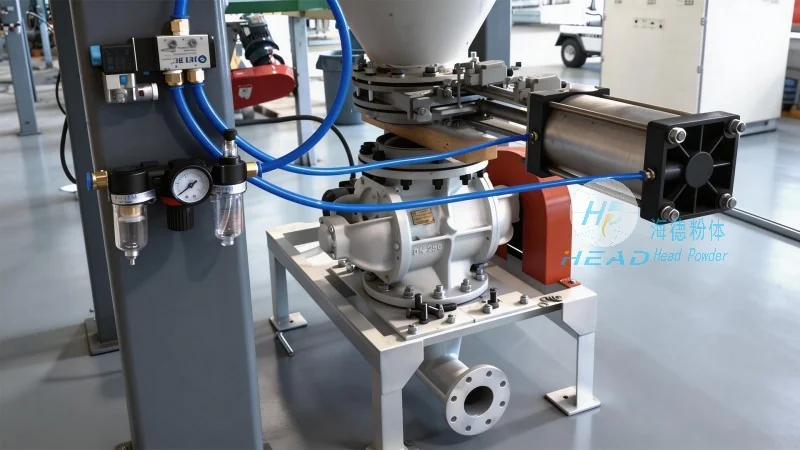
Given the abrasive nature of pearl sand, the selection of system components is paramount. Materials like stainless steel, special alloys, or wear-resistant coatings are commonly used for pipelines, valves, and other components to extend the system's lifespan and reduce maintenance costs. The design of the system, including the use of smooth, rounded bends and appropriate pipe diameters, is also critical to minimize friction and prevent material buildup. Proper maintenance and regular inspections are essential to ensure the system operates efficiently and safely.
Integration with Existing Infrastructure
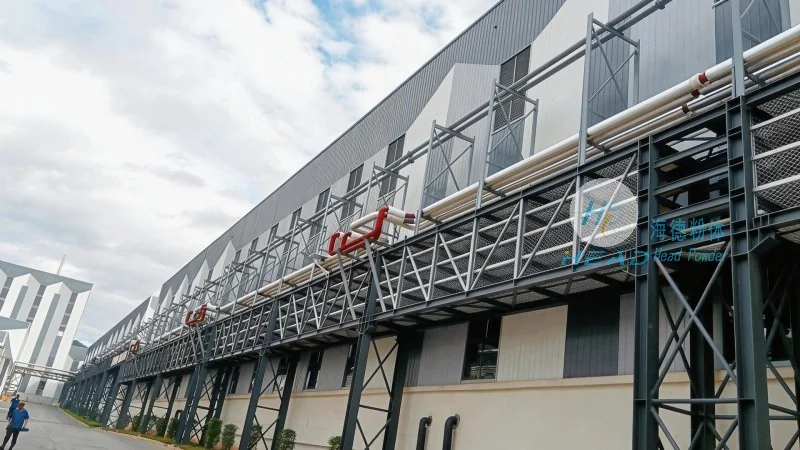
When choosing a pneumatic conveying system for your pearl sand handling process, it is important to consider how the new system will integrate with existing infrastructure. This includes assessing the available space, power supply, and air compression capabilities. The system should be designed to minimize disruption to current operations while maximizing efficiency. Compatibility with existing control systems and the ability to scale the system for future expansion are also key considerations.
Cost and Operational Efficiency Analysis
The initial cost of the pneumatic conveying system is an important factor, but long-term operational costs and efficiency should also be evaluated. This includes the cost of energy consumption, maintenance, and potential downtime. Systems that offer higher efficiency and lower maintenance requirements can provide significant cost savings over time. It is advisable to conduct a thorough cost-benefit analysis, considering both upfront and ongoing expenses, to determine the most economical solution for your specific application.
Conclusion: Selecting the Right System for Your Needs
Choosing the right pneumatic conveying system for your pearl sand handling process requires a comprehensive evaluation of material properties, operational requirements, and system capabilities. By carefully assessing factors such as capacity, pressure, material handling considerations, and integration with existing infrastructure, you can select a system that maximizes efficiency, reduces costs, and ensures reliable operation. Working with a reputable engineering company, such as Shandong HeadPowder Engineering Co., Ltd., based in China, can provide expert guidance and tailored solutions to meet your specific needs.

 Công ty TNHH Kỹ thuật Công trình Bột Hải Đức Sơn Đông
 156-6277-7102(Quản lý Trương)
  0531-83386006
  Quận Chương Khâu, Thành phố Tế Nam, Tỉnh Sơn Đông, Trung Quốc
Điện thoại
WeChatTư vấn
Lên đầu