

Types of Soybean Conveying Methods: An Introduction to HeadPowder's Pneumatic Soybean Conveying System
When it comes to transporting soybeans efficiently and reliably, selecting the right conveying method is crucial for optimizing production processes and maintaining product quality. Various options are available, each with its own advantages and applications. This article explores different soybean conveying methods, with a focus on the innovative solutions offered by Shandong HeadPowder Engineering Co., Ltd., commonly known as HeadPowder, a leading provider in the field.
Understanding the Importance of Effective Soybean Conveying
Efficient soybean conveying is essential in agricultural and industrial settings where soybeans are processed for food, feed, or oil production. Traditional methods like belt conveyors, bucket elevators, and manual handling have limitations in terms of speed, capacity, and product integrity. Modern pneumatic conveying systems, such as those developed by HeadPowder, address these challenges by offering high-speed, low-damage, and flexible solutions that adapt to diverse operational needs. The gentle handling of soybeans through pneumatic systems helps preserve their nutritional content and market value, which is critical for both domestic and international markets.
Types of Soybean Conveying Methods
Several conventional and modern methods are used for soybean transportation. The most common include:
Belt Conveyors: These systems use continuous belts to move soybeans horizontally or at slight inclines. While effective for bulk material handling, they may cause product abrasion and are less suitable for delicate soybeans that require gentle handling. The friction between the belt and soybeans can lead to surface damage, affecting their appearance and marketability.
Bucket Elevators: Vertical or inclined elevators that lift soybeans using buckets attached to a chain or belt. This method is efficient for vertical transport but can be noisy and may lead to product breakage during lifting. The mechanical stress from lifting can cause cracks or splits in soybeans, reducing their quality and usability in downstream processes.
Gravity Chutes: Simple, low-cost systems that rely on gravity to move soybeans from higher to lower levels. However, they are limited by the need for a steep incline and are not suitable for long-distance or complex layouts. The reliance on gravity restricts the ability to handle horizontal or multi-level transport, making them less versatile for modern processing facilities.
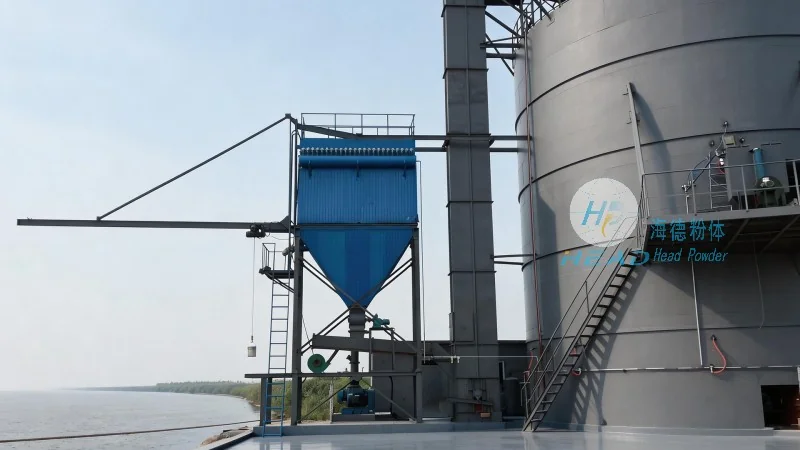
Pneumatic Conveying: This method uses air pressure to transport soybeans through a pipeline. It offers the highest level of flexibility and gentleness, making it ideal for sensitive products like soybeans. The air flow can be controlled to minimize impact and abrasion, ensuring that soybeans remain intact during transport.
HeadPowder's Pneumatic Soybean Conveying System
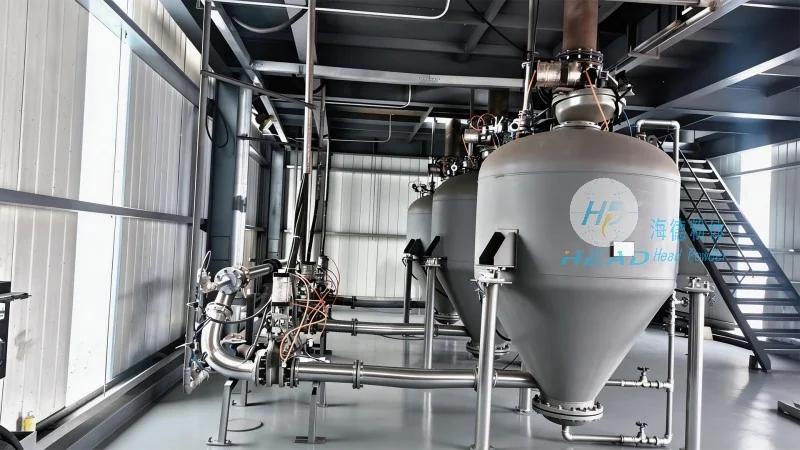
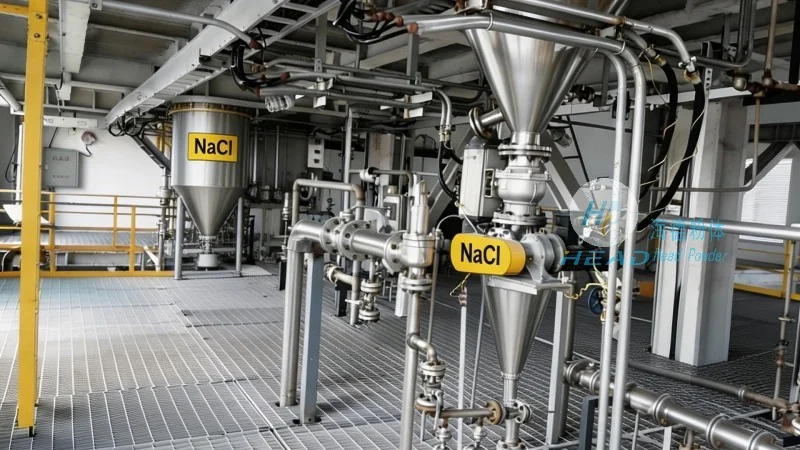
HeadPowder specializes in designing and manufacturing advanced pneumatic conveying systems tailored for soybean handling. Their systems are engineered to deliver exceptional performance, ensuring minimal product damage, high conveying rates, and easy integration into existing production lines. The core technology involves using air to move soybeans through a network of pipes, with options for both positive and negative pressure systems depending on the application. The positive pressure system pushes the soybeans through the pipeline using compressed air, while the negative pressure system pulls them using vacuum, providing flexibility for different operational scenarios.
Key features of HeadPowder's soybean pneumatic conveying solutions include:
Low Product Damage: The gentle air flow minimizes mechanical stress on soybeans, preserving their quality and nutritional value. This is particularly important for soybeans intended for food applications, where texture and appearance are key factors.
High Conveying Capacity: Advanced design allows for efficient transport of large volumes, meeting the demands of high-throughput processing facilities. The systems can handle varying capacities, from small batches to continuous flow, ensuring consistent operation.
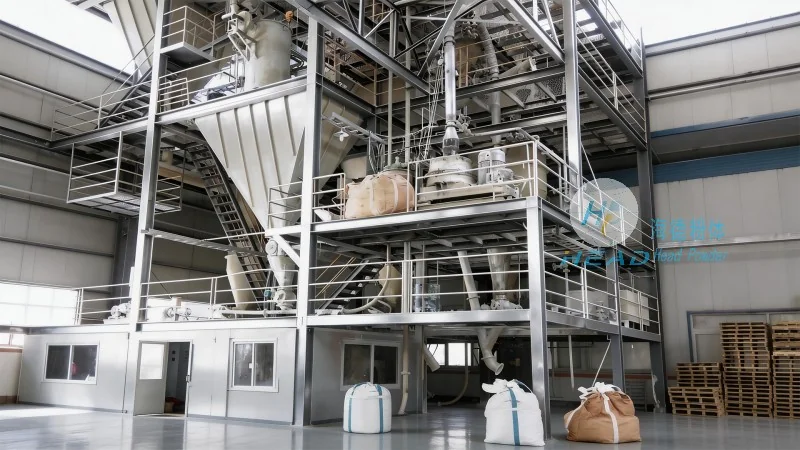
Flexible Layouts: The modular nature of the system enables customization for various plant layouts, including horizontal, vertical, and complex multi-level setups. This adaptability allows businesses to optimize their production space and streamline workflow.
Easy Maintenance: Simplified components and accessible design reduce downtime and maintenance costs, ensuring consistent operation. HeadPowder's systems are built with durable materials and easy-to-replace parts, minimizing the need for extensive repairs and extending the equipment's lifespan.
Benefits of Choosing HeadPowder's Soybean Conveying Solutions
Implementing HeadPowder's pneumatic conveying systems provides numerous benefits for soybean processing operations. These include improved operational efficiency, reduced labor costs, enhanced product quality, and increased overall productivity. The systems are designed to adapt to changing production requirements, making them a reliable long-term investment for businesses in the soybean industry. By reducing product damage and optimizing transport speed, HeadPowder's solutions help businesses maintain competitive advantages in the market.