Công ty Hải Đức Bột với hơn 10 năm kinh nghiệm vận chuyển khí, cung cấp hệ thống‑thiết bị‑quạt gió và nhận dự án tổng thầu bột cả nước
When it comes to the efficient and hygienic transportation of fermentation curd in the brewing and distilling industries, selecting the right conveying method is crucial. Traditional methods like manual handling or mechanical conveyors may pose challenges such as contamination risks, operational inefficiencies, and labor costs. This article explores the various options available and highlights the advantages of pneumatic conveying systems, with a focus on the solutions offered by Shandong HeadPowder Engineering Co., Ltd., a leading provider in the field.
Understanding Fermentation Curd and Its Conveying Needs
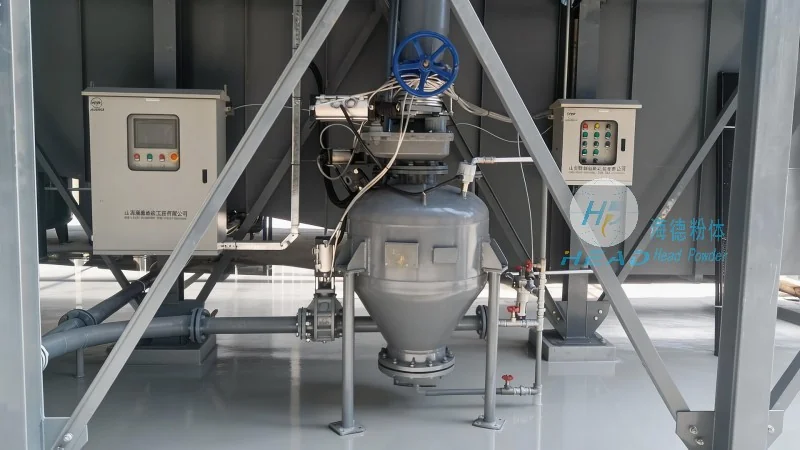
Fermentation curd, also known as mash or fermentation mash, is a critical component in the production of alcoholic beverages. It consists of a mixture of water, malt, and other ingredients that undergo fermentation to produce alcohol. The curd, after fermentation, needs to be transported to the next stage of processing, such as filtration or distillation. The key requirements for curd conveying include maintaining product integrity, preventing contamination, ensuring consistent flow, and minimizing energy consumption.
Common Conveying Methods for Fermentation Curd
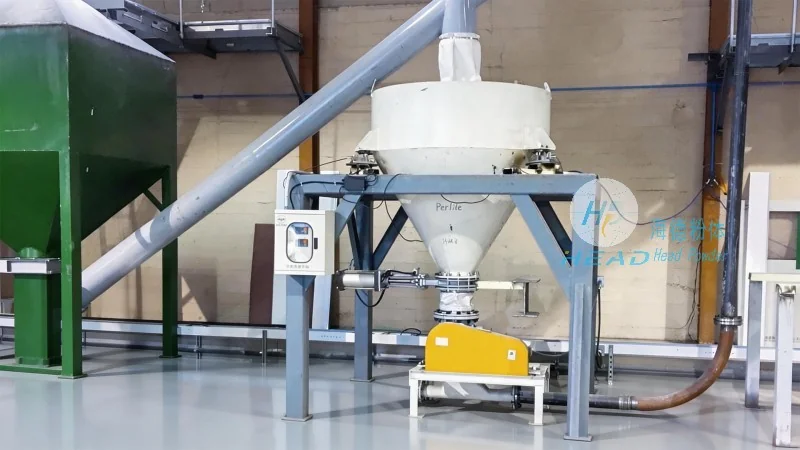
Several methods are traditionally used for curd transportation, each with its own set of advantages and limitations. Mechanical conveyors, including belt conveyors and screw conveyors, are widely used but often struggle with maintaining hygiene, especially in environments where moisture and organic matter are present. These systems may also require regular cleaning and maintenance to prevent clogging and bacterial growth. Another common method is manual handling, which is labor-intensive and poses health risks due to exposure to the curd and potential allergens.
Pneumatic Conveying: The Superior Choice for Fermentation Curd
Pneumatic conveying systems, as offered by HeadPowder, represent a modern and advanced solution for curd transportation. These systems use compressed air to transport the curd through a network of pipes, eliminating the need for mechanical parts that come into direct contact with the product. The primary benefits of pneumatic conveying for fermentation curd include:
Hygienic and Sanitary Operation: The enclosed system prevents contamination from external sources, ensuring that the curd remains pure and safe for consumption. The materials used in the construction of the conveying lines are typically food-grade and easy to clean, meeting stringent industry standards.
Efficient and Continuous Flow: Pneumatic systems allow for continuous and controlled flow of the curd, reducing downtime and increasing overall production efficiency. The adjustable air pressure and flow rates enable precise control over the conveying process, adapting to different curd consistencies and production volumes.

Reduced Labor and Maintenance Costs: By automating the conveying process, pneumatic systems minimize the need for manual labor, lowering labor costs and reducing the risk of human error. The enclosed design also reduces the need for frequent cleaning and maintenance, as the system is less prone to clogging and wear compared to mechanical conveyors.
Space Efficiency: Pneumatic conveying systems can be installed in compact spaces, making them ideal for facilities with limited floor area. The flexible piping can be arranged to follow the layout of the production line, optimizing the use of available space.
HeadPowder's Pneumatic Conveying Solutions for Fermentation Curd
Shandong HeadPowder Engineering Co., Ltd. specializes in designing and manufacturing customized pneumatic conveying systems tailored to the specific needs of the brewing and distilling industries. The company's solutions are engineered to handle the unique challenges of curd transportation, including high moisture content, varying particle sizes, and the need for hygienic operation.
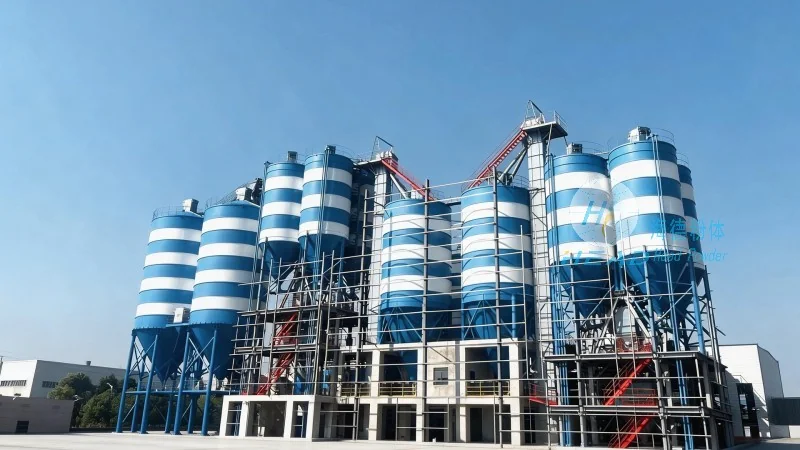
HeadPowder's systems typically include components such as air compressors, filter units, conveying pipes, and control panels. The air compressor provides the necessary pressure to move the curd through the system, while the filter unit ensures that the air is clean and free from contaminants. The conveying pipes are made of food-grade materials like stainless steel, which are resistant to corrosion and easy to clean. The control panels allow operators to monitor and adjust the system parameters, ensuring optimal performance.
Customization and Integration with Production Lines
One of the key advantages of HeadPowder's pneumatic conveying systems is their ability to be customized and integrated seamlessly with existing production lines. The company works closely with clients to understand their specific production requirements and design a system that meets their needs. This includes considerations such as the volume of curd to be conveyed, the distance between processing stages, and the desired flow rate. The systems can be designed to handle different curd consistencies, from wet to dry, and can be integrated with other equipment such as mixers, filters, and distillation units.
Conclusion
Choosing the right conveying method for fermentation curd is essential for maintaining product quality, efficiency, and safety in the brewing and distilling industries. While traditional methods may offer some benefits, pneumatic conveying systems provide a superior solution with their hygienic operation, efficient flow, and reduced maintenance costs. Shandong HeadPowder Engineering Co., Ltd. offers advanced pneumatic conveying solutions that are tailored to the specific needs of the industry, helping businesses improve their production processes and meet the demands of modern consumers.

 Công ty TNHH Kỹ thuật Công trình Bột Hải Đức Sơn Đông
 156-6277-7102(Quản lý Trương)
  0531-83386006
  Quận Chương Khâu, Thành phố Tế Nam, Tỉnh Sơn Đông, Trung Quốc
Điện thoại
WeChatTư vấn
Lên đầu