Công ty Hải Đức Bột với hơn 10 năm kinh nghiệm vận chuyển khí, cung cấp hệ thống‑thiết bị‑quạt gió và nhận dự án tổng thầu bột cả nước
When it comes to transporting gypsum powder, selecting the right method is crucial for efficiency, safety, and cost-effectiveness. Traditional methods like belt conveyors or manual handling have limitations, especially when dealing with fine powders that are prone to dust and require controlled movement. This article explores various gypsum powder conveying solutions, with a focus on the advanced pneumatic conveying system offered by Shandong HeadPowder Engineering Co., Ltd., commonly known as HeadPowder.
About HeadPowder: Your Trusted Gypsum Powder Conveying Partner

HeadPowder, or Shandong HeadPowder Engineering Co., Ltd., is a leading manufacturer and supplier of specialized conveying equipment for industrial applications. With a strong presence in China, particularly in Shandong, the company has built a reputation for delivering high-quality, reliable solutions tailored to the unique needs of the gypsum processing industry. HeadPowder's commitment to innovation and customer satisfaction ensures that their products meet the highest standards of performance and durability.
Understanding Pneumatic Conveying for Gypsum Powder
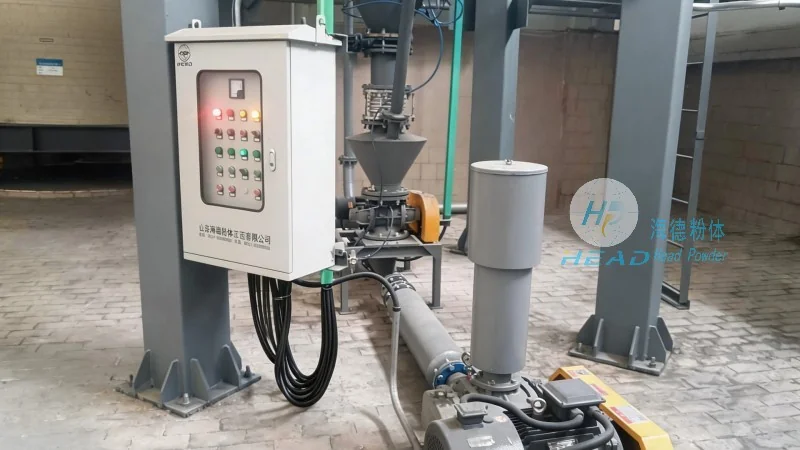
Pneumatic conveying, also known as air conveying, is a method that uses compressed air to transport bulk materials like gypsum powder through a pipeline system. This technology offers several advantages over traditional methods, including the ability to handle fine powders without the need for mechanical components that can cause wear and tear. The system typically consists of a blower, a hopper to store the material, and a pipeline network that directs the powder from the source to the destination. By utilizing air pressure, the conveying process becomes more efficient, as it can cover longer distances and handle varying material volumes with minimal maintenance.
Key Advantages of HeadPowder's Pneumatic Gypsum Powder Conveying System
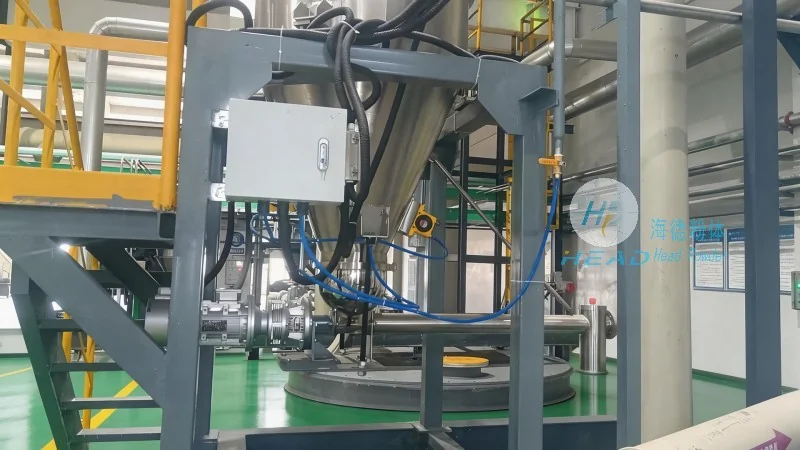
HeadPowder's pneumatic conveying system for gypsum powder is designed to address the challenges of transporting fine, dusty materials. One of the primary benefits is the reduction of dust exposure, which is a significant concern in industrial environments. The enclosed pipeline system prevents dust from escaping into the air, improving workplace safety and compliance with environmental regulations. Additionally, the system offers high efficiency in material transfer, with the ability to handle large volumes of gypsum powder at a consistent rate. This ensures that production lines remain uninterrupted, leading to increased productivity and reduced downtime. The system also minimizes material degradation, as the enclosed environment protects the powder from moisture and other contaminants that could affect its quality.
How the Pneumatic Conveying System Works
The operation of HeadPowder's pneumatic conveying system for gypsum powder involves a series of steps that ensure smooth and reliable material transfer. First, the gypsum powder is fed into the hopper, which is equipped with a feeder to control the flow rate. The feeder then releases the powder into the pipeline, where it is carried by the compressed air from the blower. The air and powder mixture travels through the pipeline to the destination point, such as a storage silo or processing unit. At the receiving end, a separator or cyclone separates the powder from the air, allowing the powder to be deposited while the air is either recirculated or vented. This process is continuous and automated, requiring minimal human intervention once the system is set up and maintained properly.
Conclusion: Choosing the Right Conveying Solution for Gypsum Powder
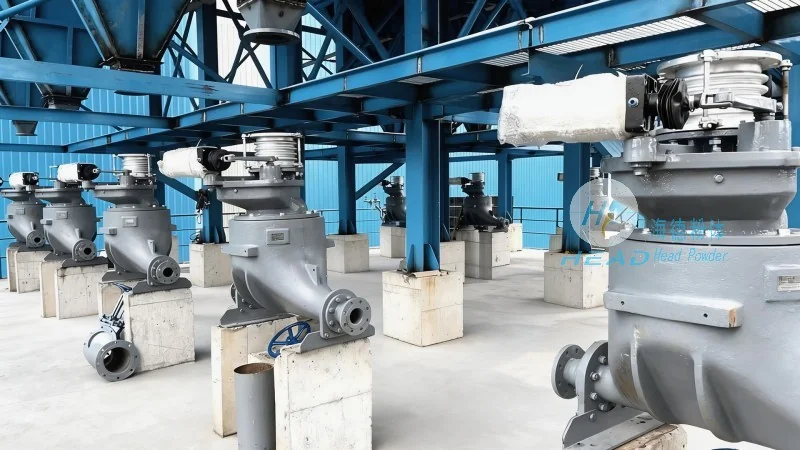
For businesses dealing with gypsum powder, the choice of conveying method can significantly impact operational efficiency and safety. While traditional methods may seem straightforward, modern pneumatic conveying systems like those offered by HeadPowder provide a superior solution. By leveraging compressed air and enclosed pipelines, these systems offer enhanced control, reduced dust, and improved material handling capabilities. As a leading provider in the industry, HeadPowder's expertise and commitment to quality make them a reliable partner for companies seeking to optimize their gypsum powder transportation processes. Whether you are looking to improve existing systems or implement new ones, HeadPowder's pneumatic conveying solutions are designed to meet your specific needs and deliver long-term benefits.

 Công ty TNHH Kỹ thuật Công trình Bột Hải Đức Sơn Đông
 156-6277-7102(Quản lý Trương)
  0531-83386006
  Quận Chương Khâu, Thành phố Tế Nam, Tỉnh Sơn Đông, Trung Quốc
Điện thoại
WeChatTư vấn
Lên đầu