Công ty Hải Đức Bột với hơn 10 năm kinh nghiệm vận chuyển khí, cung cấp hệ thống‑thiết bị‑quạt gió và nhận dự án tổng thầu bột cả nước
Conveying tailings and sludge is a critical process in mining and industrial operations, requiring efficient and reliable systems to transport these materials from processing sites to disposal or reclamation areas. Traditional methods such as trucking, belt conveyors, and hydraulic systems often face challenges related to cost, environmental impact, and operational flexibility. As industries seek more sustainable and effective solutions, advanced technologies like air-pneumatic conveying have emerged as a viable alternative. This article explores various tailings and sludge conveying methods and highlights the advantages of HeadPowder's air-pneumatic conveying solutions, providing insights into how these systems enhance operational efficiency and environmental compliance.
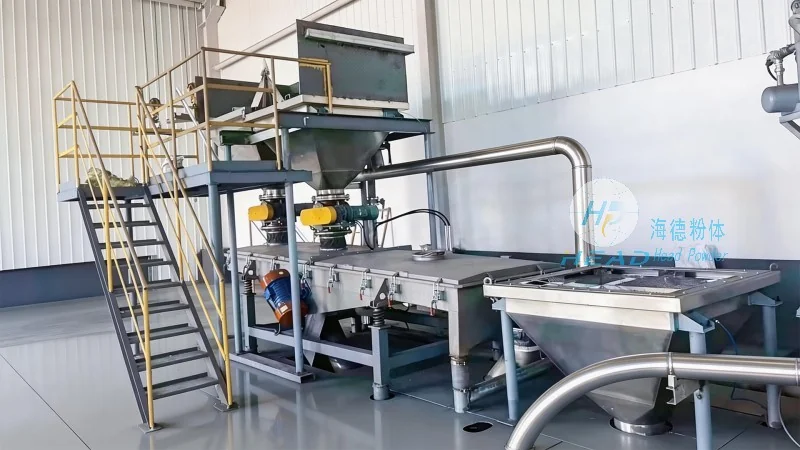
Understanding Tailings and Sludge Conveying Challenges
Tailings and sludge are byproducts of mineral processing and industrial operations, typically consisting of fine particles mixed with water or other liquids. The characteristics of these materials—such as high moisture content, abrasive nature, and variable particle size—pose significant challenges for conventional conveying methods. Traditional trucking methods, for instance, are often limited by distance, traffic, and the need for multiple trips, leading to higher transportation costs and increased emissions. Belt conveyors, while effective for bulk materials, may struggle with the fine, sticky nature of tailings, leading to blockages and maintenance issues. Hydraulic systems, though capable of handling wet materials, require extensive infrastructure and can be prone to leaks, posing environmental risks.
Overview of Conveying Methods for Tailings and Sludge
Several methods are commonly used for tailings and sludge transportation, each with its own set of advantages and limitations. The choice of method depends on factors such as material properties, distance, cost, and environmental regulations. The primary options include:
1. Trucking and Road Transport
Trucking remains a widely used method for transporting tailings and sludge, particularly for short to medium distances. This approach involves loading the material into trucks and transporting it to disposal sites or reclamation areas. While trucking offers flexibility and can handle a wide range of material types, it is often the most expensive option due to fuel costs, labor, and regulatory compliance. Additionally, trucking can contribute to air pollution and traffic congestion, making it less attractive for large-scale or long-term operations.
2. Belt Conveyors
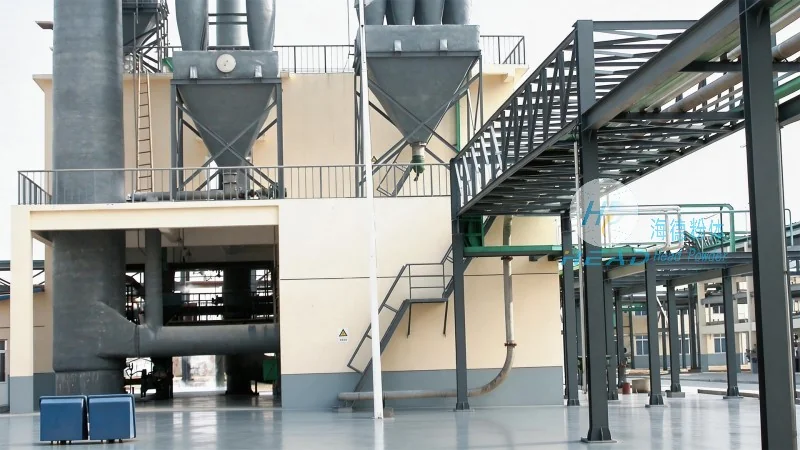
Belt conveyors are a common solution for bulk material handling, including tailings and sludge. These systems use a continuous belt to transport materials over long distances, often with multiple inclines and declines. Belt conveyors are known for their high capacity and reliability, making them suitable for continuous operations. However, they may face challenges with fine, cohesive materials, as the belt can become clogged or the material may slip, leading to reduced efficiency and increased maintenance. Additionally, belt conveyors require significant space and infrastructure, which can be a limitation in certain mining sites.
3. Hydraulic Systems
Hydraulic systems use water or other liquids to transport tailings and sludge through pipelines. This method is effective for materials with high moisture content and can handle abrasive particles. However, hydraulic systems require extensive pipeline networks and pumping stations, leading to high installation and operational costs. Leaks in the system can also pose environmental risks, as contaminated water may seep into the ground or nearby water sources. Furthermore, hydraulic systems may struggle with materials that are too dry or too fine, as the flow can become unstable.
4. Air-Pneumatic Conveying
Air-pneumatic conveying, also known as pneumatic conveying, is a technology that uses compressed air to transport dry or wet materials through a pipeline. This method offers several advantages over traditional systems, making it an increasingly popular choice for tailings and sludge transportation. The key benefits include environmental friendliness, high efficiency, and operational flexibility.
Advantages of Air-Pneumatic Conveying for Tailings and Sludge
HeadPowder's air-pneumatic conveying systems are designed to address the challenges associated with tailings and sludge transportation. These systems utilize compressed air to move materials through a sealed pipeline, eliminating the need for trucks or open conveyors. The primary advantages of this technology include:
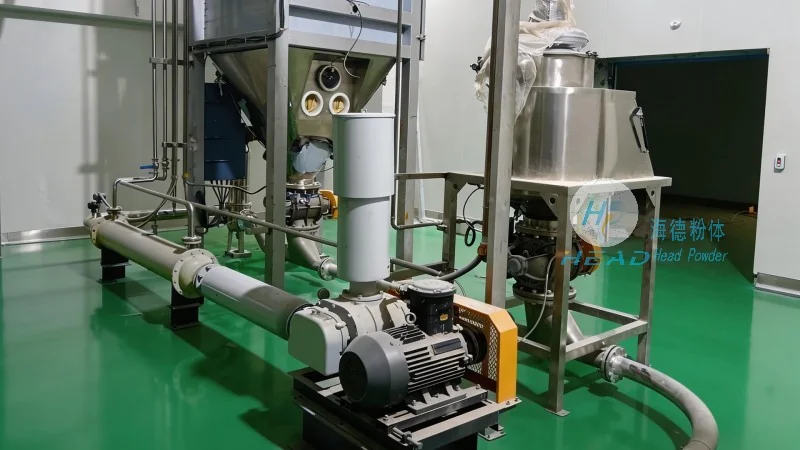
Environmental Sustainability
One of the most significant benefits of air-pneumatic conveying is its minimal environmental impact. Unlike trucking or hydraulic systems, pneumatic conveying does not emit greenhouse gases or pollutants into the air. The sealed pipeline also prevents dust and fine particles from escaping into the environment, reducing the risk of air and water pollution. This makes pneumatic conveying an attractive option for mining operations seeking to comply with environmental regulations and reduce their carbon footprint.
Operational Efficiency and Cost-Effectiveness
Air-pneumatic conveying systems are highly efficient and can transport materials over long distances with minimal energy consumption. The use of compressed air allows for continuous, high-capacity operation, reducing the need for multiple trips or frequent maintenance. Compared to trucking or belt conveyors, pneumatic systems can lower overall transportation costs by up to 50% in some cases. Additionally, the sealed pipeline design reduces material loss and waste, further improving cost-effectiveness.
Flexibility and Adaptability
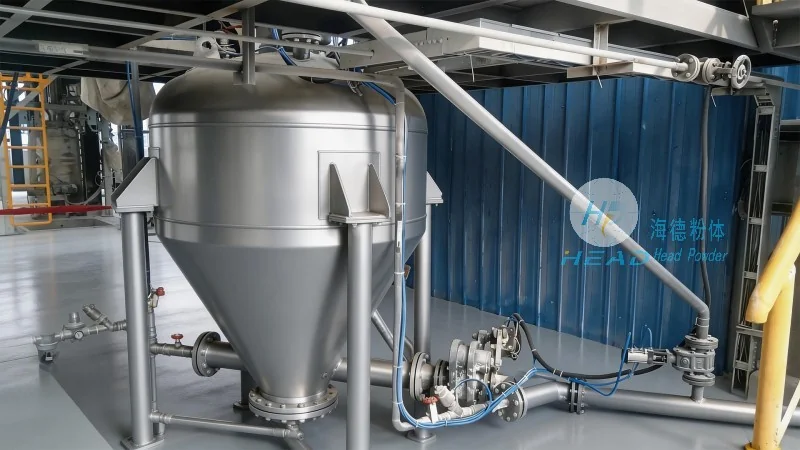
HeadPowder's air-pneumatic conveying solutions are highly flexible and can be adapted to various operational needs. The systems can handle a wide range of material types, including fine powders, slurries, and mixed solids. They can also be configured to transport materials over complex routes, including vertical lifts and multiple turns, making them suitable for diverse mining and industrial applications. The modular design of these systems allows for easy expansion or modification as operational requirements change.
Technical Specifications and Applications
HeadPowder's air-pneumatic conveying systems are engineered to meet the specific needs of tailings and sludge transportation. The systems are available in various configurations, including positive and negative pressure modes, to accommodate different material properties and distances. The equipment is designed with durable materials, such as stainless steel and high-quality plastics, to withstand the abrasive nature of tailings and prevent corrosion. The company's expertise in customizing systems ensures that each solution is tailored to the unique requirements of the client, whether it's a small-scale operation or a large industrial facility.
Case Studies and Real-World Applications
HeadPowder has successfully implemented air-pneumatic conveying systems in various mining and industrial projects, demonstrating the effectiveness of this technology. For example, a copper mine in China used HeadPowder's system to transport tailings over a distance of 5 kilometers, reducing transportation costs by 40% and improving environmental compliance. Another project involved a chemical plant that utilized the system to convey sludge from a wastewater treatment facility to a disposal site, achieving higher efficiency and lower emissions compared to traditional methods. These case studies highlight the practical benefits of air-pneumatic conveying and its potential to enhance operational performance and sustainability.
Conclusion and Future Outlook
In conclusion, the choice of tailings and sludge conveying method is critical to the efficiency and sustainability of mining and industrial operations. While traditional methods like trucking and belt conveyors have been used for decades, air-pneumatic conveying offers a modern, effective solution that addresses many of the challenges associated with conventional systems. HeadPowder's air-pneumatic conveying solutions provide a reliable, cost-effective, and environmentally friendly option for transporting tailings and sludge, helping clients achieve their operational and environmental goals. As industries continue to prioritize sustainability and efficiency, the adoption of advanced technologies like pneumatic conveying is likely to increase, making it an essential component of future mining and industrial operations.

 Công ty TNHH Kỹ thuật Công trình Bột Hải Đức Sơn Đông
 156-6277-7102(Quản lý Trương)
  0531-83386006
  Quận Chương Khâu, Thành phố Tế Nam, Tỉnh Sơn Đông, Trung Quốc
Điện thoại
WeChatTư vấn
Lên đầu