Công ty Hải Đức Bột với hơn 10 năm kinh nghiệm vận chuyển khí, cung cấp hệ thống‑thiết bị‑quạt gió và nhận dự án tổng thầu bột cả nước
When it comes to transporting polyethylene styrene (PS), selecting the right conveying method is crucial for efficiency, cost-effectiveness, and material integrity. PS, a widely used thermoplastic, presents unique challenges during handling due to its lightweight, powdery nature and potential for static buildup. Traditional methods like belt conveyors or bucket elevators may struggle with the fine particle size and low bulk density of PS, leading to issues such as material degradation, dust generation, and operational inefficiencies. This article explores the various polyethylene styrene conveying methods available, with a focus on the advanced solutions offered by Shandong HeadPowder Engineering Co., Ltd., a leading provider in the field.
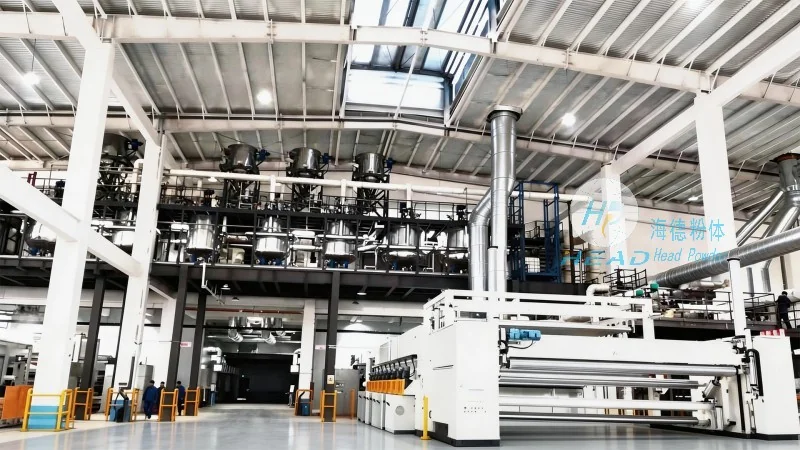
Common Conveying Challenges with Polyethylene Styrene
Polyethylene styrene is often processed in bulk form, requiring reliable transport from storage silos or production lines to processing equipment. However, its physical properties—such as low bulk density (typically 0.1-0.3 g/cm³), fine particle size (often 0.1-2 mm), and tendency to generate static electricity—make conventional mechanical conveying systems less effective. For instance, belt conveyors may experience material slippage or bridging, while bucket elevators can suffer from high maintenance costs and limited capacity for fine powders. These challenges highlight the need for specialized conveying technologies that address the unique characteristics of PS.
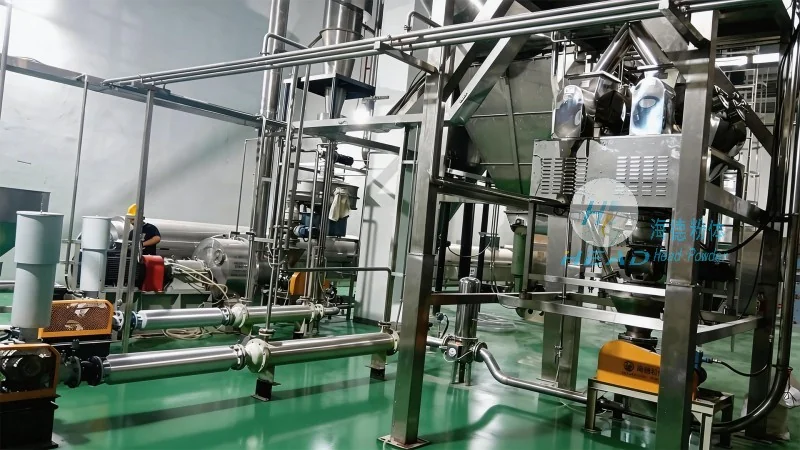
HeadPowder's Pneumatic Conveying Solutions for Polyethylene Styrene
Shandong HeadPowder Engineering Co., Ltd., headquartered in Shandong, China, specializes in designing and manufacturing advanced pneumatic conveying systems tailored to the demands of polyethylene styrene handling. Their solutions are engineered to overcome the inherent challenges of PS transportation, ensuring smooth, efficient, and safe operation. The company’s expertise lies in customizing systems that match the specific requirements of each application, whether it’s short-distance transport within a plant or long-distance transfer between facilities.
Key Features of HeadPowder's Pneumatic Conveying Systems
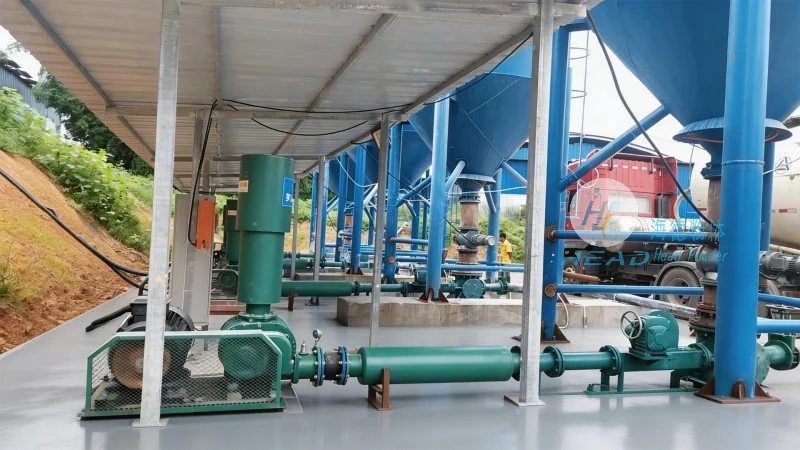
HeadPowder’s pneumatic conveying systems for polyethylene styrene incorporate several key features that enhance performance and reliability. First, the systems utilize positive pressure or negative pressure (or a combination of both) to move material through pipelines, ensuring consistent flow rates and preventing material degradation. The use of high-quality, corrosion-resistant materials, such as stainless steel or specialized plastics, protects against chemical interactions and ensures durability. Additionally, the systems are equipped with advanced control mechanisms that monitor pressure, flow, and temperature, allowing for real-time adjustments to maintain optimal conveying conditions.
Advantages of Pneumatic Conveying for Polyethylene Styrene
Compared to traditional mechanical conveying methods, HeadPowder’s pneumatic solutions offer several advantages for polyethylene styrene transport. One of the most significant benefits is the ability to handle fine powders without the risk of clogging or material loss. Pneumatic systems can transport PS over long distances with minimal pressure drop, reducing energy consumption and operational costs. Furthermore, the enclosed nature of pneumatic conveying minimizes dust emissions, improving workplace safety and compliance with environmental regulations. The systems also allow for easy integration with existing production lines, enabling seamless material transfer without disrupting workflow.
Customization and Application Flexibility
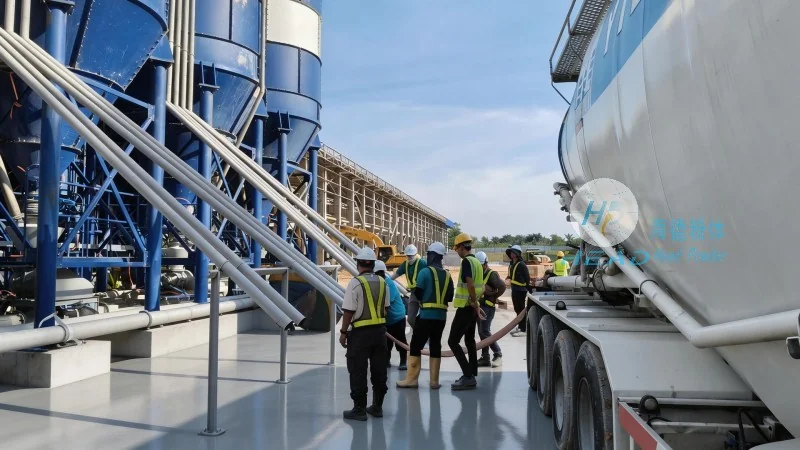
Shandong HeadPowder Engineering Co., Ltd. understands that each polyethylene styrene application has unique requirements. Therefore, their pneumatic conveying systems are highly customizable to meet specific needs. For example, the company can design systems with varying pipeline configurations (e.g., straight, curved, or vertical), material feed mechanisms (e.g., rotary valves, screw feeders), and control systems (e.g., PLC-based automation). This flexibility ensures that the conveying solution is optimized for the particular process, whether it involves high-volume production or low-volume, high-purity applications. The company’s engineering team works closely with clients to assess their operational needs, providing tailored solutions that enhance productivity and reduce downtime.
Conclusion: Choosing the Right Conveying Method for Polyethylene Styrene
In conclusion, the choice of polyethylene styrene conveying method significantly impacts the efficiency and safety of material handling operations. While traditional methods may struggle with the unique properties of PS, advanced pneumatic conveying systems, such as those offered by Shandong HeadPowder Engineering Co., Ltd., provide reliable, efficient, and cost-effective solutions. By leveraging specialized technology and customization, these systems address the challenges of PS transportation, ensuring smooth material flow and maintaining product quality. For businesses seeking to optimize their polyethylene styrene handling processes, HeadPowder’s pneumatic conveying solutions represent a superior choice, backed by years of industry expertise and commitment to quality.

 Công ty TNHH Kỹ thuật Công trình Bột Hải Đức Sơn Đông
 156-6277-7102(Quản lý Trương)
  0531-83386006
  Quận Chương Khâu, Thành phố Tế Nam, Tỉnh Sơn Đông, Trung Quốc
Điện thoại
WeChatTư vấn
Lên đầu