Công ty Hải Đức Bột với hơn 10 năm kinh nghiệm vận chuyển khí, cung cấp hệ thống‑thiết bị‑quạt gió và nhận dự án tổng thầu bột cả nước
When it comes to handling Polyurethane (PUR) materials in industrial applications, selecting the right conveying method is crucial for efficiency, safety, and overall process reliability. The choice of conveying system can significantly impact production throughput, material integrity, and operational costs. Among the various options available, pneumatic conveying stands out as a versatile and effective solution, especially for PUR powders and granules. This article explores common PUR conveying methods and highlights the key advantages of HeadPowder's PUR pneumatic conveying system, a leading solution in the industry.
Understanding Common PUR Conveying Methods
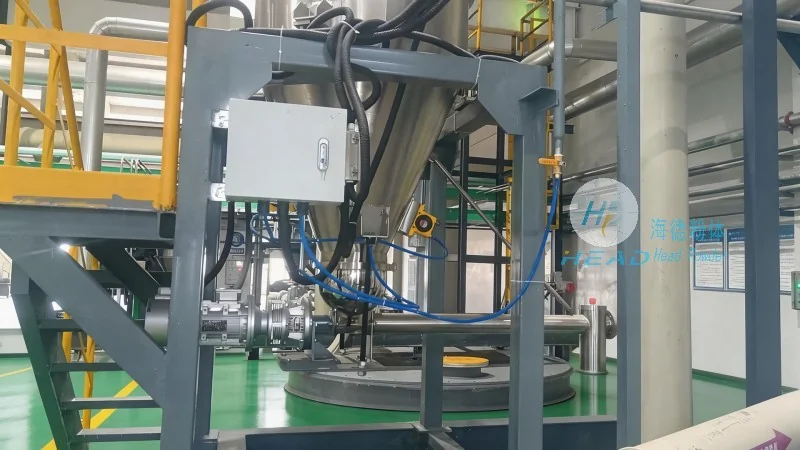
PUR materials, which include polyurethane resins, foams, and other related compounds, are widely used in manufacturing processes such as coating, molding, and insulation. The physical properties of PUR, such as their fine particle size, hygroscopic nature, and potential for dust generation, necessitate specialized conveying techniques to ensure safe and efficient material transport. Common PUR conveying methods can be broadly categorized into mechanical, pneumatic, and hybrid systems, each with its own set of advantages and limitations.
1. Mechanical Conveying Systems
Mechanical conveying methods rely on mechanical components like screws, belts, or chains to move PUR materials. These systems are often used for bulk handling of larger granules or pellets. For example, screw conveyors are commonly employed in horizontal or inclined applications, while belt conveyors are suitable for longer distances and larger volumes. Mechanical systems are generally low-cost and straightforward to install, making them a popular choice for many industries. However, they may face challenges with fine powders, as the risk of material bridging, clogging, and degradation is higher compared to pneumatic systems. Additionally, mechanical conveyors may not be suitable for materials that are hygroscopic or prone to dust, as they can lead to increased maintenance and operational issues.
2. Pneumatic Conveying Systems
Pneumatic conveying, on the other hand, uses air or other gases to transport PUR materials through a pipeline. This method is particularly effective for fine powders and granules, as it minimizes material degradation and dust exposure. Pneumatic systems can be further classified into pressure, vacuum, or mixed types, each tailored to specific application requirements. Pressure pneumatic systems use compressed air to push material through the pipeline, while vacuum systems use suction to draw material from the source. Mixed systems combine both pressure and vacuum principles for enhanced flexibility. The primary advantages of pneumatic conveying include high material transport rates, reduced labor costs, and improved safety due to enclosed systems that prevent dust contamination.
3. Hybrid Conveying Systems
Hybrid systems integrate mechanical and pneumatic components to leverage the benefits of both approaches. For instance, a screw conveyor might be used to feed a pneumatic system, or a pneumatic conveyor could be coupled with a mechanical discharge mechanism. These systems are often employed in complex production lines where multiple material handling tasks are required. While hybrid systems offer flexibility, they may also introduce additional complexity and maintenance requirements, making them more suitable for large-scale industrial applications.
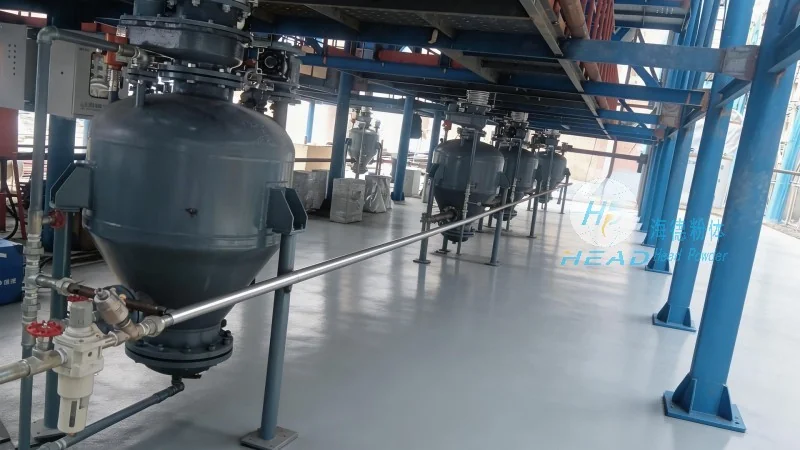
HeadPowder's PUR Pneumatic Conveying System: Key Advantages
HeadPowder Engineering Co., Ltd., a leading manufacturer based in Shandong, China, specializes in providing advanced pneumatic conveying solutions for PUR materials. The company's PUR pneumatic conveying system is designed to address the unique challenges associated with handling PUR powders and granules, offering superior performance and reliability compared to traditional methods. The system incorporates several key features that set it apart in the market:
1. High Efficiency and Material Transport Rates
HeadPowder's PUR pneumatic conveying system is engineered to achieve high material transport rates, ensuring efficient material handling even for fine PUR powders. The system utilizes optimized air flow and pipeline design to minimize pressure drop and maximize throughput. This efficiency translates into reduced production downtime and increased overall productivity, making it an ideal choice for high-volume manufacturing operations.
2. Material Integrity Preservation
One of the most significant advantages of pneumatic conveying is the ability to preserve the integrity of PUR materials. Unlike mechanical systems that can cause abrasion or degradation, pneumatic systems use air to gently transport materials, minimizing particle breakage and maintaining the desired physical properties. This is particularly important for PUR materials used in applications where particle size and uniformity are critical, such as in coating or molding processes. HeadPowder's system ensures that the material remains in its original state, enhancing product quality and performance.
3. Enhanced Safety and Environmental Protection
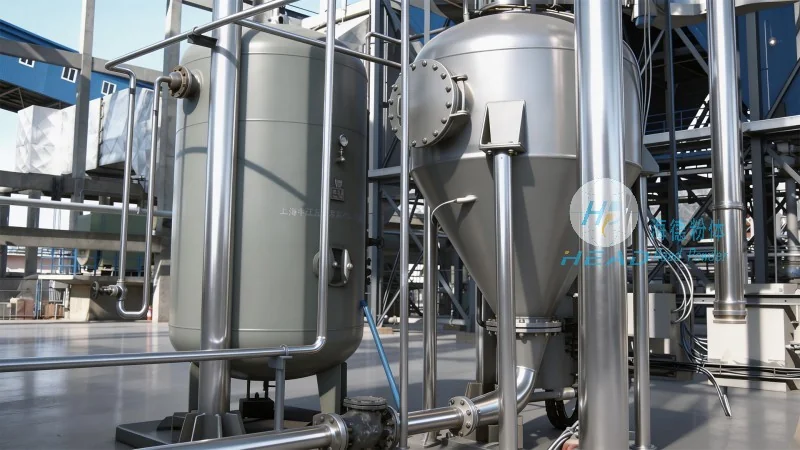
PUR materials can be hazardous due to their dust generation and potential for fire or explosion. HeadPowder's pneumatic conveying system addresses these safety concerns by using enclosed pipelines and positive pressure or vacuum control to prevent dust release into the environment. The system is designed to meet stringent safety standards, reducing the risk of accidents and ensuring compliance with environmental regulations. Additionally, the enclosed nature of the system minimizes exposure to personnel, improving workplace safety and reducing the need for additional protective measures.
4. Versatility and Customization
HeadPowder understands that different industrial applications have unique requirements. The company offers customizable pneumatic conveying solutions tailored to specific PUR material types, processing volumes, and operational conditions. Whether dealing with fine powders, coarse granules, or foams, the system can be adjusted to meet the specific needs of the application. This flexibility allows manufacturers to optimize their material handling processes and adapt to changing production demands without significant modifications to the system.
5. Low Maintenance and Longevity
HeadPowder's PUR pneumatic conveying system is built with high-quality components and materials to ensure long-term reliability and low maintenance costs. The system features durable pipelines, efficient air compressors, and advanced control systems that minimize wear and tear. Regular maintenance is simplified due to the system's modular design, allowing for easy inspection and replacement of components. This results in reduced downtime and lower operational costs over the system's lifespan.
Conclusion
In conclusion, the choice of PUR conveying method significantly impacts industrial efficiency and material quality. While mechanical and hybrid systems have their place, pneumatic conveying, particularly with advanced solutions like HeadPowder's system, offers superior performance and reliability for handling PUR materials. HeadPowder Engineering Co., Ltd., based in Shandong, China, provides a comprehensive range of pneumatic conveying solutions that address the unique challenges of PUR processing. By leveraging high efficiency, material integrity preservation, enhanced safety, and customization options, the company's system helps manufacturers optimize their production processes and achieve higher productivity. For industries dealing with PUR materials, investing in a reliable pneumatic conveying system like HeadPowder's is a strategic decision that can lead to improved operational performance and long-term success.

 Công ty TNHH Kỹ thuật Công trình Bột Hải Đức Sơn Đông
 156-6277-7102(Quản lý Trương)
  0531-83386006
  Quận Chương Khâu, Thành phố Tế Nam, Tỉnh Sơn Đông, Trung Quốc
Điện thoại
WeChatTư vấn
Lên đầu