Công ty Hải Đức Bột với hơn 10 năm kinh nghiệm vận chuyển khí, cung cấp hệ thống‑thiết bị‑quạt gió và nhận dự án tổng thầu bột cả nước
Wood powder, a widely used material in various industries such as woodworking, paper manufacturing, and chemical processing, requires efficient and reliable conveying methods to ensure smooth production processes. The choice of conveying system directly impacts operational efficiency, material quality, and environmental compliance. This article explores common wood powder conveying methods and highlights the advantages and features of HeadPowder's pneumatic conveying system, a leading solution from Shandong HeadPowder Engineering Co., Ltd., based in China.
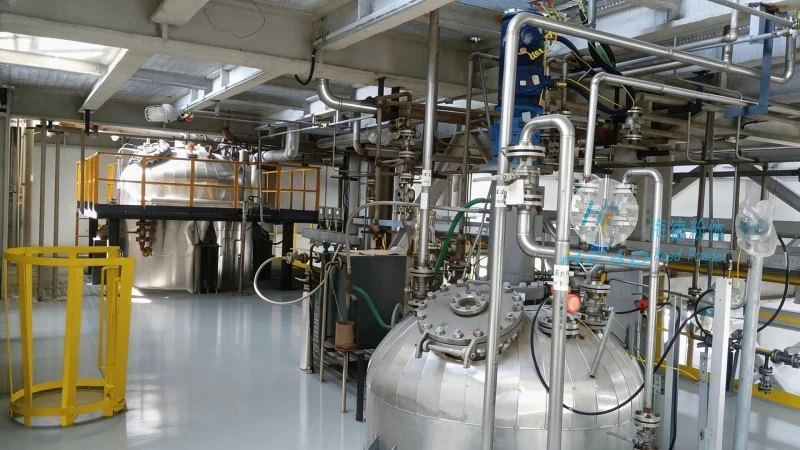
Overview of Common Wood Powder Conveying Methods
There are several conventional methods for transporting wood powder, each with its own set of advantages and limitations. The primary options include gravity-based systems, mechanical systems like belt conveyors and screw conveyors, and pneumatic systems. Understanding these methods helps in selecting the most suitable solution based on specific operational requirements, such as material characteristics, distance, and environmental considerations.
Gravity Conveying Systems
Gravity conveying relies on the natural downward movement of wood powder due to gravity. This method is typically used for short distances and when the material is free-flowing. It involves setting up chutes or inclined planes where the powder slides from one point to another. While simple and low-cost, gravity systems are limited by the need for a slope and are not suitable for long distances or when the material is not free-flowing. They also require careful design to prevent blockages and ensure consistent flow.
Mechanical Conveying Systems
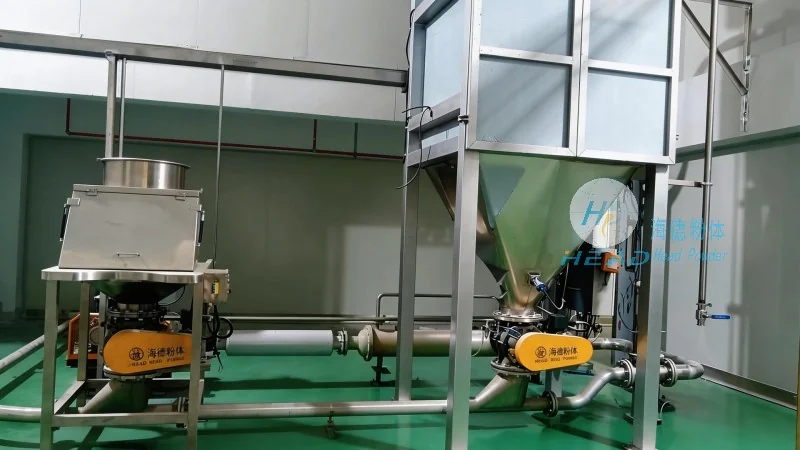
Mechanical systems, including belt conveyors and screw conveyors, are widely used in wood powder handling. Belt conveyors use a continuous belt to transport material horizontally or at a slight incline, making them suitable for moderate distances and varying material loads. Screw conveyors, on the other hand, use a rotating screw to push material forward, ideal for vertical or horizontal transport. These systems are generally reliable and can handle a wide range of materials. However, they have limitations in terms of material abrasiveness and dust generation, which can affect equipment life and environmental compliance.
Pneumatic Conveying Systems
Pneumatic conveying uses air or gas to transport wood powder through a pipeline. This method offers several advantages, including high efficiency, flexibility, and the ability to handle fine powders and abrasive materials. There are two main types of pneumatic conveying: pressure and vacuum systems. Pressure systems use compressed air to push material through the pipeline, while vacuum systems use suction to draw material in. Pneumatic systems are particularly effective for long-distance transport and can be integrated with other processing equipment, making them a popular choice in modern wood powder handling applications.
HeadPowder's Pneumatic Conveying System: Advantages and Features
Shandong HeadPowder Engineering Co., Ltd., a leading manufacturer based in China, specializes in providing advanced pneumatic conveying solutions tailored to the unique needs of wood powder handling. The company's system incorporates cutting-edge technology and design principles to deliver superior performance and reliability. Key advantages of HeadPowder's pneumatic conveying system include:
Efficient Material Transport
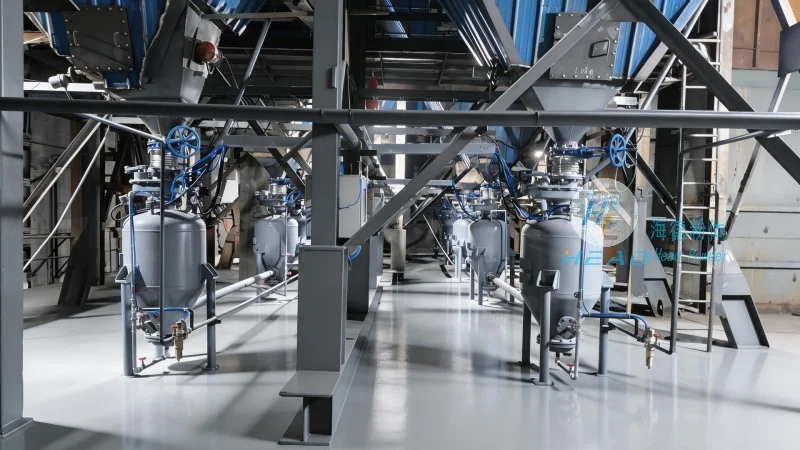
HeadPowder's pneumatic conveying system is engineered to achieve high transport efficiency, ensuring minimal material loss and consistent flow rates. The system uses optimized air flow and pipeline design to handle wood powder with minimal pressure drop, reducing energy consumption and operational costs. This efficiency is particularly beneficial for long-distance transport, where traditional methods may struggle to maintain material integrity.
Environmental Benefits
Unlike mechanical systems that can generate dust and noise, HeadPowder's pneumatic conveying system is designed to minimize environmental impact. The enclosed pipeline system prevents dust emissions, making it compliant with environmental regulations. Additionally, the system can be equipped with filtration and dust collection units to further enhance air quality and ensure a clean working environment. This feature is crucial for industries where dust control is a priority, such as woodworking and paper manufacturing.
Adaptability and Flexibility
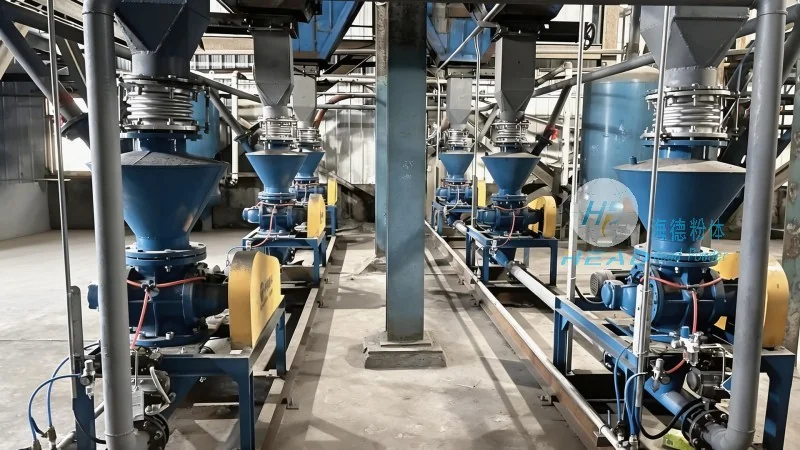
HeadPowder's pneumatic conveying system is highly adaptable, allowing for easy integration with existing production lines and modifications to accommodate changing operational needs. The system can handle a wide range of wood powder types, including fine powders, coarse particles, and mixtures with other materials. This flexibility makes it suitable for various applications, from raw material transport to finished product handling. The modular design of the system enables quick adjustments and maintenance, reducing downtime and increasing overall productivity.
Reliability and Durability
Constructed with high-quality materials and advanced manufacturing techniques, HeadPowder's pneumatic conveying system is built to withstand the rigors of continuous operation in wood powder handling environments. The components, such as pipelines, valves, and air compressors, are designed to resist abrasion and corrosion, ensuring long service life. The system also includes advanced monitoring and control features, allowing for real-time performance tracking and predictive maintenance. This reliability minimizes unexpected breakdowns and ensures consistent production output.
Conclusion
Choosing the right wood powder conveying method is critical for optimizing operational efficiency and ensuring compliance with environmental standards. While gravity and mechanical systems have their uses, pneumatic conveying, particularly from a reputable manufacturer like Shandong HeadPowder Engineering Co., Ltd., offers superior advantages in terms of efficiency, environmental impact, and adaptability. HeadPowder's pneumatic conveying system provides a reliable and effective solution for wood powder handling, helping businesses enhance productivity and maintain a competitive edge in their respective industries.

 Công ty TNHH Kỹ thuật Công trình Bột Hải Đức Sơn Đông
 156-6277-7102(Quản lý Trương)
  0531-83386006
  Quận Chương Khâu, Thành phố Tế Nam, Tỉnh Sơn Đông, Trung Quốc
Điện thoại
WeChatTư vấn
Lên đầu