Công ty Hải Đức Bột với hơn 10 năm kinh nghiệm vận chuyển khí, cung cấp hệ thống‑thiết bị‑quạt gió và nhận dự án tổng thầu bột cả nước
Bentonite, a versatile clay mineral widely used in various industrial applications such as drilling fluids, foundry sands, and environmental remediation, requires efficient and reliable transport methods to maintain its quality and functionality. Traditional conveying systems often face challenges like material degradation, blockages, and high maintenance costs. This article explores common bentonite conveying methods and highlights the advantages of HeadPowder's pneumatic conveying solutions.
Traditional Bentonite Conveying Methods
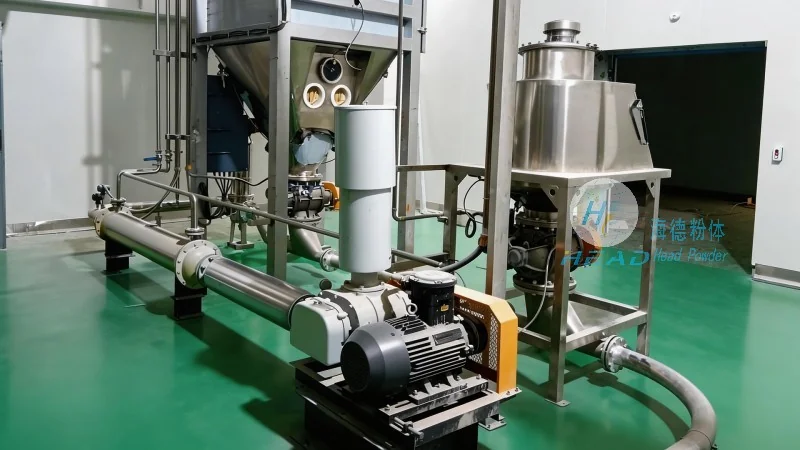
Several conventional methods are used for bentonite transport, each with its own set of advantages and limitations. One of the most common is the belt conveyor, which uses a continuous belt to move material from one point to another. While effective for bulk materials, belt conveyors can experience issues with material buildup and wear, especially when handling fine or abrasive bentonite particles. Another traditional method is the screw conveyor, which uses a rotating screw to push material forward. Screw conveyors are suitable for horizontal or slightly inclined transport but may struggle with high-capacity or sticky bentonite, leading to clogging and reduced efficiency.
Advantages of HeadPowder's Pneumatic Conveying System
HeadPowder Engineering Co., Ltd., a leading provider of industrial conveying solutions based in Shandong, China, offers advanced pneumatic conveying systems tailored for bentonite transport. The company's pneumatic conveying technology provides several key advantages over traditional methods. First, it ensures minimal material degradation by using low-pressure air to gently move particles, preserving the bentonite's properties and effectiveness. Second, the system is highly efficient, capable of handling high volumes with minimal energy consumption. Third, it offers excellent flexibility, allowing for vertical, horizontal, or complex path transport without the need for multiple components. Additionally, the pneumatic system reduces maintenance costs and operational downtime by eliminating moving parts that can cause wear and tear.
Key Features of HeadPowder's Pneumatic Conveying Solutions
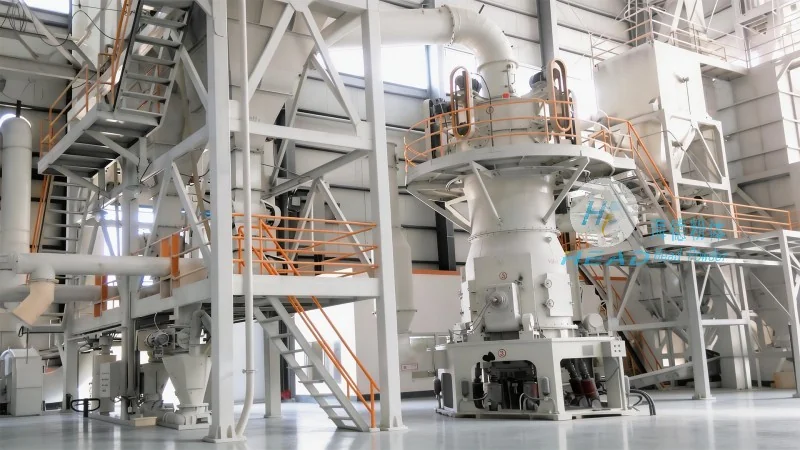
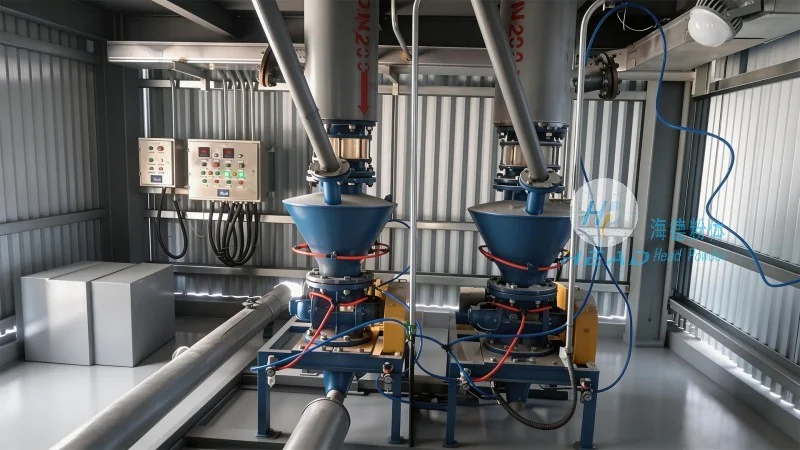
HeadPowder's pneumatic conveying systems are designed with specific features to optimize bentonite transport. The system utilizes a combination of positive and negative pressure zones to control material flow, ensuring smooth and consistent delivery. The equipment includes high-quality materials and components, such as stainless steel or corrosion-resistant parts, to withstand the chemical properties of bentonite and prevent contamination. The company also offers customizable solutions, allowing clients to adjust the system based on their specific needs, including capacity, pressure, and layout. Furthermore, the system is equipped with advanced monitoring and control features, enabling real-time tracking of material flow and system performance. This allows for quick adjustments and troubleshooting, minimizing operational disruptions.
Conclusion: Choosing the Right Bentonite Conveying Solution
When selecting a bentonite conveying method, it is essential to consider factors such as material properties, transport distance, and operational efficiency. Traditional methods like belt and screw conveyors may be suitable for some applications, but they often fall short in terms of reliability and cost-effectiveness. HeadPowder's pneumatic conveying system provides a superior alternative, offering enhanced performance, reduced maintenance, and improved material handling. By leveraging advanced technology and tailored solutions, HeadPowder Engineering Co., Ltd. helps industries maintain the quality of bentonite while optimizing their conveying processes. For businesses seeking efficient and reliable bentonite transport, HeadPowder's pneumatic conveying solutions are a proven choice.

 Công ty TNHH Kỹ thuật Công trình Bột Hải Đức Sơn Đông
 156-6277-7102(Quản lý Trương)
  0531-83386006
  Quận Chương Khâu, Thành phố Tế Nam, Tỉnh Sơn Đông, Trung Quốc
Điện thoại
WeChatTư vấn
Lên đầu