Công ty Hải Đức Bột với hơn 10 năm kinh nghiệm vận chuyển khí, cung cấp hệ thống‑thiết bị‑quạt gió và nhận dự án tổng thầu bột cả nước
Wool processing is a critical stage in the textile industry, where efficient material handling directly impacts production efficiency and product quality. Among various conveying methods used for wool, pneumatic conveying stands out as a modern and effective solution. This article explores common wool conveying methods and highlights the advantages and features of HeadPowder's pneumatic wool conveying system, a leading technology in the field.
Overview of Common Wool Conveying Methods
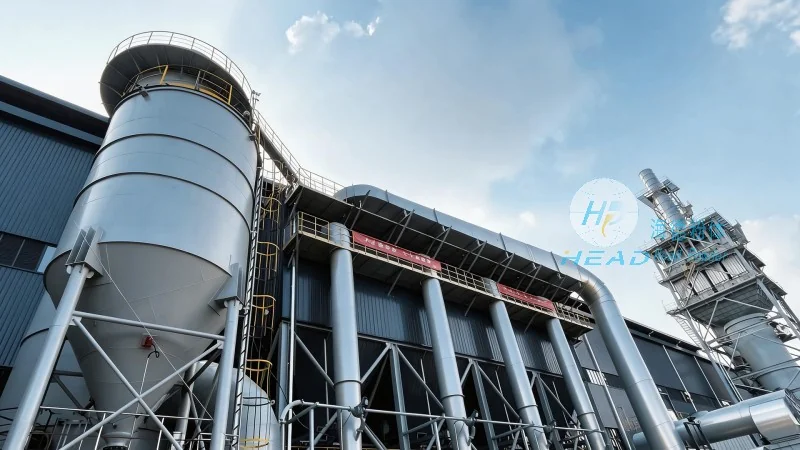
Traditional wool conveying methods have evolved over time to meet the demands of modern textile manufacturing. The primary methods include gravity-based systems, mechanical conveyors, and pneumatic (air-assisted) systems. Each method has its own set of applications, advantages, and limitations.
Gravity Conveying Systems
Gravity conveying relies on the natural force of gravity to move wool from one point to another. This method typically involves inclined chutes or hoppers that allow wool to slide down under the influence of gravity. While simple and low-cost, gravity systems are limited by the need for a suitable slope and are often unsuitable for long distances or complex layouts. They are best suited for short-distance transfers in environments where the wool is relatively dry and free-flowing.
Mechanical Conveying Systems
Mechanical conveyors, such as belt conveyors, screw conveyors, and chain conveyors, use mechanical components to transport wool. These systems are robust and can handle a wide range of wool types and moisture levels. However, they require regular maintenance and can be prone to wear and tear, especially when dealing with abrasive or sticky wool fibers. Mechanical conveyors are effective for horizontal or slightly inclined transfers but may struggle with vertical lifts or complex routing.
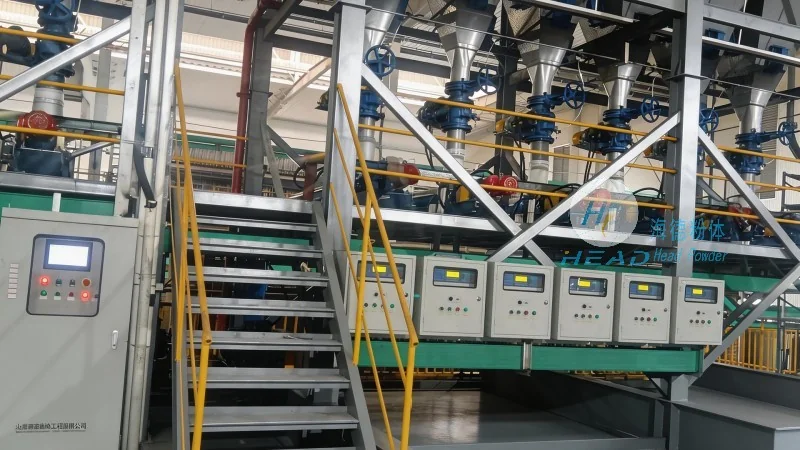
Pneumatic Conveying Systems
Pneumatic conveying, also known as air-assisted conveying, uses compressed air to transport wool particles through a pipeline. This method offers several advantages over traditional systems, including high efficiency, flexibility, and the ability to handle fine or dusty wool without causing contamination. Pneumatic systems can be designed for both low and high-pressure applications, making them versatile for various industrial settings.
HeadPowder's Pneumatic Wool Conveying System: Advantages and Features
HeadPowder, a leading manufacturer of material handling equipment, specializes in developing advanced pneumatic conveying solutions tailored for the wool industry. The company's system is designed to address the unique challenges of wool processing, such as fiber fragility, moisture content, and the need for hygienic handling. Key advantages of HeadPowder's pneumatic wool conveying system include:
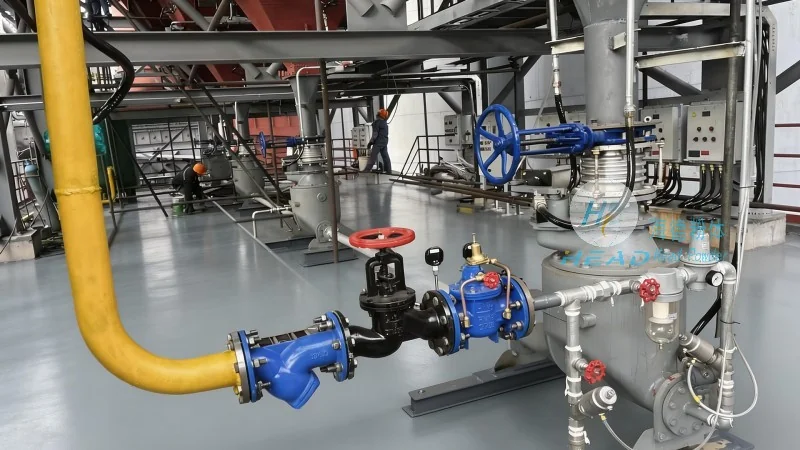
Efficient Material Transfer: The system utilizes high-pressure air to move wool quickly and efficiently, reducing transfer times and increasing overall production throughput.
Low Maintenance: With fewer moving parts compared to mechanical systems, HeadPowder's pneumatic conveyors require minimal maintenance, lowering operational costs and downtime.
Hygienic and Clean Operation: The enclosed pipeline design prevents contamination from external sources and minimizes dust emissions, ensuring compliance with industry hygiene standards.
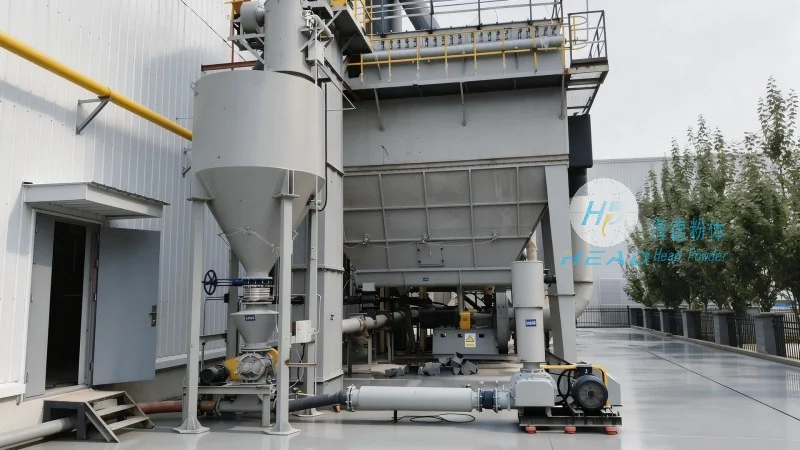
Flexibility and Scalability: The system can be easily configured and expanded to accommodate changing production needs, with modular components that allow for customization.
Energy Efficiency: Advanced air compression and flow control technologies optimize energy usage, reducing operational expenses while maintaining performance.
Application Examples and Performance
HeadPowder's pneumatic wool conveying system has been successfully implemented in various wool processing facilities across China. For instance, in a large-scale spinning mill, the system replaced traditional mechanical conveyors, resulting in a 30% reduction in transfer time and a 20% decrease in maintenance costs. The enclosed design also improved workplace safety by eliminating dust-related hazards.
Conclusion
While gravity and mechanical conveying methods remain relevant for certain applications, pneumatic conveying offers superior performance and flexibility for modern wool processing. HeadPowder's pneumatic wool conveying system stands out as a reliable and efficient solution, combining advanced technology with robust engineering to meet the demands of the textile industry. With its focus on quality and innovation, Shandong HeadPowder Engineering Co., Ltd. continues to lead the way in providing tailored material handling solutions for the wool sector.

 Công ty TNHH Kỹ thuật Công trình Bột Hải Đức Sơn Đông
 156-6277-7102(Quản lý Trương)
  0531-83386006
  Quận Chương Khâu, Thành phố Tế Nam, Tỉnh Sơn Đông, Trung Quốc
Điện thoại
WeChatTư vấn
Lên đầu