Công ty Hải Đức Bột với hơn 10 năm kinh nghiệm vận chuyển khí, cung cấp hệ thống‑thiết bị‑quạt gió và nhận dự án tổng thầu bột cả nước
Resin sand, a critical material in foundry production, requires efficient and reliable conveying methods to ensure smooth workflow and high-quality casting. The choice of conveying system directly impacts production efficiency, material handling costs, and overall plant safety. Among the various options available, pneumatic conveying stands out as a preferred method for resin sand due to its ability to handle abrasive materials and maintain low contamination levels. This article explores common resin sand conveying methods and highlights the advantages of HeadPowder's pneumatic conveying system, a leading solution in the industry.
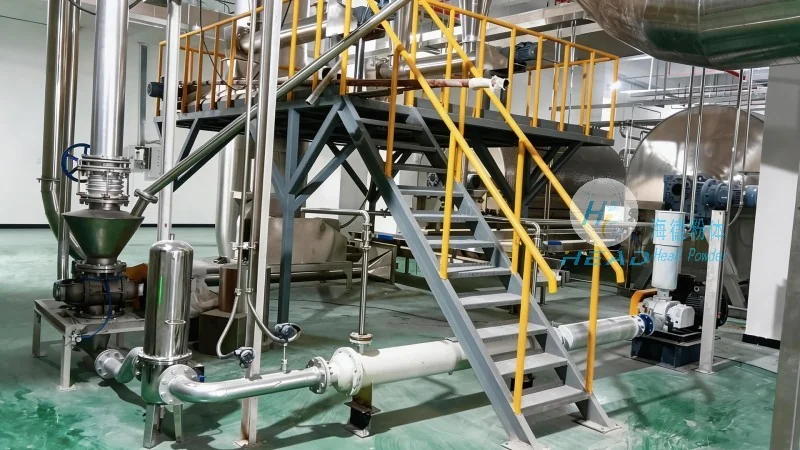
Overview of Common Resin Sand Conveying Methods
Resin sand is typically transported using several methods, each with distinct characteristics and applications. The primary methods include:
Gravity Conveying: Relies on the natural flow of sand due to gravity, often using chutes or hoppers. This method is simple and cost-effective but has limitations in terms of distance and elevation changes, making it suitable only for short-distance, low-volume applications.
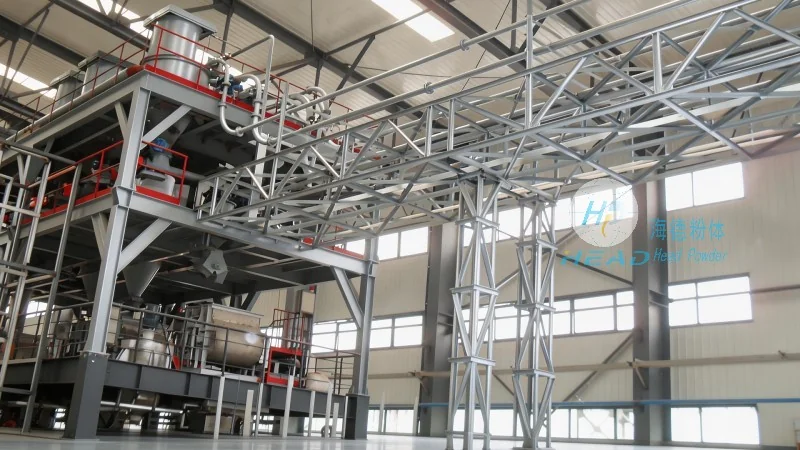
Pneumatic Conveying: Utilizes air pressure to move sand through a pipeline system. This method offers flexibility in layout, high transport capacity, and the ability to handle abrasive materials without significant wear. It is widely used in large-scale foundries and is considered the most efficient for long-distance and high-volume resin sand transport.
Mechanical Conveying: Involves the use of equipment such as belt conveyors, screw conveyors, or bucket elevators. While effective for certain applications, mechanical systems may suffer from higher maintenance costs and increased risk of material contamination due to friction and contact with metal surfaces.
Advantages of HeadPowder's Pneumatic Conveying System
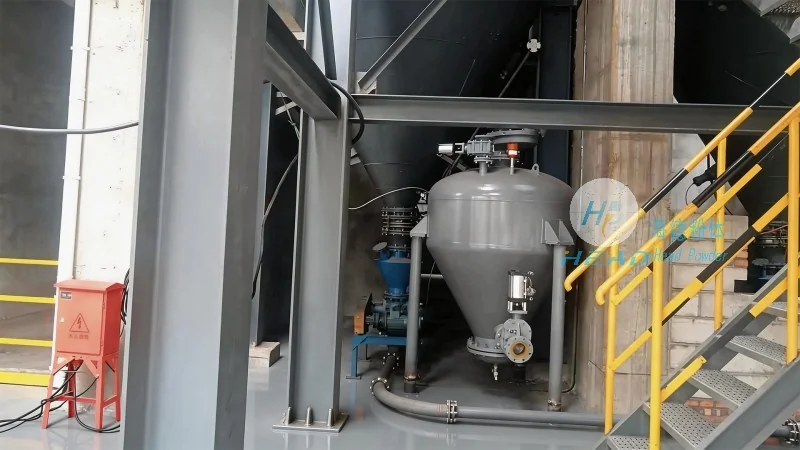
HeadPowder, a renowned manufacturer based in Shandong, China, specializes in providing advanced pneumatic conveying solutions tailored to the needs of the foundry industry. Their system is designed to address the unique challenges of resin sand handling, offering several key advantages:
High Efficiency and Capacity: The pneumatic conveying system from HeadPowder is engineered to handle large volumes of resin sand with minimal pressure drop, ensuring consistent and reliable transport. This high capacity reduces downtime and increases overall production throughput.
Low Contamination and Material Integrity: Unlike mechanical systems that may introduce contaminants through friction or contact, the pneumatic system uses enclosed pipelines and air pressure to maintain the purity of the resin sand. This is crucial for maintaining the quality of the final casting products.
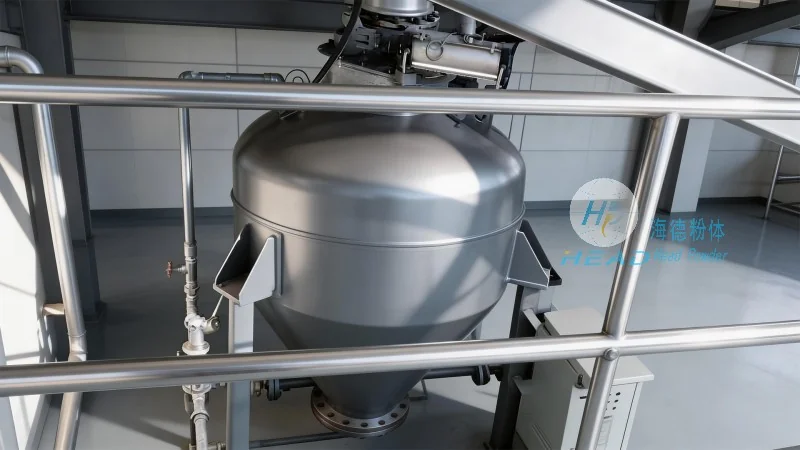
Flexibility in Layout: The modular design of HeadPowder's system allows for easy integration into existing foundry layouts. It can be configured to handle multiple points of loading and unloading, adapting to the specific needs of different production lines without the need for extensive reconfiguration.
Energy Efficiency: Advanced control systems and optimized pipeline designs contribute to lower energy consumption compared to traditional mechanical conveying methods. This not only reduces operational costs but also aligns with sustainability goals in the manufacturing sector.
Enhanced Safety: By eliminating the need for manual handling of resin sand, the pneumatic system minimizes the risk of dust exposure and physical injuries. The enclosed system also reduces the risk of fire hazards associated with fine powders, providing a safer working environment for plant personnel.
Conclusion
When selecting a resin sand conveying method, foundries must consider factors such as material properties, production scale, and operational efficiency. While gravity and mechanical systems have their place, pneumatic conveying, particularly from a trusted provider like HeadPowder, offers superior performance and reliability. The advantages of HeadPowder's system, including high capacity, low contamination, and flexibility, make it an ideal choice for modern foundries aiming to enhance productivity and maintain product quality. With a strong presence in Shandong, China, HeadPowder continues to lead the industry in providing innovative solutions that meet the evolving needs of the foundry sector.

 Công ty TNHH Kỹ thuật Công trình Bột Hải Đức Sơn Đông
 156-6277-7102(Quản lý Trương)
  0531-83386006
  Quận Chương Khâu, Thành phố Tế Nam, Tỉnh Sơn Đông, Trung Quốc
Điện thoại
WeChatTư vấn
Lên đầu