Công ty Hải Đức Bột với hơn 10 năm kinh nghiệm vận chuyển khí, cung cấp hệ thống‑thiết bị‑quạt gió và nhận dự án tổng thầu bột cả nước
When it comes to handling coffee beans efficiently in processing facilities, selecting the right conveying method is crucial. The choice of system impacts not only operational efficiency but also the quality and integrity of the coffee beans. Among the various options available, pneumatic conveying stands out as a preferred solution for many coffee producers and processors. This article explores common coffee bean conveying methods and highlights the advantages and features of HeadPowder's pneumatic conveying system, a leader in the industry.
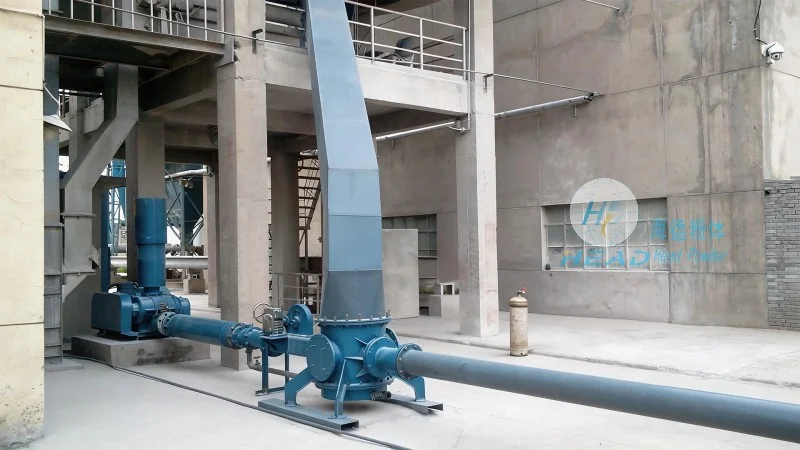
Introduction to Coffee Bean Conveying Methods
Conveying coffee beans from one stage of processing to another—such as from storage silos to roasters, or from roasting machines to packaging lines—requires systems that can handle the unique characteristics of coffee beans. These characteristics include their irregular shape, varying moisture content, and susceptibility to breakage or dust generation. Traditional methods like belt conveyors or bucket elevators may struggle with these challenges, leading to issues like product degradation or increased maintenance costs. Understanding the different conveying technologies available helps in making an informed decision that aligns with production goals and quality standards.
Pneumatic Conveying: The Core Technology
Pneumatic conveying uses air or gas to transport bulk materials like coffee beans through a pipeline system. This method can be categorized into two main types: pressure and vacuum systems. Pressure systems force air and material through the pipeline using positive pressure, while vacuum systems create a negative pressure to draw material into the system. Both types offer advantages in terms of flexibility, cleanliness, and ability to handle fine particles or fragile products. For coffee beans, pneumatic conveying is particularly effective because it minimizes physical contact, reducing the risk of bruising or contamination. The system can also be designed to handle varying capacities and distances, making it adaptable to different production scales.
Advantages of HeadPowder's Pneumatic Conveying System for Coffee Beans
HeadPowder, a leading manufacturer of industrial conveying equipment, specializes in developing customized pneumatic systems tailored to the needs of coffee processing facilities. Their systems are engineered to address the specific challenges of coffee bean handling, ensuring optimal performance and product quality. Key advantages of HeadPowder's pneumatic conveying system include:
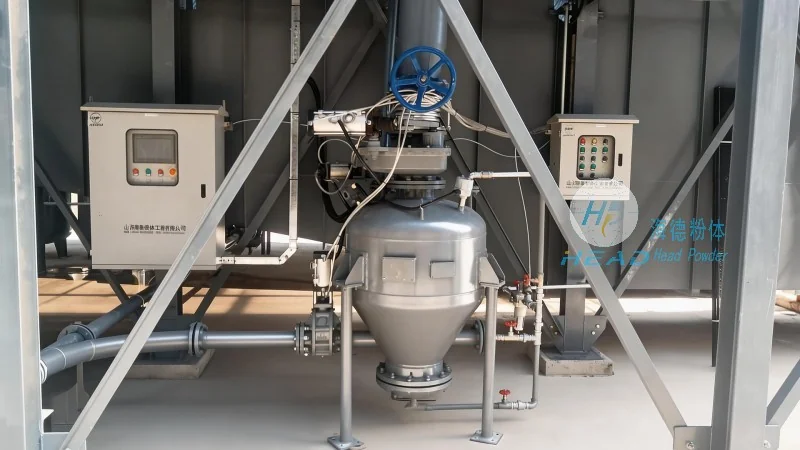
Hygienic and Clean Operation: The enclosed pipeline design prevents contamination from external sources, which is critical in food processing environments. This feature helps maintain compliance with food safety regulations and ensures the final product meets quality standards.
Reduced Product Damage: By using air to move beans rather than mechanical components, the system minimizes physical stress on the beans. This reduces the risk of breakage, which can affect the final coffee's flavor and texture. The gentle handling also preserves the bean's integrity, contributing to a better tasting product.
Energy Efficiency: Modern pneumatic systems are designed to be energy-efficient, using less power compared to traditional mechanical conveyors. This not only reduces operational costs but also aligns with sustainability goals in the coffee industry.
Flexibility and Scalability: HeadPowder's systems can be easily integrated into existing production lines or expanded as production needs grow. The modular design allows for customization, including different pipeline configurations, material handling capacities, and control systems to meet specific requirements.
Low Maintenance: The absence of moving parts in the conveying line reduces wear and tear, leading to lower maintenance costs and longer system lifespans. This reliability is essential for continuous production in coffee processing facilities.
Key Features and Technical Specifications
HeadPowder's pneumatic conveying systems for coffee beans are equipped with several key features that enhance performance and user experience. These include:
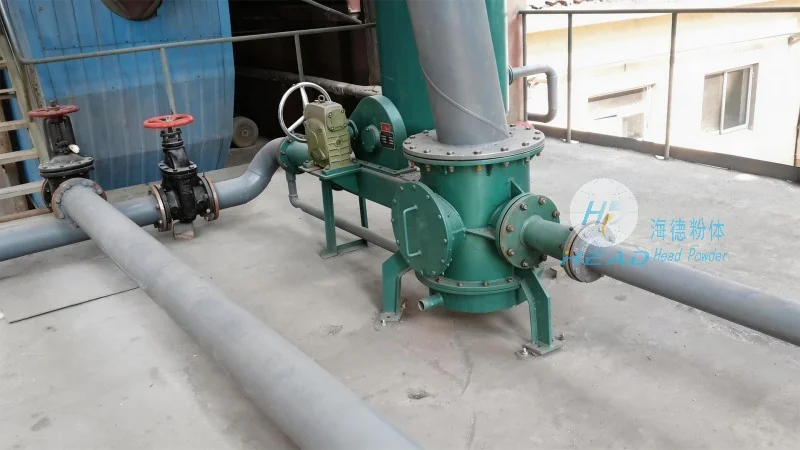
Advanced Control Systems: Integrated control panels allow for precise monitoring and adjustment of conveying parameters, such as air pressure, flow rate, and material feed. This ensures consistent operation and helps prevent issues like overloading or under-conveying.
Material Handling Capacity: Systems are available in various capacities, ranging from small-scale operations to large industrial facilities. This flexibility allows coffee processors to choose a system that matches their production volume, ensuring optimal throughput without excess energy consumption.
Customizable Pipeline Design: The pipeline can be designed to follow the layout of the processing facility, minimizing the need for additional space or structural modifications. This adaptability is particularly useful in existing plants where space is limited.
Integration with Roasting and Packaging Equipment: The system can be seamlessly integrated with other processing equipment, such as roasters, coolers, and packaging machines. This integration streamlines the production process, reducing downtime and improving overall efficiency.
Practical Applications and Case Studies
HeadPowder's pneumatic conveying systems have been successfully implemented in various coffee processing facilities worldwide. For example, a medium-sized coffee roasting company in China adopted HeadPowder's system to replace their old belt conveyor. The new system reduced product breakage by 30% and lowered energy consumption by 20% compared to the previous setup. Another case involved a large coffee bean processing plant in Brazil, where the system was used to transport roasted beans from roasters to packaging lines over a distance of 100 meters. The system's efficiency and reliability helped the plant meet its production targets while maintaining high product quality.
Conclusion: Choosing the Right Conveying Solution for Coffee Processing
When selecting a coffee bean conveying method, it is essential to consider factors such as product characteristics, production scale, and operational requirements. While traditional methods may be suitable for small operations, pneumatic conveying offers significant advantages for larger and more complex coffee processing facilities. HeadPowder's pneumatic conveying system, with its focus on hygiene, efficiency, and customization, provides a reliable solution that meets the needs of modern coffee producers. By investing in the right conveying technology, coffee processors can enhance operational efficiency, protect product quality, and stay competitive in the global market.

 Công ty TNHH Kỹ thuật Công trình Bột Hải Đức Sơn Đông
 156-6277-7102(Quản lý Trương)
  0531-83386006
  Quận Chương Khâu, Thành phố Tế Nam, Tỉnh Sơn Đông, Trung Quốc
Điện thoại
WeChatTư vấn
Lên đầu