Công ty Hải Đức Bột với hơn 10 năm kinh nghiệm vận chuyển khí, cung cấp hệ thống‑thiết bị‑quạt gió và nhận dự án tổng thầu bột cả nước
When it comes to transporting sodium hydroxide (NaOH), also known as caustic soda, selecting the right conveying method is crucial for efficiency, safety, and cost-effectiveness. Various options are available, each with its own set of advantages and limitations. This article explores common sodium hydroxide conveying methods and highlights the superior features of HeadPowder's pneumatic conveying system, a leading solution in the industry.
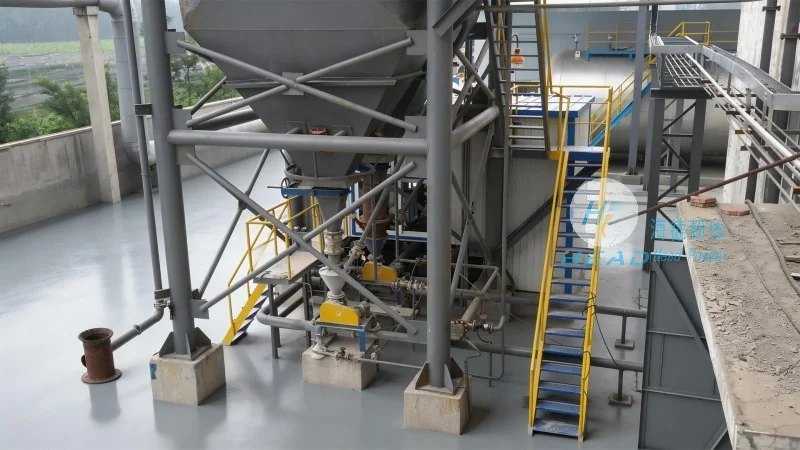
Overview of Common Sodium Hydroxide Conveying Methods
Sodium hydroxide is widely used in industries such as chemical manufacturing, paper production, and water treatment. Its handling requires careful consideration due to its caustic nature and potential for dust generation. Traditional conveying methods include gravity flow, mechanical systems like screw conveyors and belt conveyors, and pneumatic systems. Each method has distinct characteristics that make it suitable for different applications and operational environments.
Gravity Conveying: Limitations and Practicality
Gravity conveying relies on the natural downward movement of material under the influence of gravity. While simple in design, this method is often limited by the layout of the facility and the need for a suitable slope. For sodium hydroxide, which may be in solid or liquid form, gravity flow can be challenging due to its viscosity and the risk of clogging in vertical or inclined pipes. Additionally, gravity systems may not be suitable for long-distance or complex route requirements, as the slope must be maintained consistently to ensure smooth flow. This limitation makes gravity conveying less practical for many industrial applications, especially when dealing with bulk quantities of caustic soda.
Mechanical Conveying: Efficiency and Control
Mechanical conveying systems, including screw conveyors, belt conveyors, and bucket elevators, offer more control over the material flow compared to gravity methods. These systems are widely used in various industries for their ability to handle different materials and provide consistent throughput. However, mechanical conveyors for sodium hydroxide face challenges such as wear and tear from the caustic nature of the material, increased maintenance costs, and potential for material buildup or blockages. The mechanical components are also more complex, requiring regular inspection and maintenance to ensure reliable operation. Furthermore, the risk of dust generation and the need for proper sealing in mechanical systems add to the operational complexities, making them less ideal for some applications.
Pneumatic Conveying: Advantages and Applications
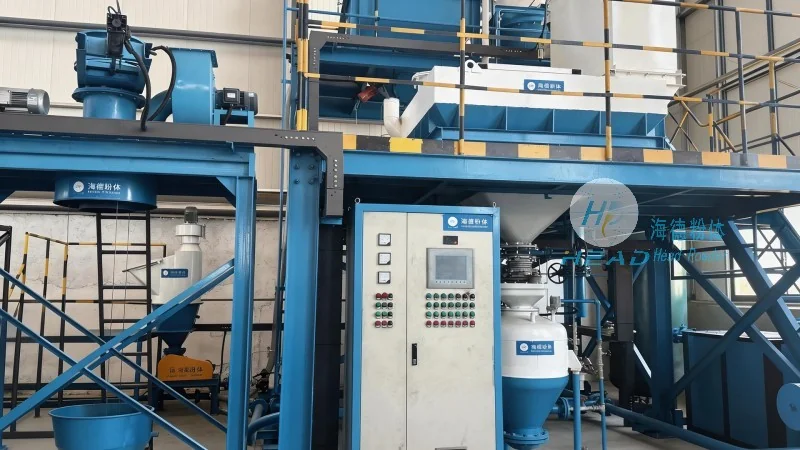
Pneumatic conveying, or air-powered conveying, uses a stream of air to transport materials through a pipeline. This method is particularly effective for handling sodium hydroxide due to its ability to move bulk materials over long distances with minimal maintenance. HeadPowder's pneumatic conveying system is designed to address the unique challenges of caustic soda transportation, offering several key advantages that set it apart from traditional methods.
HeadPowder's Pneumatic Conveying System: Key Advantages
HeadPowder, a leading manufacturer based in Shandong, China, specializes in developing advanced pneumatic conveying solutions tailored to the needs of the chemical industry. The company's system incorporates several innovative features that enhance the efficiency and safety of sodium hydroxide transportation. One of the primary advantages is the ability to handle both solid and liquid forms of sodium hydroxide, providing flexibility in processing. The system uses high-efficiency air compressors and specialized pipelines to ensure consistent flow rates and minimal pressure loss, even over long distances.
Enhanced Safety and Environmental Control
Another critical advantage of HeadPowder's pneumatic conveying system is its superior safety features. The enclosed pipeline design effectively prevents dust exposure and cross-contamination, reducing the risk of respiratory issues and other health hazards associated with handling caustic soda. The system also includes advanced filtration and dust collection mechanisms to ensure compliance with environmental regulations and maintain a clean working environment. This focus on safety makes the system ideal for facilities where worker protection and environmental sustainability are top priorities.
Efficiency and Cost-Effectiveness
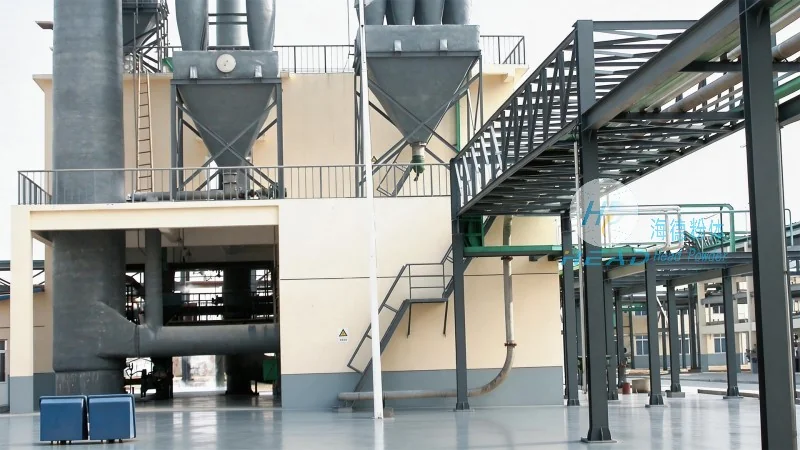
HeadPowder's pneumatic conveying system is engineered for high efficiency and cost-effectiveness. The use of air as the primary transport medium reduces the need for mechanical components, leading to lower maintenance costs and longer equipment lifespan. The system's ability to handle large volumes of sodium hydroxide in a continuous flow minimizes downtime and increases overall productivity. Additionally, the compact design of the system allows for easier integration into existing facilities, reducing installation time and costs. These factors contribute to a lower total cost of ownership compared to traditional mechanical or gravity conveying methods.
Customization and Scalability
HeadPowder understands that different industrial applications have unique requirements. The company offers customizable pneumatic conveying solutions that can be tailored to specific operational needs, including varying material types, flow rates, and distance requirements. The system is designed to be scalable, allowing it to grow with the needs of the facility as production volumes increase. This flexibility ensures that clients can invest in a solution that meets their current and future needs, without the need for costly upgrades or replacements.
Conclusion: Choosing the Right Conveying Method
When selecting a sodium hydroxide conveying method, it is essential to consider factors such as material properties, operational requirements, and safety considerations. While gravity and mechanical conveying methods have their place, pneumatic conveying, particularly from HeadPowder, offers a superior solution for many applications. The advantages of HeadPowder's system, including enhanced safety, efficiency, and customization, make it an ideal choice for industries dealing with caustic soda. By choosing the right conveying method, companies can improve operational efficiency, reduce costs, and ensure a safer working environment for their employees.

 Công ty TNHH Kỹ thuật Công trình Bột Hải Đức Sơn Đông
 156-6277-7102(Quản lý Trương)
  0531-83386006
  Quận Chương Khâu, Thành phố Tế Nam, Tỉnh Sơn Đông, Trung Quốc
Điện thoại
WeChatTư vấn
Lên đầu