Công ty Hải Đức Bột với hơn 10 năm kinh nghiệm vận chuyển khí, cung cấp hệ thống‑thiết bị‑quạt gió và nhận dự án tổng thầu bột cả nước
When it comes to transporting cement, fly ash, and mineral powders, selecting the right conveying method is crucial for efficiency, cost-effectiveness, and operational safety. Various options are available, each with its own set of advantages and limitations. This article explores common conveying methods and highlights the superior features of HeadPowder's pneumatic conveying system, a leading solution in the industry.
Overview of Common Conveying Methods for Cement, Fly Ash, and Mineral Powders
Conveying these materials involves moving them from one location to another within industrial processes. The primary methods include gravity flow, mechanical conveying (such as belt conveyors, screw conveyors, and bucket elevators), and pneumatic conveying. Each method has distinct characteristics that make it suitable for different applications and material properties.
Gravity Flow Conveying
Gravity flow, or bulk material handling via inclined chutes, relies on the natural weight of the material to move it downward. This method is simple and low-cost for short distances and materials with sufficient flowability. However, it is limited by the need for a steep incline and is not suitable for vertical or long horizontal distances. Additionally, it may cause dust issues and is less effective for fine powders that tend to settle or clog the chute.
Mechanical Conveying Systems
Mechanical conveying uses machinery like belt conveyors, screw conveyors, and bucket elevators to transport materials. Belt conveyors are widely used for bulk materials over moderate distances, while screw conveyors are ideal for handling cohesive or sticky powders. Bucket elevators are effective for vertical transport but can be noisy and require regular maintenance. These systems are generally reliable but may suffer from wear and tear, leading to increased maintenance costs and potential downtime.
Pneumatic Conveying: The Preferred Solution for Fine Powders
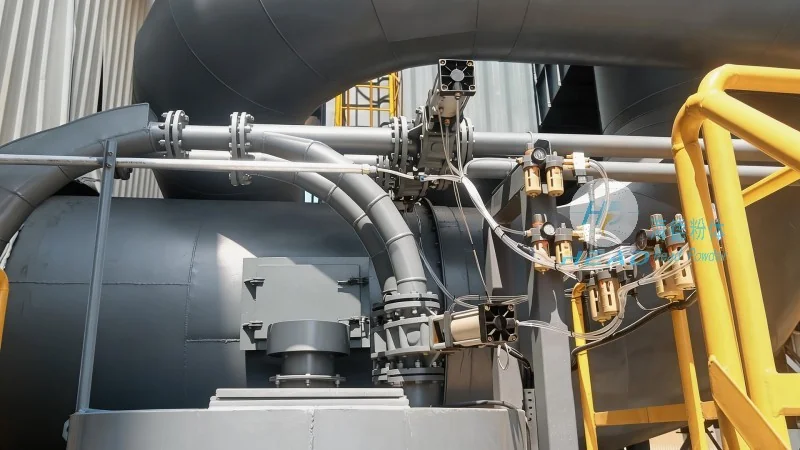
Pneumatic conveying, also known as air conveying, uses a stream of air to transport materials through pipes. This method is particularly effective for fine powders like cement and fly ash, as it can handle high volumes with minimal dust generation. The system typically consists of a blower, a hopper for material storage, and a pipeline network. The air flow can be positive (air pushing the material) or negative (air pulling the material), with positive pressure being more common for long-distance and high-volume applications.
Advantages of HeadPowder's Pneumatic Conveying System
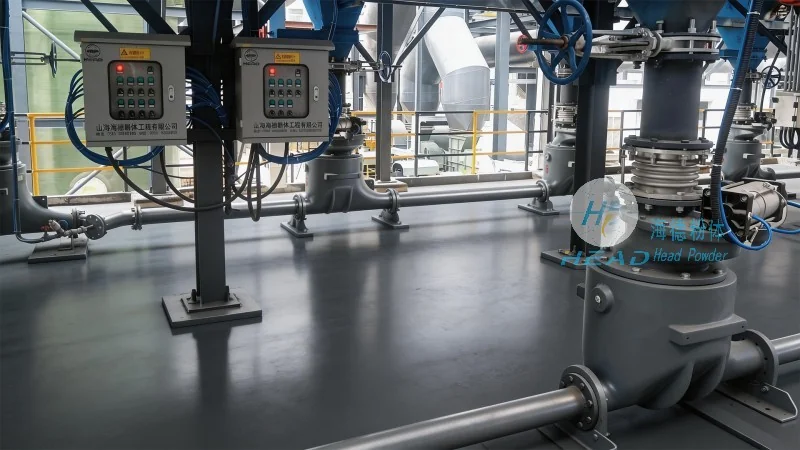
HeadPowder, a professional manufacturer based in Shandong, China, offers advanced pneumatic conveying systems tailored for cement, fly ash, and mineral powders. The company's solutions are designed to address the unique challenges of handling these materials, ensuring efficient and reliable transport. Key advantages include:
1. High Efficiency and Capacity
HeadPowder's pneumatic conveying systems are engineered to handle large volumes of material with high efficiency. The use of positive pressure and optimized pipeline design allows for consistent flow rates, reducing downtime and increasing overall productivity. This is particularly beneficial in industrial settings where continuous material transport is essential.
2. Minimal Dust and Environmental Impact
Unlike mechanical conveying methods, pneumatic systems effectively contain dust within the pipeline, minimizing environmental pollution and health risks for workers. The enclosed system prevents dust from escaping into the air, making it a more environmentally friendly option. This is a significant advantage for facilities operating in compliance with strict environmental regulations.
3. Versatility and Flexibility
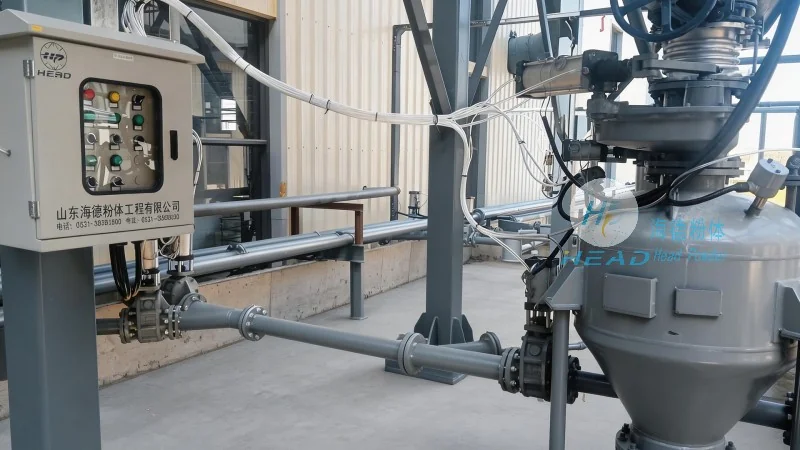
HeadPowder's systems are highly versatile, capable of handling a wide range of materials, including cement, fly ash, and various mineral powders. The modular design allows for easy integration into existing production lines and can be adapted to different process requirements. This flexibility makes the system suitable for various industries, from cement manufacturing to mining and construction.
4. Low Maintenance and Longevity
The pneumatic conveying system from HeadPowder is built with durable components, reducing the need for frequent maintenance. The use of high-quality materials and advanced engineering minimizes wear and tear, extending the lifespan of the equipment. This results in lower operational costs over time and increased reliability.
5. Energy Efficiency
Modern pneumatic conveying systems are designed to be energy-efficient, using optimized air flow and blower technology to reduce energy consumption. HeadPowder's solutions incorporate energy-saving features, such as variable speed drives and efficient blower designs, which help lower operational costs and reduce the carbon footprint of the facility.
Conclusion
When selecting a conveying method for cement, fly ash, and mineral powders, it is essential to consider factors such as material properties, distance, and operational requirements. While gravity and mechanical conveying have their uses, pneumatic conveying, particularly from HeadPowder, offers superior advantages in terms of efficiency, dust control, and flexibility. As a leading provider based in Shandong, China, HeadPowder continues to innovate and deliver high-quality solutions that meet the evolving needs of the industry.

 Công ty TNHH Kỹ thuật Công trình Bột Hải Đức Sơn Đông
 156-6277-7102(Quản lý Trương)
  0531-83386006
  Quận Chương Khâu, Thành phố Tế Nam, Tỉnh Sơn Đông, Trung Quốc
Điện thoại
WeChatTư vấn
Lên đầu