Công ty Hải Đức Bột với hơn 10 năm kinh nghiệm vận chuyển khí, cung cấp hệ thống‑thiết bị‑quạt gió và nhận dự án tổng thầu bột cả nước
When it comes to handling precipitated barium sulfate, the choice of conveying method plays a crucial role in ensuring efficiency, safety, and cost-effectiveness in industrial operations. Precipitated barium sulfate, a fine powder widely used in various industries such as coatings, plastics, and pharmaceuticals, requires specialized equipment to transport it from storage to processing units without compromising quality or safety. This article explores the common methods for conveying this material and highlights the advantages of HeadPowder's pneumatic conveying system, a leading solution in the field.
Understanding Precipitated Barium Sulfate and Its Conveying Challenges
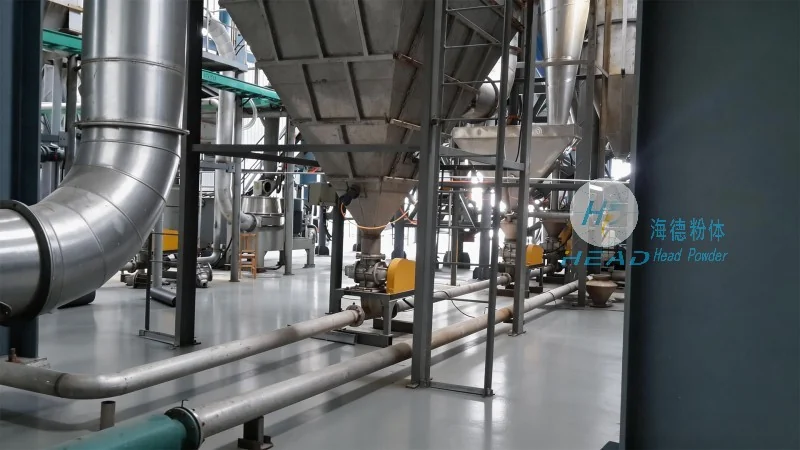
Precipitated barium sulfate, also known as barium sulfate, is a white, odorless powder with a high density and fine particle size. Its properties make it challenging to handle due to its tendency to agglomerate and create dust during transport. Traditional methods like manual handling or mechanical conveyors may not be suitable as they can lead to product contamination, increased labor costs, and safety hazards. Therefore, selecting an appropriate conveying system is essential to maintain the integrity of the material and optimize production processes.
Common Conveying Methods for Precipitated Barium Sulfate
Several methods are commonly used to transport precipitated barium sulfate, each with its own set of advantages and limitations. The primary options include:
1. Mechanical Conveyors: These systems use belts, screws, or buckets to move the material. While effective for certain bulk materials, mechanical conveyors may not be ideal for fine powders like barium sulfate due to the risk of clogging and material degradation. They also require regular maintenance and can generate dust, posing health and safety concerns.
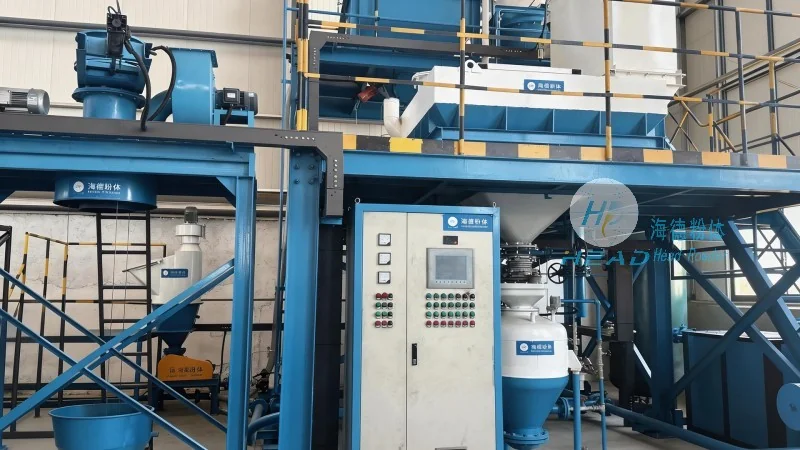
2. Pneumatic Conveying: This method uses air pressure to transport the material through a pipeline. It offers a more flexible and efficient solution for handling fine powders, as it minimizes product contact with equipment and reduces the risk of contamination. However, traditional pneumatic systems may have limitations in terms of pressure and flow rates, which can affect performance.
3. Hydraulic Conveying: Utilizing water or other liquids to transport the material, this method is suitable for certain applications but is less common for barium sulfate due to the potential for moisture absorption and the need for additional drying steps.
HeadPowder's Pneumatic Conveying System: Advantages and Features
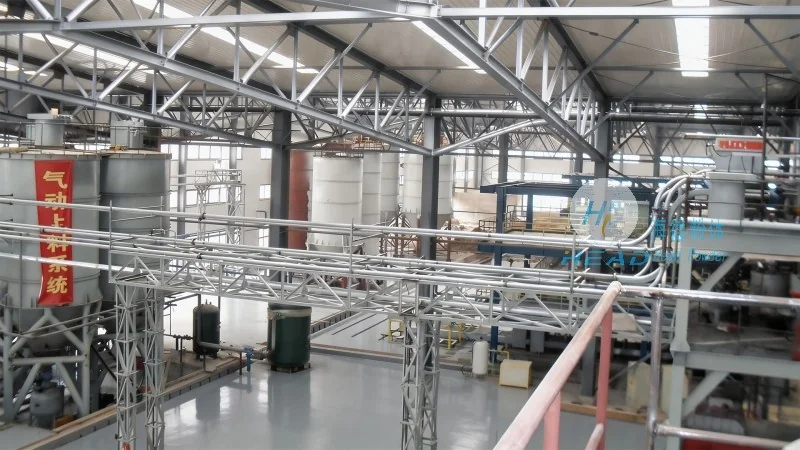
HeadPowder, a renowned manufacturer based in Shandong, China, specializes in providing advanced pneumatic conveying solutions tailored to the needs of industries handling precipitated barium sulfate. The company's system is designed to address the unique challenges associated with this material, offering several key advantages:
Firstly, the system utilizes high-pressure air to ensure efficient and reliable transport of fine powders. The design minimizes the risk of clogging and ensures consistent flow rates, which is critical for maintaining production continuity. Unlike traditional mechanical conveyors, the pneumatic system reduces the need for manual intervention, lowering labor costs and improving operational efficiency.
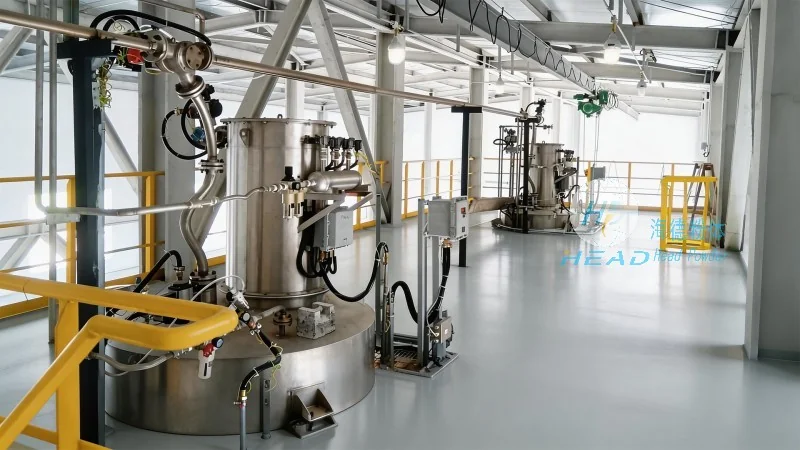
Secondly, HeadPowder's system incorporates advanced filtration and dust control measures. This not only protects the environment and ensures compliance with safety regulations but also maintains the purity of the barium sulfate, which is essential for its applications in high-value industries such as coatings and pharmaceuticals. The company's commitment to quality is reflected in the use of durable materials and robust construction, ensuring long-term performance and minimal maintenance requirements.
Thirdly, the system's flexibility allows for easy integration with existing production lines. HeadPowder's engineers work closely with clients to customize the conveying system to fit specific operational requirements, including varying flow rates and distances. This adaptability makes the system suitable for a wide range of applications, from small-scale production to large industrial facilities.
Conclusion: Choosing the Right Conveying Solution for Precipitated Barium Sulfate
When selecting a conveying method for precipitated barium sulfate, it is essential to consider factors such as material properties, production scale, and operational requirements. While mechanical and hydraulic systems have their uses, pneumatic conveying, particularly with advanced solutions like HeadPowder's system, offers superior performance and reliability. The advantages of reduced contamination, improved efficiency, and enhanced safety make it the preferred choice for many industries. By partnering with HeadPowder, businesses can ensure that their conveying operations are optimized for performance, cost-effectiveness, and compliance with industry standards.

 Công ty TNHH Kỹ thuật Công trình Bột Hải Đức Sơn Đông
 156-6277-7102(Quản lý Trương)
  0531-83386006
  Quận Chương Khâu, Thành phố Tế Nam, Tỉnh Sơn Đông, Trung Quốc
Điện thoại
WeChatTư vấn
Lên đầu