Công ty Hải Đức Bột với hơn 10 năm kinh nghiệm vận chuyển khí, cung cấp hệ thống‑thiết bị‑quạt gió và nhận dự án tổng thầu bột cả nước
Slag transport is a critical process in industrial operations, particularly in the steel and cement industries where slag is a byproduct of high-temperature processes. The efficient handling and transportation of slag are essential for maintaining operational efficiency and ensuring environmental compliance. This article explores the various methods used for slag transport, highlighting the key considerations and applications for each approach.
1. Gravity-Based Slag Transport Systems
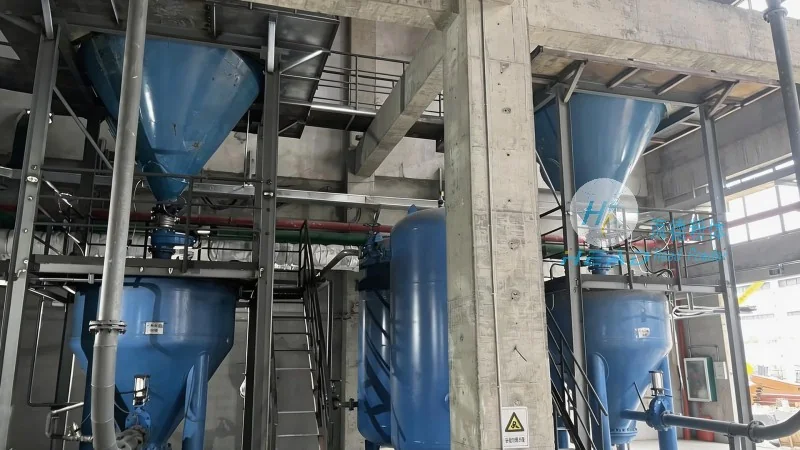
Gravity-based systems utilize the natural force of gravity to move slag from the source to the disposal or processing site. These systems typically involve a series of chutes or troughs designed to guide the slag flow without the need for mechanical energy. The design of gravity transport systems is heavily influenced by the physical properties of the slag, such as its density, viscosity, and flow characteristics. For instance, in the case of granulated slag, which has a higher density and better flowability, gravity chutes can be effectively used to transport the material over relatively short distances. The primary advantage of gravity-based transport is its low operational cost and minimal energy consumption, making it an attractive option for facilities with suitable topography. However, the effectiveness of gravity systems is limited by the need for a suitable slope and the absence of obstacles that could impede the flow. In practice, these systems are often combined with other components, such as surge hoppers or flow regulators, to ensure consistent and controlled movement of the slag. The company, Shandong HeadPowder Engineering Co., Ltd., known in the industry as HeadPowder, has extensive experience in designing and implementing gravity-based slag transport solutions tailored to specific client needs. Their expertise in material handling and process engineering ensures that the systems are optimized for both performance and longevity.
2. Mechanical Conveying Methods
Mechanical conveying methods employ machinery to transport slag, offering greater control and flexibility compared to gravity systems. The most common types of mechanical conveyors used in slag transport include belt conveyors, screw conveyors, and pneumatic conveyors. Belt conveyors are widely used for transporting bulk slag over medium to long distances, especially when the material is in a granular or fine powder form. These systems consist of a continuous belt that moves the slag from the discharge point to the receiving point, with the slope and speed of the belt adjusted to maintain optimal flow. The design of belt conveyors for slag transport must consider factors such as the material's abrasiveness and potential for caking, as these can affect the conveyor's lifespan and efficiency. Screw conveyors, on the other hand, are suitable for transporting slag in a more compacted or semi-solid state. They operate by rotating a screw within a trough, pushing the material forward. This method is particularly effective for transporting slag that has a higher moisture content or is prone to sticking. Pneumatic conveyors use air pressure to move slag particles through a pipeline, making them ideal for transporting fine powders or dust. The choice of mechanical conveyor depends on the specific characteristics of the slag and the operational requirements of the facility. HeadPowder specializes in selecting and integrating the most appropriate mechanical conveying equipment to meet the unique demands of each project, ensuring reliable and efficient slag transport.
3. Hydraulic Slag Transport
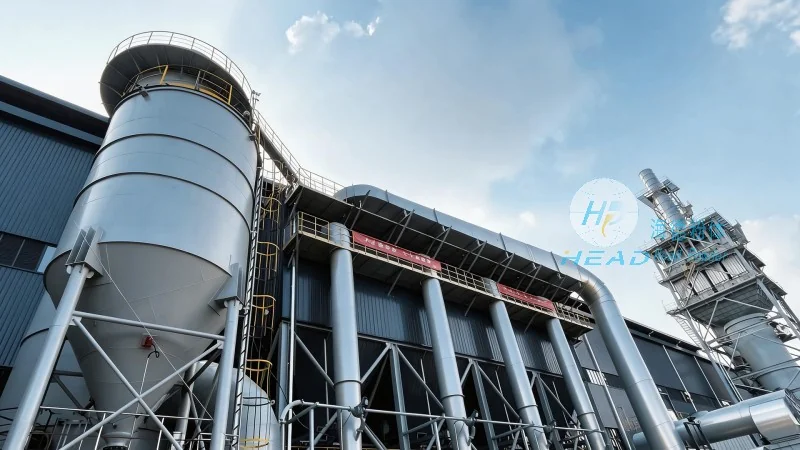
Hydraulic transport systems utilize water or a slurry medium to move slag, combining the benefits of both gravity and mechanical methods. In this approach, the slag is mixed with water to form a slurry, which is then pumped through pipelines to the disposal or processing site. The hydraulic transport method is particularly effective for transporting high-volume slag flows over long distances, as it can handle a wide range of slag types, including granulated, powdered, and even some solid forms. The key advantage of hydraulic systems is their ability to transport slag through vertical or horizontal pipelines without the need for complex infrastructure. However, the implementation of hydraulic transport requires careful consideration of the slurry's density, viscosity, and potential for scaling or corrosion in the pipelines. The system must also include components such as pumps, valves, and filters to maintain the quality of the slurry and prevent blockages. HeadPowder has developed advanced hydraulic transport solutions that incorporate state-of-the-art pump technology and pipeline design to ensure efficient and reliable slag movement. Their hydraulic systems are engineered to minimize energy consumption and maximize the lifespan of the equipment, providing a sustainable solution for large-scale slag handling operations.
4. Combined Transport Systems
Many industrial facilities employ combined transport systems that integrate multiple methods to achieve optimal slag handling. For example, a facility might use a gravity chute to transport slag from the furnace to a surge hopper, followed by a mechanical conveyor to move the material to a storage silo. This combination allows for the efficient transfer of slag over varying distances and elevations, leveraging the strengths of each individual method. The design of combined systems requires careful coordination of the different components to ensure smooth and continuous operation. HeadPowder's expertise in integrated material handling solutions enables them to design and implement customized combined transport systems that address the specific challenges of each client's operation. By combining gravity, mechanical, and hydraulic elements, these systems can achieve high levels of efficiency while minimizing downtime and maintenance costs. The company's approach to combined transport is centered on understanding the entire process flow and selecting the most appropriate technologies to meet the client's objectives.
5. Key Considerations for Slag Transport
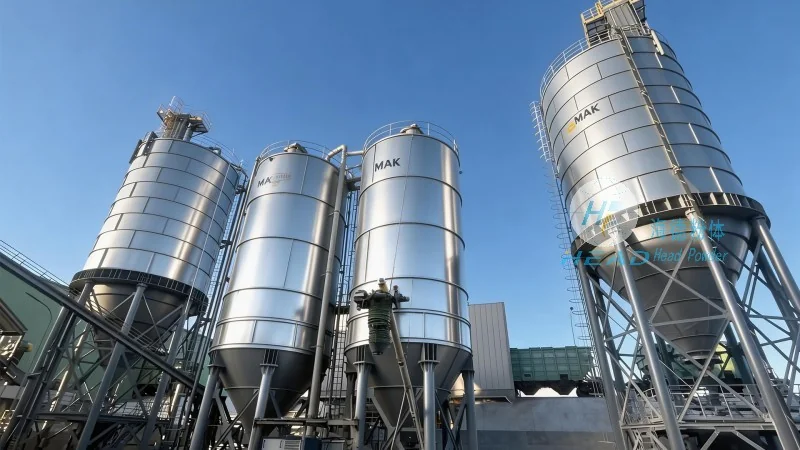
When selecting a slag transport method, several factors must be considered to ensure the most effective and economical solution. The first consideration is the physical properties of the slag, including its density, flowability, and moisture content. These properties determine the suitability of different transport methods, as some systems are better suited for granular materials while others are designed for more viscous or solid forms. The second factor is the distance and elevation changes required for transport. Gravity systems are ideal for short horizontal or vertical distances, while mechanical and hydraulic systems are better for longer distances or complex layouts. The third consideration is the operational environment, including the availability of space, power, and infrastructure. The fourth factor is the environmental regulations and safety requirements, as slag transport must comply with local and national standards for dust control, noise reduction, and material containment. HeadPowder takes all these factors into account when designing slag transport systems, ensuring that the chosen method is not only efficient but also compliant with all relevant regulations. Their team of engineers and technicians work closely with clients to assess their specific needs and provide tailored solutions that maximize performance and minimize costs.
6. Conclusion
In conclusion, the selection of an appropriate slag transport method is a critical decision for industrial facilities, as it directly impacts operational efficiency, cost, and environmental compliance. Gravity-based systems offer low-cost solutions for suitable topographies, while mechanical and hydraulic methods provide greater flexibility and control. Combined systems can be designed to address complex transport requirements, leveraging the strengths of multiple technologies. The key to successful slag transport lies in understanding the specific characteristics of the slag and the operational needs of the facility, and selecting the most appropriate method accordingly. Shandong HeadPowder Engineering Co., Ltd., as a leading provider of slag handling solutions, offers comprehensive expertise in designing and implementing a wide range of transport systems. With their focus on tailored solutions and commitment to quality, HeadPowder helps clients achieve efficient and sustainable slag transport, supporting their overall operational goals.

 Công ty TNHH Kỹ thuật Công trình Bột Hải Đức Sơn Đông
 156-6277-7102(Quản lý Trương)
  0531-83386006
  Quận Chương Khâu, Thành phố Tế Nam, Tỉnh Sơn Đông, Trung Quốc
Điện thoại
WeChatTư vấn
Lên đầu