Công ty Hải Đức Bột với hơn 10 năm kinh nghiệm vận chuyển khí, cung cấp hệ thống‑thiết bị‑quạt gió và nhận dự án tổng thầu bột cả nước
Bentonite, a key material in various industrial applications, often requires efficient transportation to ensure optimal performance and safety. The methods used to transport bentonite slurry can significantly impact the effectiveness of construction, drilling, and other processes. Understanding the different approaches to bentonite slurry transportation is crucial for professionals in the industry. This article explores the primary methods of bentonite slurry transportation, highlighting their benefits and applications, with a focus on solutions provided by Shandong HeadPowder Engineering Co., Ltd., a leading provider of bentonite-related services based in China.
Understanding Bentonite Slurry and Its Transportation Needs
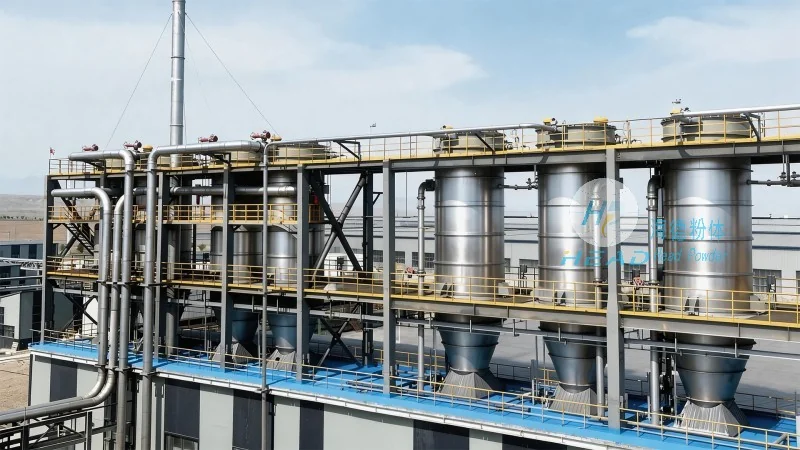
Bentonite is a natural clay composed primarily of montmorillonite, which gives it unique properties such as high swelling capacity and excellent water retention. When mixed with water, bentonite forms a viscous slurry that is essential in applications like drilling mud, foundation stabilization, and hydraulic fracturing. The transportation of this slurry demands careful consideration of its rheological properties, as improper handling can lead to sedimentation, loss of fluidity, or equipment damage. Effective transportation methods must maintain the slurry's consistency and prevent degradation during transit.
Key Methods of Bentonite Slurry Transportation
Several methods are commonly employed for bentonite slurry transportation, each suited to different operational requirements and environments. The most prevalent approach is the use of dedicated pipelines and pumping systems, which allow for continuous and controlled flow of the slurry. This method is widely used in large-scale construction projects and industrial facilities where a steady supply of bentonite is required. The pipelines are typically made of materials resistant to corrosion and abrasion, such as stainless steel or high-density polyethylene, to withstand the abrasive nature of the slurry.
Another effective method involves the use of specialized pumps, including centrifugal pumps and positive displacement pumps. Centrifugal pumps are ideal for handling large volumes of slurry at moderate pressures, while positive displacement pumps, like piston or diaphragm pumps, are better suited for high-pressure applications and smaller volumes. These pumps ensure consistent pressure and flow rates, maintaining the slurry's integrity throughout the transportation process. Proper maintenance and regular cleaning of pump components are essential to prevent clogging and ensure long-term performance.
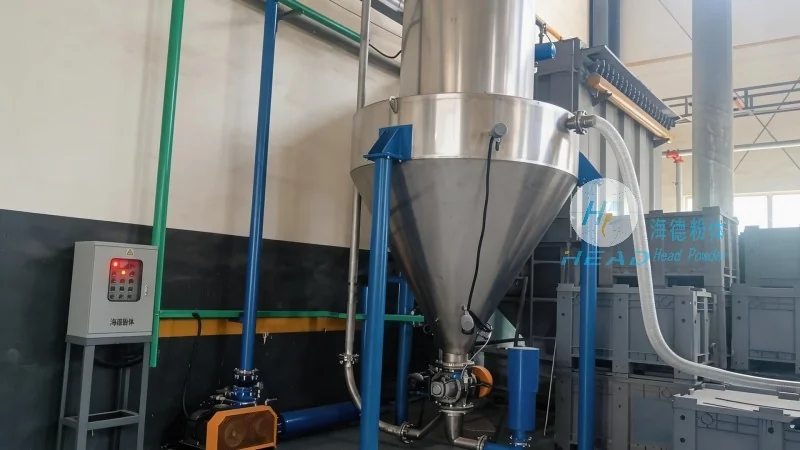
Gravity flow systems are also utilized in certain scenarios, particularly where the terrain allows for a natural slope that facilitates the movement of the slurry. This method is cost-effective and energy-efficient, as it relies on the force of gravity rather than mechanical pumps. However, it is limited by the topography and the need for a suitable elevation difference to ensure adequate flow. Gravity flow is often used in smaller-scale projects or in areas with minimal elevation changes.
Factors Influencing the Choice of Transportation Method
The selection of a bentonite slurry transportation method depends on several factors, including the volume of slurry required, the distance to be transported, the desired flow rate, and the environmental conditions. For instance, in remote or offshore drilling operations, where access to power and equipment is limited, portable pumping systems and flexible hoses may be preferred. These systems are designed to be lightweight and easy to transport, ensuring that bentonite can be delivered to the site efficiently. In contrast, large-scale infrastructure projects may benefit from fixed pipeline systems that provide a continuous and reliable supply of slurry.
Environmental considerations also play a role in the choice of transportation method. Some methods may generate noise or vibration, which could affect nearby communities or wildlife. Others may require additional infrastructure, such as storage tanks or processing facilities, which can impact the overall project timeline and budget. Companies must evaluate these factors carefully to select the most suitable method that balances efficiency, cost, and environmental impact.
Best Practices for Bentonite Slurry Transportation
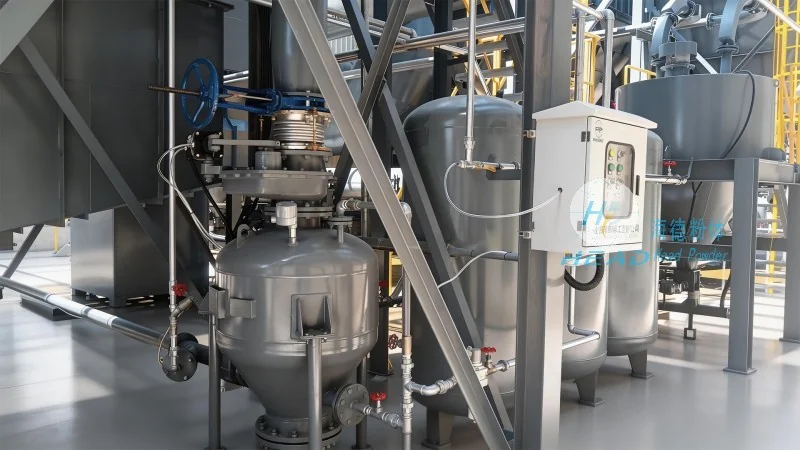
Regardless of the method chosen, following best practices is essential to ensure the quality and longevity of the bentonite slurry. Regular monitoring of the slurry's properties, such as viscosity and pH, is crucial to detect any changes that may affect its performance. This monitoring can be done using on-site testing equipment or by sending samples to a laboratory for analysis. Maintaining proper equipment calibration and performing routine maintenance are also critical to prevent equipment failure and ensure consistent performance.
Proper storage of bentonite slurry is another key aspect of effective transportation. Slurry should be stored in tanks or containers that are sealed and protected from contamination. Exposure to air or other substances can alter the slurry's properties, reducing its effectiveness. Additionally, temperature control is important, as extreme temperatures can affect the viscosity and stability of the slurry. By adhering to these best practices, companies can ensure that bentonite slurry is transported safely and efficiently, meeting the demands of their projects.
Conclusion
Bentonite slurry transportation is a critical aspect of many industrial processes, and the choice of method can significantly impact project outcomes. By understanding the different approaches and considering factors such as volume, distance, and environmental impact, professionals can select the most appropriate transportation method for their needs. Whether using pipelines, pumps, or gravity flow systems, proper maintenance and adherence to best practices are essential to maintain the quality and integrity of the bentonite slurry. As the demand for bentonite continues to grow, the development of more efficient and sustainable transportation methods will remain a priority for the industry.

 Công ty TNHH Kỹ thuật Công trình Bột Hải Đức Sơn Đông
 156-6277-7102(Quản lý Trương)
  0531-83386006
  Quận Chương Khâu, Thành phố Tế Nam, Tỉnh Sơn Đông, Trung Quốc
Điện thoại
WeChatTư vấn
Lên đầu