Công ty Hải Đức Bột với hơn 10 năm kinh nghiệm vận chuyển khí, cung cấp hệ thống‑thiết bị‑quạt gió và nhận dự án tổng thầu bột cả nước
Caustic soda, also known as sodium hydroxide (NaOH), is a critical chemical in various industrial processes, including manufacturing, water treatment, and chemical synthesis. When in pellet form, it requires efficient and safe conveying methods to move it from storage to processing units. The choice of conveying system impacts operational efficiency, safety, and cost-effectiveness. This article explores the primary methods used for transporting caustic soda pellets, with insights from industry experts at Shandong HeadPowder Engineering Co., Ltd., a leading provider of chemical handling solutions.
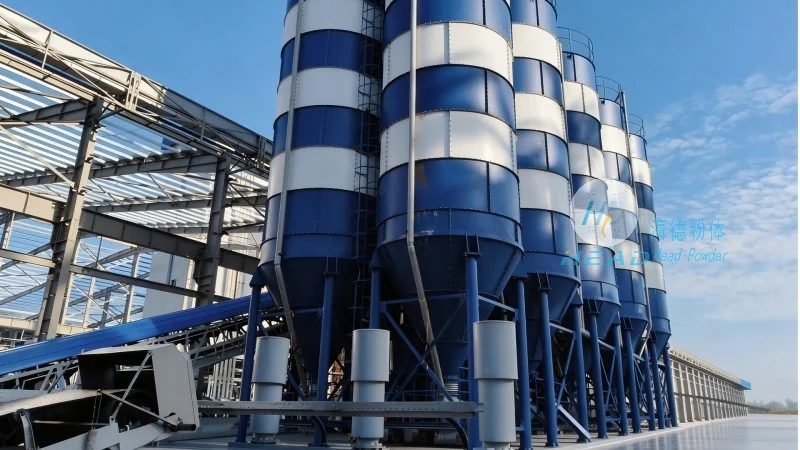
Common Conveying Methods for Caustic Soda Pellets
Several conveying methods are commonly employed in industrial settings for handling caustic soda pellets. Each method has distinct advantages and is suited to different operational requirements, such as material volume, distance, and environmental conditions. The following sections detail the most prevalent options and their characteristics.
Belt Conveyors: A Popular Choice for Bulk Handling
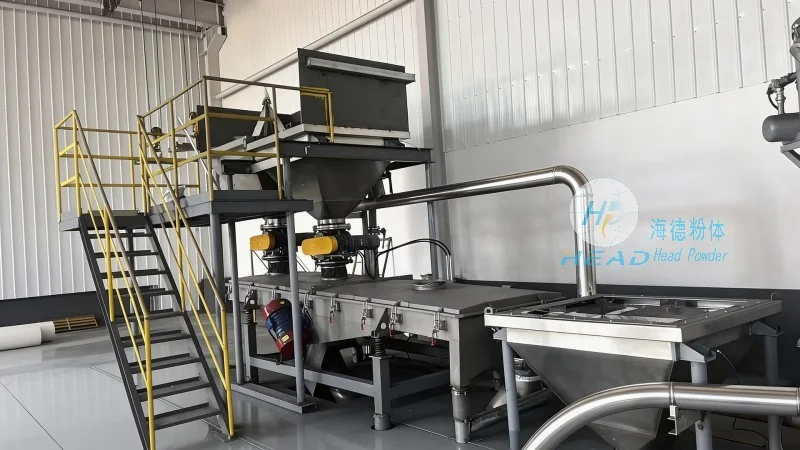
Belt conveyors are widely used for bulk material transport, including caustic soda pellets. These systems consist of a continuous belt looped over rollers or pulleys, with the material placed on the belt surface. The belt moves the pellets from the loading point to the discharge point, making it ideal for long distances and high-volume applications. Belt conveyors are known for their durability, low maintenance, and ability to handle large quantities of material efficiently. They are particularly effective in environments where the material is non-abrasive and requires gentle handling to prevent damage to the pellets.
Screw Conveyors: Versatile and Reliable for Pellet Transport
Screw conveyors, also known as auger conveyors, use a rotating screw (auger) to move caustic soda pellets along a trough. The screw's rotation pushes the material forward, and the trough guides the pellets to the discharge point. This method is suitable for shorter distances and moderate volumes, making it a common choice in smaller processing facilities or for transporting pellets from storage bins to processing equipment. Screw conveyors are compact, easy to install, and can operate in vertical or horizontal configurations. They are effective for materials that are free-flowing and non-lumpy, as the screw's design prevents material buildup and ensures consistent transport.
Pneumatic Conveying Systems: High-Speed and Flexible Solutions
Pneumatic conveying systems use air or other gases to transport caustic soda pellets through a pipeline. The pellets are carried by the air stream, which can be either positive or negative pressure, depending on the system design. Positive pressure systems blow air into the pipeline, pushing the material forward, while negative pressure systems create a vacuum to draw the material. Pneumatic conveyors are highly flexible, as they can be configured to handle materials over long distances and through complex layouts, including vertical lifts and horizontal curves. They are ideal for applications requiring fast, dust-free transport, such as in food processing or pharmaceutical industries. However, they may require higher energy input and more maintenance compared to other methods, as the system relies on air flow and pressure regulation.
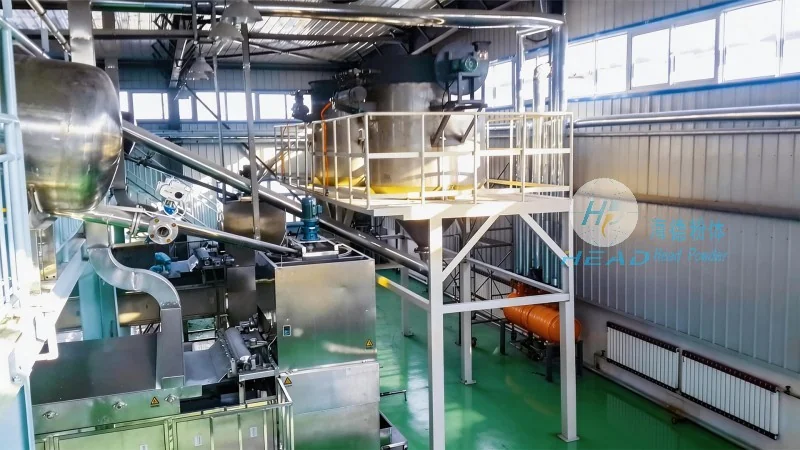
Hydraulic Conveying: Suitable for Specific Industrial Applications
Hydraulic conveying systems use a liquid medium, typically water or a specialized fluid, to transport caustic soda pellets. The pellets are suspended in the liquid and moved through pipes by pressure-driven flow. This method is particularly useful for handling materials that are sensitive to air exposure or require precise control over the transport process. Hydraulic conveyors are commonly used in industries where the material needs to be transported under controlled conditions, such as in chemical processing or mining operations. They offer high efficiency and can handle abrasive materials, but they require specialized equipment and regular maintenance to ensure proper operation and prevent corrosion.
Choosing the Right Conveying Method: Factors to Consider
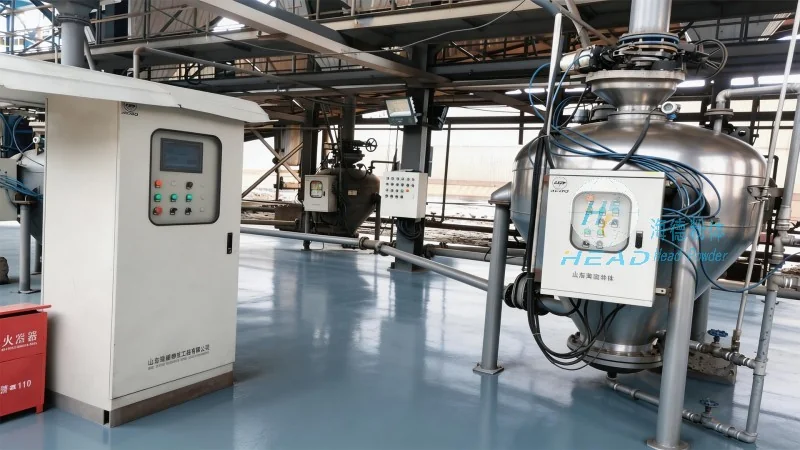
The selection of an appropriate conveying method for caustic soda pellets depends on several key factors. First, the volume and distance of material transport are critical. For large-scale operations over long distances, belt conveyors or pneumatic systems may be more suitable, while screw conveyors are better for shorter distances and smaller volumes. Second, the physical properties of the pellets, such as size, shape, and moisture content, influence the choice. For example, irregularly shaped or lumpy pellets may require more gentle handling, making screw or belt conveyors preferable over pneumatic systems. Third, safety considerations are paramount, as caustic soda is a hazardous material. Conveying systems must be designed to minimize dust generation, prevent leaks, and ensure proper ventilation to protect workers and the environment. Finally, cost and maintenance requirements play a role. While some systems may have higher initial costs, they may offer long-term savings in terms of energy efficiency and reduced downtime.
Conclusion and Company Information
Efficient and safe conveying of caustic soda pellets is essential for maintaining operational efficiency and ensuring workplace safety in industrial settings. The methods discussed—belt conveyors, screw conveyors, pneumatic systems, and hydraulic conveyors—each offer unique advantages and are selected based on specific operational needs. By understanding the characteristics of each system and considering factors such as material volume, distance, and safety requirements, industries can choose the most appropriate conveying solution. Shandong HeadPowder Engineering Co., Ltd. specializes in providing tailored chemical handling solutions, including conveyor systems, to meet the diverse needs of industrial clients. With a focus on quality, reliability, and safety, the company helps businesses optimize their material transport processes and enhance overall productivity.

 Công ty TNHH Kỹ thuật Công trình Bột Hải Đức Sơn Đông
 156-6277-7102(Quản lý Trương)
  0531-83386006
  Quận Chương Khâu, Thành phố Tế Nam, Tỉnh Sơn Đông, Trung Quốc
Điện thoại
WeChatTư vấn
Lên đầu