Công ty Hải Đức Bột với hơn 10 năm kinh nghiệm vận chuyển khí, cung cấp hệ thống‑thiết bị‑quạt gió và nhận dự án tổng thầu bột cả nước
For manufacturers and suppliers of baking powder, selecting the appropriate conveying method is crucial for ensuring efficient production, maintaining product quality, and optimizing operational costs. The choice of conveying system depends on various factors including the type of baking powder, production scale, and specific processing requirements. In this article, we will explore the common types of baking powder conveying methods used in the industry, highlighting the key considerations and applications for each approach.
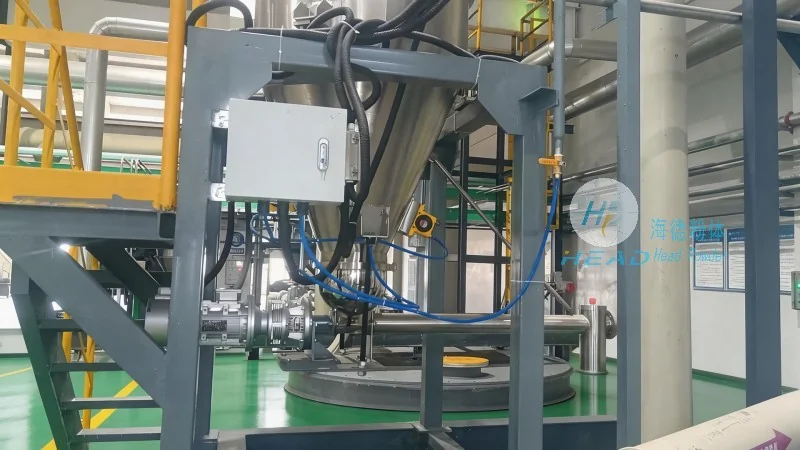
1. Screw Conveyors for Baking Powder
One of the most widely used conveying methods for baking powder is the screw conveyor. Screw conveyors, also known as auger conveyors, are mechanical devices that use a rotating helical screw to move bulk materials, including powdered substances like baking powder, from one location to another. This method is particularly suitable for horizontal or slightly inclined transport, making it ideal for applications where the baking powder needs to be moved within a production line or storage facility.
The screw conveyor operates by rotating a screw within a trough, which pushes the material forward. The speed and direction of the screw can be adjusted to control the flow rate and prevent product degradation. For baking powder, which is sensitive to moisture and temperature changes, the design of the screw conveyor is critical. Many manufacturers use stainless steel or food-grade materials for the screw and trough to ensure hygiene and prevent contamination. Additionally, the conveyor may be equipped with a sealing system to minimize dust exposure and maintain product purity. The screw conveyor is often used in combination with other equipment, such as mixers or packaging machines, to create a seamless production flow. Its advantages include simplicity, low maintenance, and the ability to handle a wide range of particle sizes, making it a versatile option for baking powder handling.
2. Pneumatic Conveying Systems for Baking Powder
Another popular method for transporting baking powder is pneumatic conveying, which uses air or gas to move the powder through a pipeline. This technique is particularly effective for long-distance or vertical transport, as it can move the material without the need for mechanical components at the end points. Pneumatic systems are available in two main types: pressure and vacuum. Pressure systems use compressed air to push the powder through the line, while vacuum systems use a vacuum to draw the material from the source.
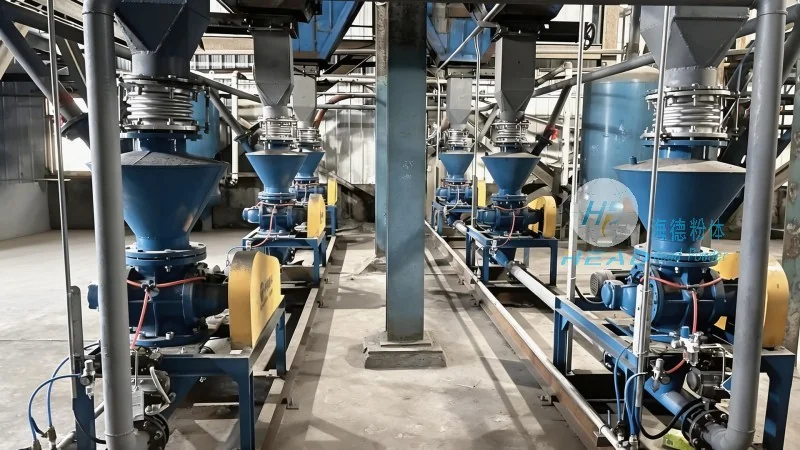
For baking powder, pressure pneumatic conveying is often preferred due to its ability to handle fine powders without causing excessive friction or particle degradation. The system typically consists of a hopper, a rotary airlock valve, and a pipeline with appropriate fittings. The rotary airlock valve ensures that the powder is discharged in a controlled manner, preventing backflow and maintaining a consistent flow rate. The pipeline is usually made of stainless steel or plastic to prevent contamination and ensure durability. Pneumatic conveying is especially useful in applications where the baking powder needs to be transported from a storage silo to a processing unit or packaging line. It offers advantages such as high speed, low maintenance, and the ability to handle large volumes of material. However, it requires a reliable air supply and may be more complex to install compared to other methods.
3. Belt Conveyors for Baking Powder Handling
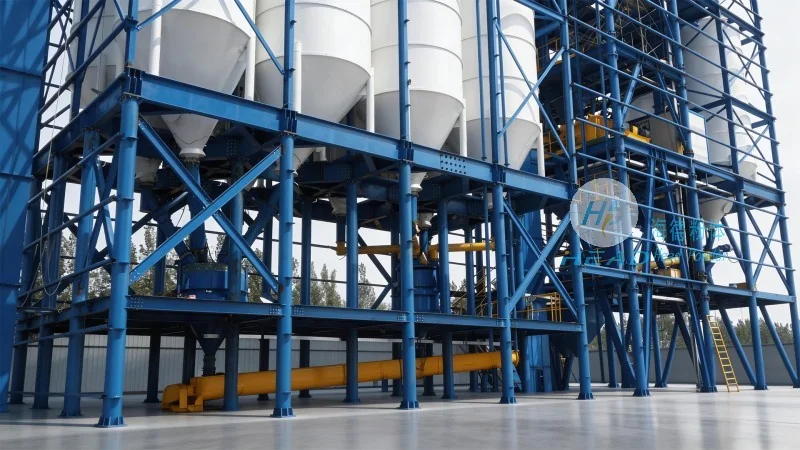
Belt conveyors are another common conveying method used in baking powder production and handling. These systems use a continuous belt that moves over rollers to transport the powder. Belt conveyors are suitable for both horizontal and inclined transport and can handle a wide range of material types, including powders, granules, and bulk materials. They are often used in combination with other equipment, such as hoppers or elevators, to create an integrated production line.
The belt conveyor consists of a flat or troughed belt that is supported by rollers. The material is placed on the belt at one end, and as the belt moves, it transports the powder to the desired location. The speed of the belt can be adjusted to control the flow rate, and the system can be equipped with various accessories, such as side guides or diverters, to direct the material as needed. For baking powder, the belt is typically made of food-grade materials, such as rubber or plastic, to prevent contamination and ensure hygiene. The rollers are often coated with a non-stick material to prevent the powder from sticking and causing blockages. Belt conveyors are particularly effective for applications where the baking powder needs to be transported over long distances or at high speeds. They offer advantages such as high capacity, low power consumption, and the ability to handle heavy loads. However, they require regular maintenance to ensure the belt remains in good condition and to prevent wear and tear.
4. Bucket Elevators for Vertical Conveying of Baking Powder
For vertical transport of baking powder, bucket elevators are a common and efficient solution. These systems use a series of buckets attached to a chain or belt that moves vertically, lifting the powder from a lower level to a higher level. Bucket elevators are particularly suitable for applications where the baking powder needs to be moved vertically, such as from a storage silo to a processing unit or packaging line.

 Công ty TNHH Kỹ thuật Công trình Bột Hải Đức Sơn Đông
 156-6277-7102(Quản lý Trương)
  0531-83386006
  Quận Chương Khâu, Thành phố Tế Nam, Tỉnh Sơn Đông, Trung Quốc
Điện thoại
WeChatTư vấn
Lên đầu