Công ty Hải Đức Bột với hơn 10 năm kinh nghiệm vận chuyển khí, cung cấp hệ thống‑thiết bị‑quạt gió và nhận dự án tổng thầu bột cả nước
When it comes to handling small gravel in industrial and construction settings, selecting the right conveying method is crucial for efficiency and cost-effectiveness. The choice of equipment can significantly impact the overall workflow, material handling speed, and operational safety. In this article, we explore various methods for conveying small gravel, providing insights into the most effective solutions available today.
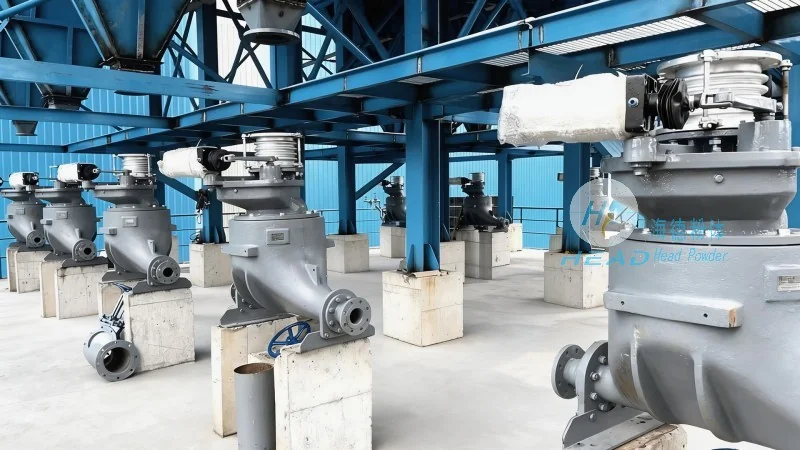
Overview of Common Conveying Methods for Small Gravel
Conveying small gravel involves transporting granular materials like crushed stone, sand, or small pebbles from one location to another. The primary goal is to move these materials with minimal loss, reduced energy consumption, and optimal control. Several methods are commonly employed in the industry, each with its own advantages and specific applications.
1. Belt Conveyor Systems for Small Gravel Transport
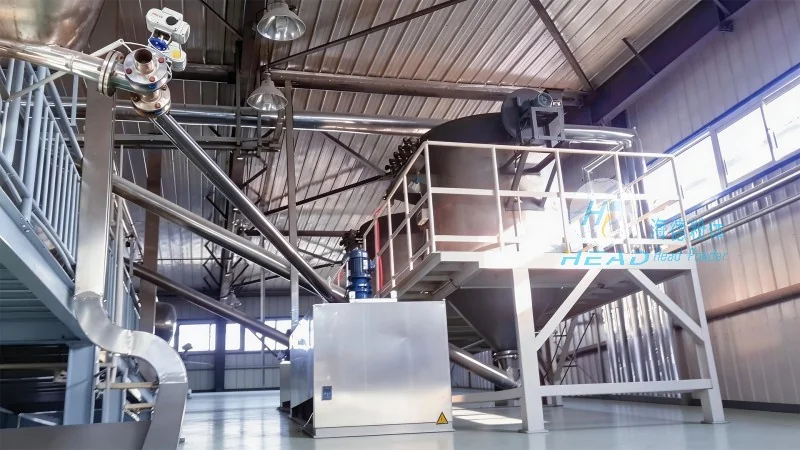
Belt conveyors are among the most widely used equipment for transporting small gravel. These systems consist of a continuous loop of material that carries the gravel along a path defined by rollers and pulleys. The belt, typically made of durable rubber or synthetic materials, is designed to handle the abrasive nature of small gravel without significant wear. A key advantage of belt conveyors is their ability to transport materials over long distances with high efficiency. They are particularly suitable for applications where the gravel needs to be moved from a quarry or storage area to a processing plant or construction site. The smooth operation and low maintenance requirements make belt conveyors a popular choice for continuous material handling operations.
2. Screw Conveyors for Compact and Controlled Small Gravel Movement
Screw conveyors, also known as auger conveyors, use a rotating helical screw to move small gravel through a trough or tube. This method is ideal for applications requiring precise control over the material flow, such as feeding small gravel into mixers or processing equipment. Screw conveyors are particularly effective for handling dry or slightly moist small gravel, as they can maintain a consistent flow rate without the need for additional equipment like hoppers or chutes. The compact design of screw conveyors makes them suitable for installations with limited space, and they are often used in batching plants, concrete mixing operations, and material handling in smaller industrial settings. The ability to adjust the screw speed allows for flexible control over the conveying rate, ensuring that the small gravel is delivered at the exact rate required for the downstream process.
3. Vibrating Conveyors for Efficient and Gentle Small Gravel Handling
Vibrating conveyors utilize a series of oscillating plates or troughs to move small gravel along a path. These systems are designed to handle materials with varying sizes and shapes, including small gravel that may have irregular dimensions. The vibration mechanism provides gentle but effective movement, reducing the risk of material degradation or damage. Vibrating conveyors are particularly useful for applications where the small gravel needs to be transported at an angle or over uneven surfaces. They are commonly used in mining operations, where the gravel is moved from ore bins to processing equipment, and in construction sites for transporting gravel to different work areas. The low power consumption and minimal maintenance requirements make vibrating conveyors an energy-efficient choice for small gravel handling.
4. Pneumatic Conveying Systems for Airborne Small Gravel Transport
Pneumatic conveying systems use air pressure to transport small gravel through a network of pipes. This method is ideal for applications where the small gravel needs to be moved over long distances or through complex layouts, such as in large industrial facilities or distribution centers. Pneumatic conveyors can handle a wide range of materials, including small gravel, and are particularly effective for materials that are light and free-flowing. The system consists of a blower or compressor that generates the air pressure, a hopper to feed the small gravel into the system, and a receiver to collect the material at the destination. Pneumatic conveying offers the advantage of being able to transport small gravel without direct contact with the conveying equipment, reducing the risk of contamination or material degradation. However, it requires careful design to ensure efficient air flow and prevent blockages in the pipes.
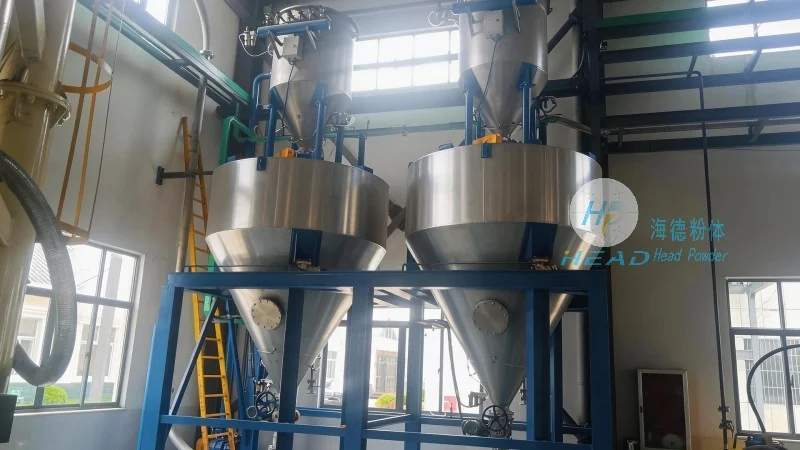
5. Hydraulic Conveyors for High-Volume Small Gravel Handling
Hydraulic conveyors use water or other fluids to transport small gravel through a system of pipes or hoses. This method is typically used for high-volume applications, such as in mining operations where large quantities of small gravel need to be moved from a mine to a processing plant. Hydraulic conveyors are capable of handling very high flow rates and can transport small gravel over long distances with minimal energy consumption. The system consists of a pump that circulates the fluid, a hopper to feed the small gravel into the system, and a valve or nozzle to control the flow rate. Hydraulic conveyors are particularly effective for materials that are heavy or have a high density, as the fluid provides the necessary force to move the small gravel through the system. However, they require regular maintenance to ensure the fluid remains clean and free of debris, which can affect the efficiency of the conveying process.
Choosing the Right Conveying Method for Small Gravel
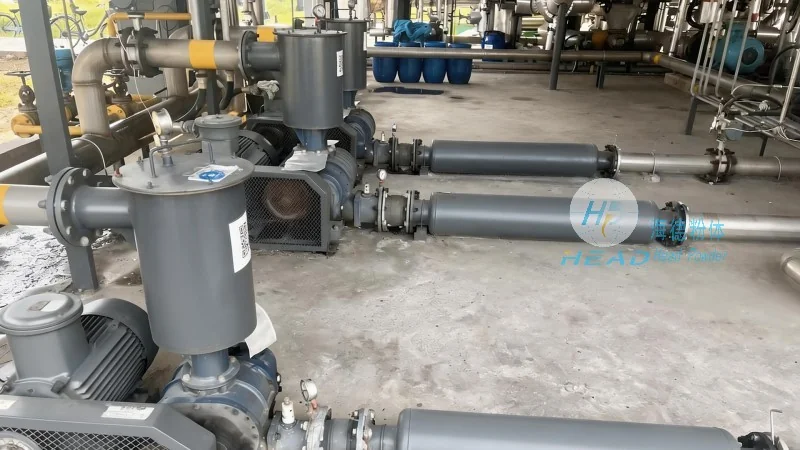
The selection of the appropriate conveying method for small gravel depends on several factors, including the distance to be covered, the volume of material to be handled, the required flow rate, and the specific characteristics of the small gravel itself. For example, belt conveyors are often preferred for long-distance transport of large quantities of small gravel, while screw conveyors are ideal for precise control in batching operations. Vibrating conveyors are suitable for handling small gravel with irregular shapes, and pneumatic systems are effective for transporting small gravel over complex layouts. It is essential to consider the operational environment, such as the presence of dust or moisture, and the available space for installation when choosing a conveying method.
HeadPowder Engineering Co., Ltd.: Your Partner in Small Gravel Conveying Solutions
At Shandong HeadPowder Engineering Co., Ltd., we specialize in providing high-quality conveying equipment and solutions for small gravel handling. With years of experience in the industry, our team of experts understands the unique challenges associated with transporting small gravel and offers tailored solutions to meet the specific needs of our clients. Our products, including belt conveyors, screw conveyors, vibrating conveyors, and pneumatic systems, are designed to deliver efficiency, reliability, and durability. We work closely with our clients to assess their requirements and recommend the most suitable conveying method for their small gravel handling operations. Our commitment to quality and customer satisfaction has made us a trusted partner in the industry, serving clients in various sectors, including construction, mining, and manufacturing.
Conclusion: Optimizing Small Gravel Conveying with the Right Equipment
In conclusion, the choice of conveying method for small gravel plays a critical role in the efficiency and success of industrial and construction operations. By selecting the appropriate equipment, such as belt conveyors, screw conveyors, vibrating conveyors, or pneumatic systems, businesses can optimize their material handling processes, reduce costs, and improve overall productivity. At HeadPowder Engineering Co., Ltd., we are dedicated to providing innovative and reliable solutions for small gravel conveying, helping our clients achieve their operational goals with confidence. Whether you need to transport small gravel over short or long distances, or require precise control over the material flow, our team is ready to assist you in finding the best solution for your specific needs.

 Công ty TNHH Kỹ thuật Công trình Bột Hải Đức Sơn Đông
 156-6277-7102(Quản lý Trương)
  0531-83386006
  Quận Chương Khâu, Thành phố Tế Nam, Tỉnh Sơn Đông, Trung Quốc
Điện thoại
WeChatTư vấn
Lên đầu