Công ty Hải Đức Bột với hơn 10 năm kinh nghiệm vận chuyển khí, cung cấp hệ thống‑thiết bị‑quạt gió và nhận dự án tổng thầu bột cả nước
For industrial applications involving petroleum coke powder, selecting the appropriate conveying method is critical to ensure efficient and safe material handling. The choice of system impacts not only operational efficiency but also the longevity of equipment and the quality of the final product. Shandong HeadPowder Engineering Co., Ltd., a leading provider of engineering solutions, specializes in designing and implementing effective conveying systems tailored to the unique needs of each client. With operations based in Shandong, China, the company leverages its expertise to deliver customized solutions that enhance productivity and reduce costs in petroleum coke processing facilities.
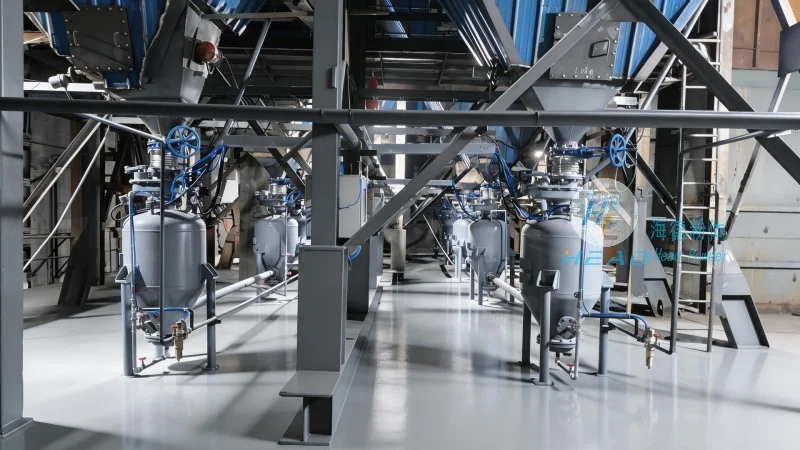
1. Pneumatic Conveying Systems
Pneumatic conveying, also known as air-pneumatic transport, is a widely used method for handling petroleum coke powder. This system utilizes compressed air or other gases to move the powder through a pipeline. There are two main types: dilute-phase and dense-phase pneumatic conveying. Dilute-phase systems are suitable for short distances and low to medium material flow rates, while dense-phase systems are ideal for longer distances and higher flow rates, offering better control over the material's velocity and pressure. Pneumatic conveying offers advantages such as low maintenance, minimal product degradation, and the ability to transport materials over long distances without the need for multiple transfer points. However, it requires a robust air compression system and careful design to prevent material buildup and ensure consistent flow.
2. Screw Conveyors
Screw conveyors, or auger conveyors, are another common solution for petroleum coke powder transport. These systems consist of a rotating screw (auger) inside a trough or tube, which moves the material forward through the conveyor. Screw conveyors are particularly effective for horizontal or slightly inclined transport, and they can handle a wide range of material sizes and moisture content. They are relatively simple in design, easy to install, and require minimal maintenance. However, they may not be suitable for very long distances or high material flow rates, as the screw can experience wear and the material may be subjected to higher shear forces, potentially affecting its quality. Screw conveyors are often used in applications where the material needs to be elevated or moved vertically, as they can be designed with vertical sections.
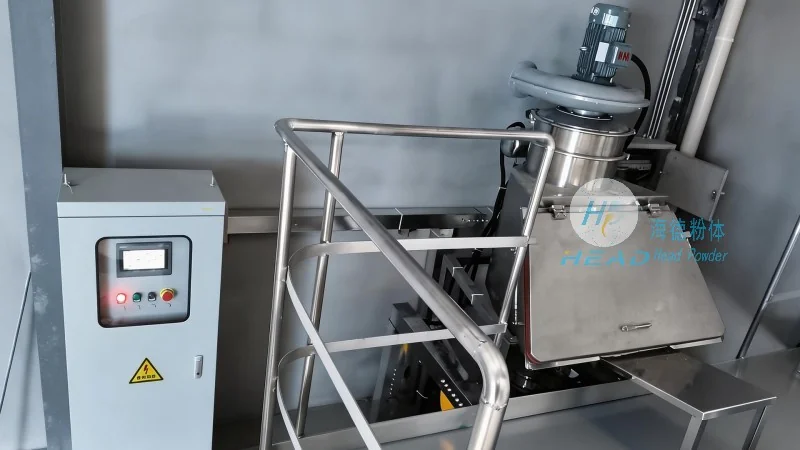
3. Belt Conveyors
Belt conveyors are a versatile and efficient method for transporting petroleum coke powder, especially over longer distances or in large quantities. These systems use a continuous belt that moves over rollers or idlers, carrying the material from the loading point to the discharge point. Belt conveyors are capable of handling high flow rates and can be designed with multiple inclines or declines, making them suitable for various industrial settings. They are particularly effective for transporting materials that are prone to segregation or that need to be moved at a consistent speed. However, belt conveyors require regular maintenance, such as belt tension checks and cleaning, to prevent material buildup and ensure smooth operation. They also need a level or gently sloped surface to operate effectively, and the material's properties, such as its abrasiveness, can affect the belt's lifespan.
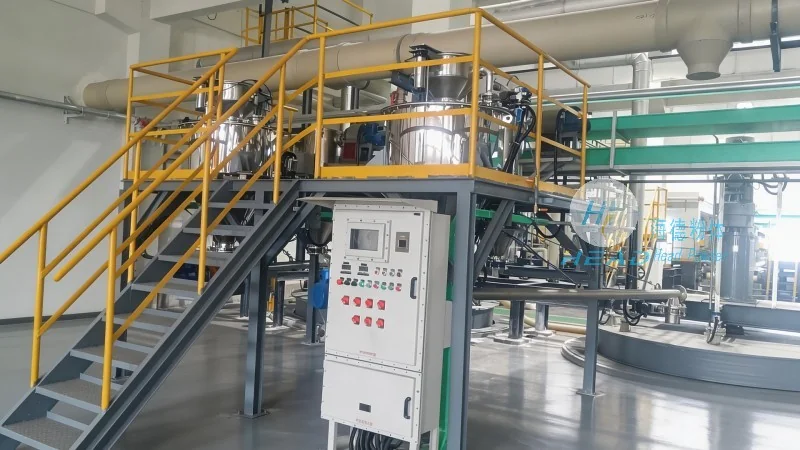
4. Hydraulic Conveying
Hydraulic conveying, or slurry transport, involves mixing petroleum coke powder with water or other liquids to form a slurry, which is then pumped through a pipeline. This method is commonly used for transporting materials over long distances, especially in mining and mineral processing industries. Hydraulic conveying can handle high flow rates and is effective for materials that are difficult to transport by other means. However, it requires a system to handle the slurry, including pumps, pipelines, and a method to separate the water from the material at the end of the transport. The process may also affect the material's moisture content and can lead to increased wear on the pipeline and equipment due to the abrasive nature of the slurry.
5. Vibrating Conveyors
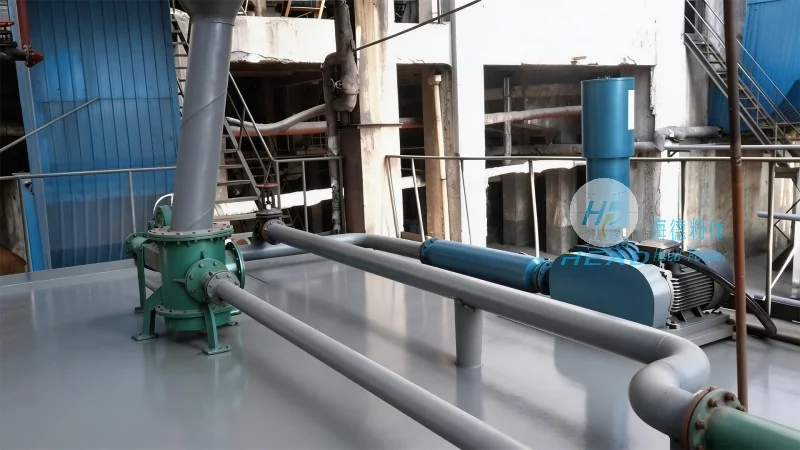
Vibrating conveyors use vibrations to move petroleum coke powder along a trough or conveyor bed. The vibrations are typically generated by an electric motor with an unbalanced weight, which causes the conveyor to move the material forward. These systems are suitable for horizontal or slightly inclined transport and can handle a wide range of material sizes and moisture content. Vibrating conveyors are relatively low-cost and easy to install, and they require minimal maintenance. However, they may not be suitable for very long distances or high material flow rates, as the vibration can cause material segregation and may not be effective for very fine powders. They are often used in applications where the material needs to be moved gently, such as in food processing or pharmaceutical industries, but can also be adapted for petroleum coke powder transport.
When selecting a petroleum coke powder conveying method, it is essential to consider the specific characteristics of the material, the distance to be covered, and the operational requirements of the facility. Each method has its advantages and limitations, and the optimal choice depends on the individual needs of the application. By understanding the different options available, industrial operators can choose the most efficient and cost-effective conveying system for their petroleum coke powder transport needs.

 Công ty TNHH Kỹ thuật Công trình Bột Hải Đức Sơn Đông
 156-6277-7102(Quản lý Trương)
  0531-83386006
  Quận Chương Khâu, Thành phố Tế Nam, Tỉnh Sơn Đông, Trung Quốc
Điện thoại
WeChatTư vấn
Lên đầu