Công ty Hải Đức Bột với hơn 10 năm kinh nghiệm vận chuyển khí, cung cấp hệ thống‑thiết bị‑quạt gió và nhận dự án tổng thầu bột cả nước
Shandong HeadPowder Engineering Co., Ltd., commonly known as headpowder, specializes in the design and implementation of efficient powder handling systems, particularly for applications involving electrolyte powders. With a focus on precision and reliability, the company provides tailored solutions to meet the diverse needs of industries that rely on consistent and safe powder transport. This article explores the various methods used for conveying powder electrolytes, highlighting the key considerations and advantages of each approach.
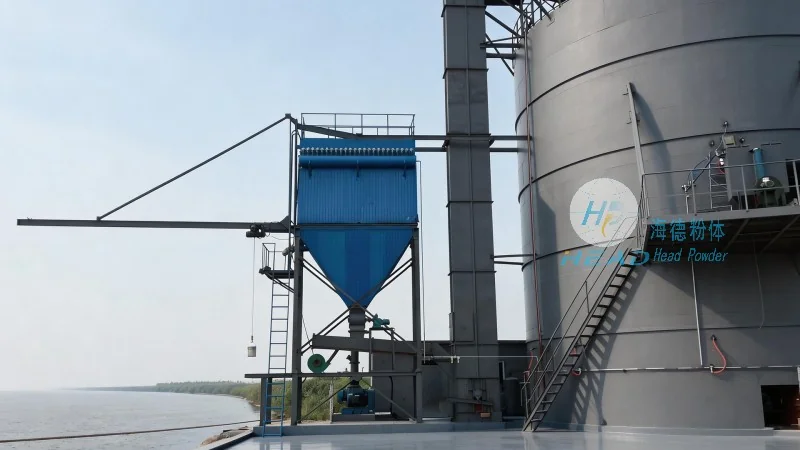
Pneumatic Conveying Systems
Pneumatic conveying is a widely used method for transporting powder electrolytes due to its ability to handle fine powders and provide a closed system that minimizes contamination. This technique utilizes compressed air or other gases to move the powder through a pipeline. There are two main types of pneumatic conveying: pressure and vacuum systems. Pressure systems operate by pushing the powder with high-pressure air, while vacuum systems draw the powder into the system using a vacuum. The choice between these depends on factors such as the distance of transport, the volume of material, and the required flow rate. Pneumatic systems are particularly effective for transporting electrolyte powders that are sensitive to moisture or air exposure, as they maintain a sealed environment throughout the process. The equipment typically includes a hopper, a conveyor line, and a control system to regulate the air flow and powder movement. Headpowder's expertise in pneumatic conveying ensures that clients receive systems optimized for their specific electrolyte characteristics, such as particle size and moisture content. This approach not only enhances the efficiency of powder transport but also contributes to product quality by preventing agglomeration and maintaining uniform particle distribution.
Mechanical Conveying Systems
Mechanical conveying methods rely on mechanical components to move powder electrolytes. These systems are often preferred for bulk material handling and long-distance transport. The most common types include screw conveyors, belt conveyors, and bucket elevators. Screw conveyors use a rotating screw to push the powder along a trough, making them suitable for horizontal or slight incline transport. Belt conveyors, on the other hand, use a continuous belt to carry the powder, which is ideal for longer distances and larger volumes. Bucket elevators lift the powder vertically using buckets attached to a chain or belt, providing a reliable solution for vertical transport. Mechanical systems are generally more cost-effective for large-scale operations and can handle a wide range of powder types, including those with higher moisture content or larger particle sizes. However, they may require more maintenance compared to pneumatic systems and can be less effective for fine, cohesive powders that tend to stick to the conveying components. Headpowder's mechanical conveying solutions are designed to address these challenges by incorporating features such as variable speed drives and anti-stick coatings to improve performance and longevity. This ensures that the powder electrolytes are transported efficiently without compromising the integrity of the material.
Vacuum Belt Conveyors
Vacuum belt conveyors combine the benefits of both pneumatic and mechanical conveying methods. This system uses a belt to transport the powder while a vacuum is applied to the underside of the belt, creating an air seal that prevents dust and material loss. The vacuum also helps to keep the powder in contact with the belt, reducing the risk of spillage and improving material handling. Vacuum belt conveyors are particularly advantageous for transporting fine powder electrolytes that are prone to dusting or require a clean environment. They are commonly used in industries such as battery manufacturing, where the purity of the electrolyte is critical. The design of these conveyors allows for gentle handling of the powder, minimizing particle degradation and maintaining the desired particle size distribution. Headpowder's vacuum belt conveyor systems are engineered to provide consistent performance and low maintenance, ensuring that the powder electrolytes are conveyed safely and efficiently. This method is especially suitable for applications where both material containment and environmental control are essential, making it a preferred choice for many clients.
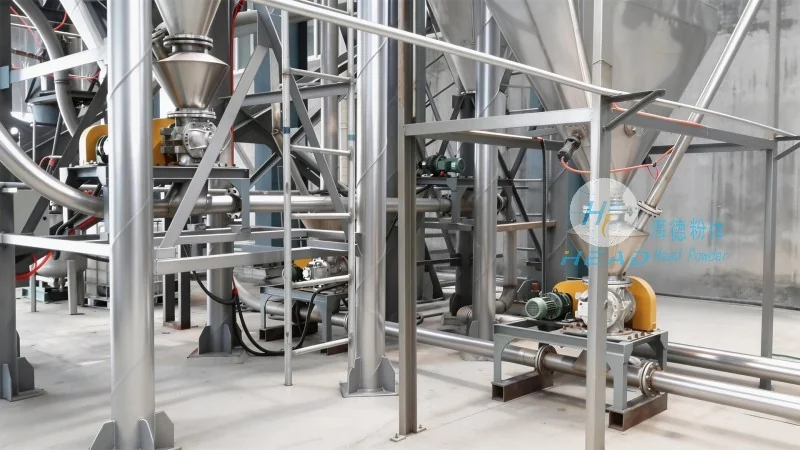
Gravity Conveying
Gravity conveying is a simple and cost-effective method for transporting powder electrolytes over short distances and with minimal elevation changes. This technique relies on the natural force of gravity to move the powder from a higher to a lower level. The system typically consists of a sloped conveyor or chute that allows the powder to flow under its own weight. Gravity conveying is ideal for applications where the powder is relatively free-flowing and not prone to bridging or caking. It is commonly used in processes where the powder needs to be transferred from a storage bin to a processing unit or from one stage of a production line to another. The simplicity of gravity conveying makes it a popular choice for small-scale operations or for handling bulk quantities of powder electrolytes. However, it has limitations in terms of distance and elevation, as the slope required to achieve sufficient flow may not be feasible for all applications. Headpowder's gravity conveying solutions are designed to optimize the flow characteristics of the powder electrolytes by adjusting the slope and chute dimensions. This ensures that the material moves smoothly and consistently, reducing the risk of blockages and improving overall system efficiency. While gravity conveying may not be suitable for all scenarios, it remains a viable option for many industries that require straightforward and economical powder transport solutions.
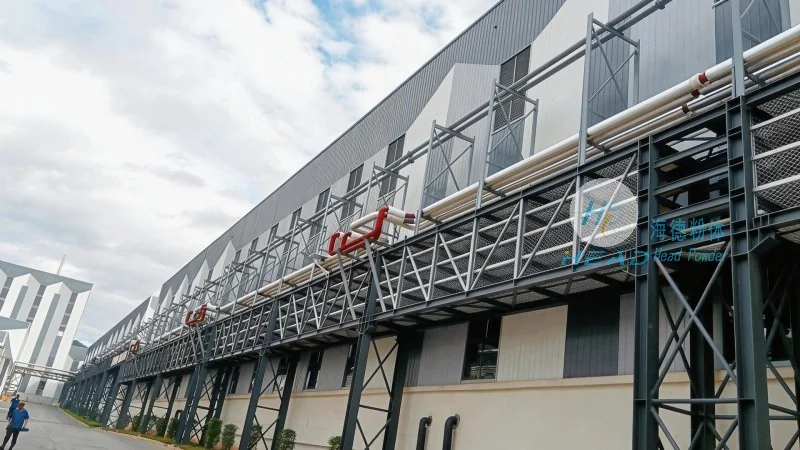
Hybrid Conveying Systems
Hybrid conveying systems integrate multiple methods to address the specific challenges of transporting powder electrolytes. These systems combine the advantages of pneumatic, mechanical, and other technologies to provide a comprehensive solution. For example, a hybrid system might use a pneumatic conveyor for the initial transport of fine powder electrolytes and then switch to a mechanical conveyor for the final stage of delivery. This approach allows for flexibility in handling different powder characteristics and operational requirements. Hybrid systems are particularly useful when dealing with complex powder handling processes that involve multiple stages or varying material properties. Headpowder specializes in designing and implementing hybrid conveying solutions that are tailored to the unique needs of each client. By combining the strengths of different technologies, these systems can achieve higher efficiency, better material control, and reduced operational costs. The integration of sensors and control systems in hybrid conveying systems also enables real-time monitoring and adjustment, ensuring optimal performance and product quality. This approach is especially beneficial for industries that require high precision and consistency in their powder electrolyte transport, such as battery manufacturing and electronics production.
Key Considerations for Choosing a Conveying Method
When selecting a powder electrolyte conveying method, several factors must be considered to ensure the most effective and efficient solution. The first is the physical properties of the powder, including particle size, density, moisture content, and flowability. Fine powders with high moisture content may require pneumatic or vacuum systems to prevent agglomeration and maintain particle integrity. Coarser or free-flowing powders may be better suited for mechanical or gravity conveying. The distance and elevation changes between the source and destination are also critical factors. Longer distances or significant elevation changes may necessitate the use of pneumatic or mechanical systems with higher power requirements. The required flow rate and throughput are another important consideration, as different systems have varying capacities. Additionally, the need for environmental control, such as dust suppression or containment, should be evaluated. Industries that require a clean environment or need to prevent material loss may opt for vacuum or sealed pneumatic systems. Finally, the cost and maintenance requirements of each system must be assessed to ensure it aligns with the client's budget and operational goals. Headpowder's expertise in powder handling allows them to provide comprehensive guidance on these considerations, helping clients choose the most appropriate conveying method for their specific applications.
Conclusion
Choosing the right powder electrolyte conveying method is essential for ensuring efficient, reliable, and safe transport of electrolyte powders. Pneumatic, mechanical, vacuum belt, gravity, and hybrid systems each offer unique advantages and are suitable for different applications. By considering the physical properties of the powder, the distance and elevation changes, the required flow rate, and environmental requirements, industries can select the most effective conveying solution. Shandong HeadPowder Engineering Co., Ltd. (headpowder) specializes in providing tailored powder handling systems that address these factors and meet the specific needs of their clients. With a focus on precision, reliability, and customer satisfaction, headpowder delivers high-quality conveying solutions that enhance operational efficiency and product quality. Whether for battery manufacturing, electronics production, or other industries that rely on powder electrolytes, headpowder's expertise ensures that the transport of these critical materials is handled with the utmost care and efficiency.

 Công ty TNHH Kỹ thuật Công trình Bột Hải Đức Sơn Đông
 156-6277-7102(Quản lý Trương)
  0531-83386006
  Quận Chương Khâu, Thành phố Tế Nam, Tỉnh Sơn Đông, Trung Quốc
Điện thoại
WeChatTư vấn
Lên đầu