Công ty Hải Đức Bột với hơn 10 năm kinh nghiệm vận chuyển khí, cung cấp hệ thống‑thiết bị‑quạt gió và nhận dự án tổng thầu bột cả nước
Wood chip conveying is a critical process in the wood processing industry, ensuring efficient transport of wood chips from one location to another. The method chosen depends on various factors such as the type of wood, the distance to be covered, and the required throughput. There are several common methods used for wood chip conveying, each with its own advantages and applications.
1. Belt Conveyors for Wood Chip Transport
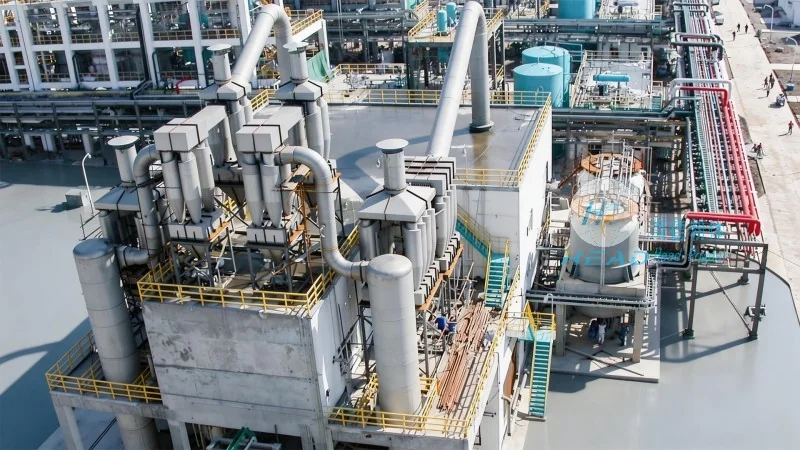
Belt conveyors are one of the most widely used methods for wood chip conveying. They consist of a continuous belt that moves over rollers or pulleys, transporting wood chips from the source to the destination. This method is particularly effective for long-distance transport and can handle a wide range of chip sizes and types. The belt can be made of various materials, including rubber or synthetic fabrics, to withstand the abrasive nature of wood chips. Belt conveyors are known for their high capacity and low maintenance requirements, making them a popular choice in many wood processing facilities. They can be installed both horizontally and at an incline, allowing for versatile layouts in processing plants.
2. Screw Conveyors (Augers) for Wood Chip Handling
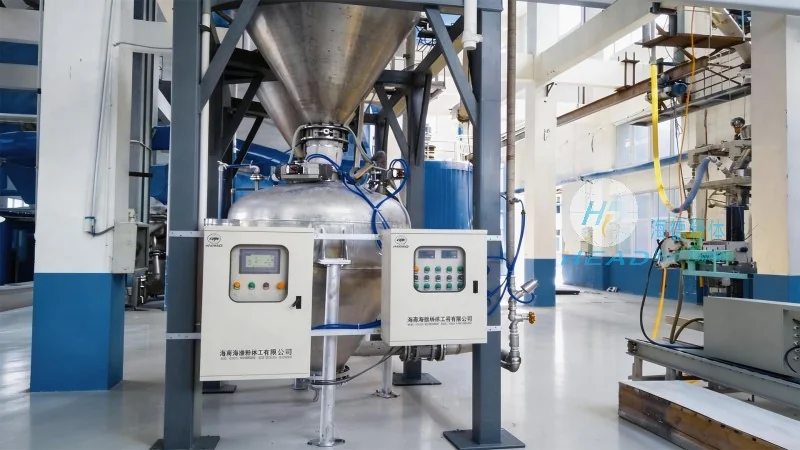
Screw conveyors, also known as augers, are another common method for wood chip conveying. These systems use a rotating screw or auger to move wood chips through a tube or trough. Screw conveyors are well-suited for vertical or inclined transport, as they can lift wood chips to higher levels without the need for additional equipment. They are particularly effective for handling fine or wet wood chips, as the screw can maintain a consistent flow and prevent clogging. Screw conveyors are compact and can be easily integrated into existing processing lines. However, they may not be as efficient for very long horizontal distances compared to belt conveyors.
3. Pneumatic Conveying Systems for Wood Chips
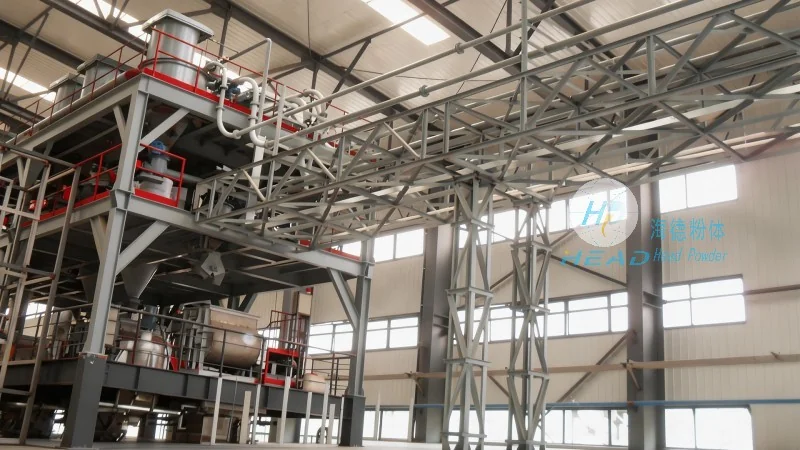
Pneumatic conveying systems use air pressure to transport wood chips through a pipeline. This method is ideal for applications where dust control is a priority or where the distance is relatively short. There are two main types of pneumatic conveying: pressure and vacuum systems. Pressure systems use compressed air to push the wood chips through the pipeline, while vacuum systems use a vacuum to draw the chips in. Pneumatic conveying is effective for handling fine wood chips and can be used for both horizontal and vertical transport. However, it requires careful design to ensure proper air flow and to prevent particle separation or degradation of the wood chips.
4. Hydraulic Conveyors for Heavy-Duty Wood Chip Transport
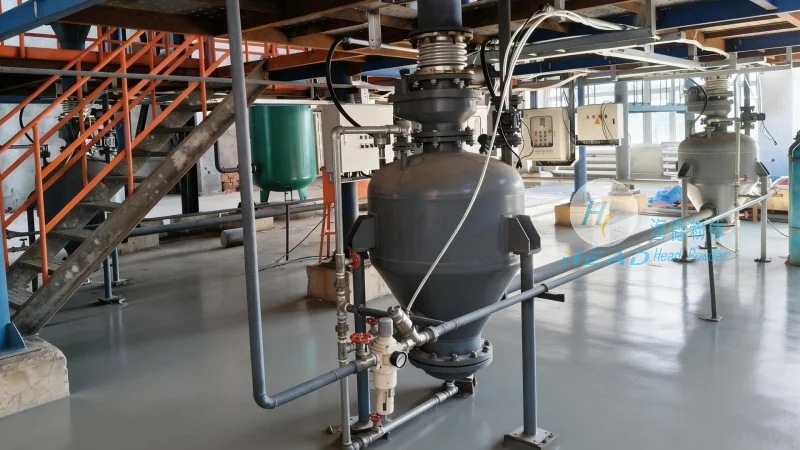
Hydraulic conveyors use hydraulic power to move wood chips through a system of pipes and valves. This method is suitable for heavy-duty applications where large volumes of wood chips need to be transported over long distances. Hydraulic conveyors can handle a wide range of chip sizes and can be designed to operate under high pressure. They are often used in industrial settings where reliability and durability are essential. However, hydraulic systems require regular maintenance and can be more complex to install compared to other methods.
5. Combination Conveying Systems for Optimal Performance
In many cases, a combination of the above methods is used to achieve optimal performance in wood chip conveying. For example, a belt conveyor might be used for the initial horizontal transport, followed by a screw conveyor for vertical lifting, and then a pneumatic system for final delivery. This integrated approach allows for efficient handling of wood chips throughout the entire process. Companies like Shandong HeadPowder Engineering Co., Ltd. specialize in designing and manufacturing customized conveying systems tailored to the specific needs of wood processing facilities. Their expertise in material handling and conveyor technology ensures that clients receive solutions that are both efficient and cost-effective.

 Công ty TNHH Kỹ thuật Công trình Bột Hải Đức Sơn Đông
 156-6277-7102(Quản lý Trương)
  0531-83386006
  Quận Chương Khâu, Thành phố Tế Nam, Tỉnh Sơn Đông, Trung Quốc
Điện thoại
WeChatTư vấn
Lên đầu