Công ty Hải Đức Bột với hơn 10 năm kinh nghiệm vận chuyển khí, cung cấp hệ thống‑thiết bị‑quạt gió và nhận dự án tổng thầu bột cả nước
Wheat bran, a byproduct of wheat milling, is widely utilized in animal feed, food production, and industrial applications. Efficient and reliable transportation of wheat bran is vital for preserving product quality and ensuring seamless operations in processing facilities. This article examines various methods employed for wheat bran transportation, highlighting key considerations and technologies involved.
Overview of Wheat Bran Transportation
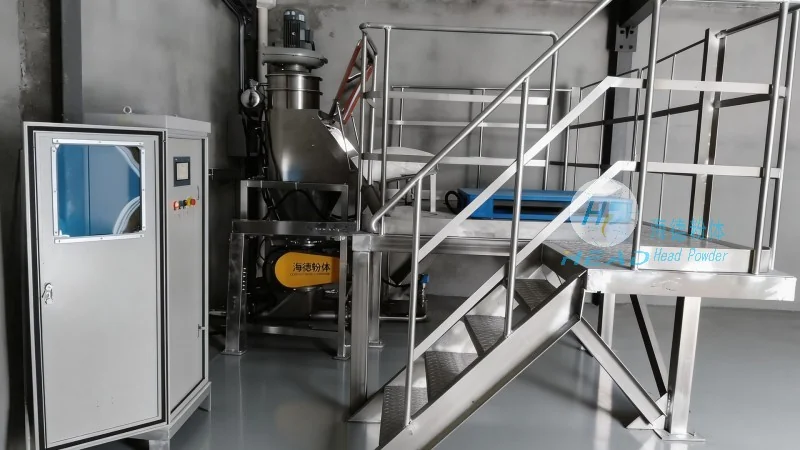
Wheat bran is a light, dry material that can be transported using techniques tailored to the specific needs of processing plants. The choice of method depends on factors such as moisture content, bulk density, transport distance, and hygiene requirements. Common approaches include mechanical conveyors, pneumatic systems, and bucket elevators, each offering distinct advantages and limitations.
1. Mechanical Conveyors for Wheat Bran
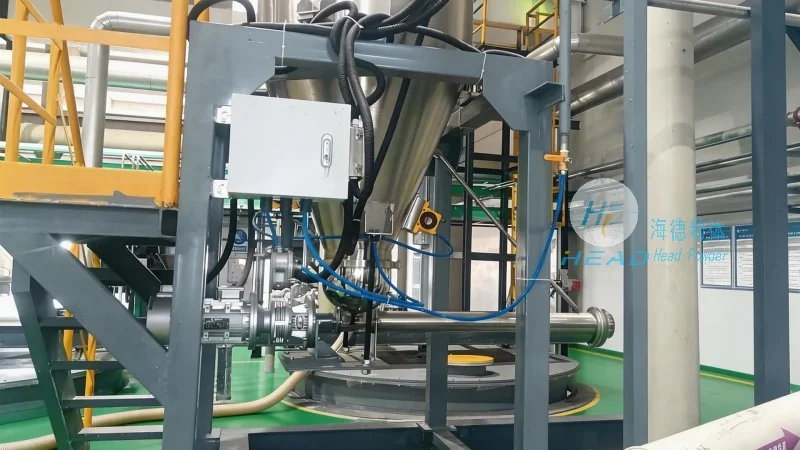
Mechanical conveyors are among the most prevalent systems for wheat bran transport due to their simplicity, reliability, and low maintenance. These systems typically use belts, chains, or buckets to move material along a fixed path. Belt conveyors are particularly effective for wheat bran as they handle large volumes with minimal dust generation. The smooth belt surface reduces friction and prevents material sticking, ensuring consistent flow. Cleaning mechanisms can be integrated to maintain hygiene, critical in food and animal feed applications. HeadPowder, a leading manufacturer, offers customized belt conveyor solutions optimized for wheat bran transportation in diverse industrial settings.
2. Pneumatic Conveying Systems
Pneumatic conveying, or air-based transport, is another popular method, especially for longer distances or where dust control is a priority. This system uses compressed air to move material through pipelines. Two main types exist: dilute-phase (short to medium distances, low to medium flow rates) and dense-phase (longer distances, higher flow rates using higher air pressure). Pneumatic systems excel at minimizing dust exposure and providing closed-loop environments, preserving product purity and reducing contamination risk. However, they require more energy and are more complex to install/maintain compared to mechanical conveyors. HeadPowder specializes in designing pneumatic equipment tailored to wheat bran characteristics, ensuring optimal performance and reliability.
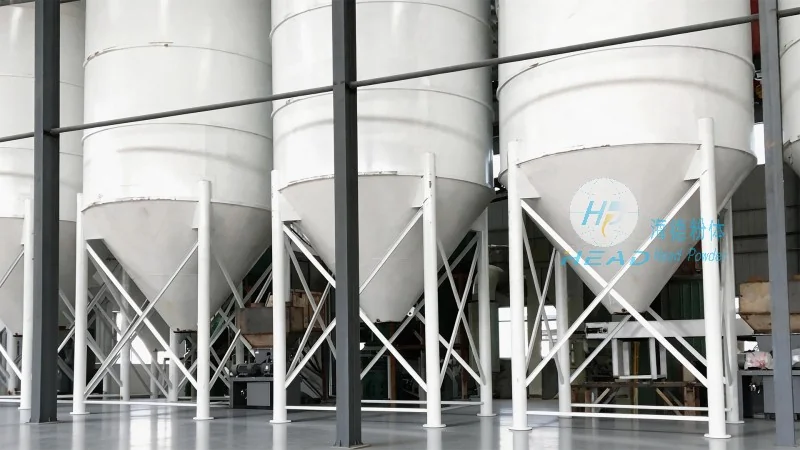
3. Bucket Elevators and Vertical Conveyors
For vertical or inclined transport, bucket elevators are ideal. These systems use buckets attached to chains/belts to lift material upward in a vertical shaft. They efficiently handle large volumes to significant heights with minimal space. Enclosed designs help contain dust and maintain quality, suitable for food and industrial use. HeadPowder provides robust bucket elevator solutions engineered to withstand abrasive bran and ensure long-term durability. These systems include safety features and easy maintenance, ensuring reliable operation in demanding environments.
4. Combination Systems for Optimal Efficiency
In many plants, a mix of methods is used for flexibility. For example, a belt conveyor might move bran from the milling area to a silo, followed by a pneumatic system to the processing unit. This hybrid approach integrates the strengths of mechanical and pneumatic systems, minimizing downtime and energy use. HeadPowder offers comprehensive solutions that combine different conveyors, ensuring seamless wheat bran transport. By leveraging the best of both worlds, these integrated systems enhance operational performance.
Key Considerations for Wheat Bran Transportation
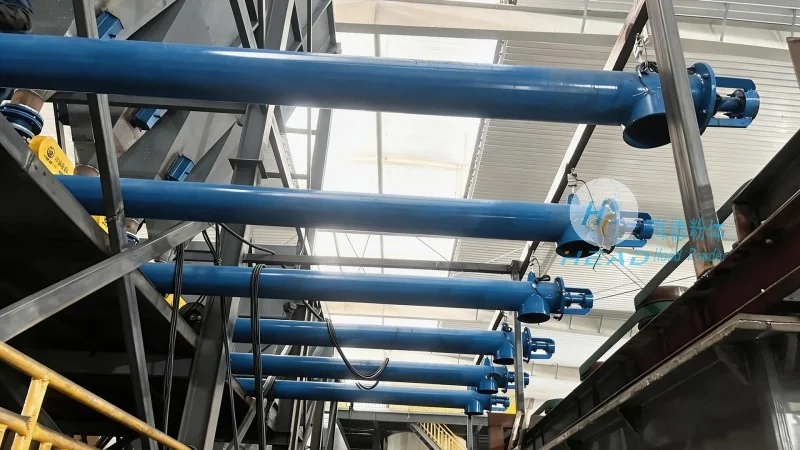
When selecting a method, factors like moisture content (high moisture causes clumping), bulk density (affects flow and capacity), distance/elevation changes, and hygiene must be evaluated. Low-moisture bran is easier to handle, while higher bulk density may require more powerful conveyors. Enclosed designs and regular cleaning are essential for contamination control. HeadPowder's expertise in these areas ensures clients choose the most efficient solutions for their specific needs.
Conclusion
Efficient wheat bran transportation is crucial for processing facility success. By selecting the right method based on operational requirements, companies can maintain product quality and smooth operations. HeadPowder Engineering Co., Ltd., a leading industrial conveyor provider, offers customized solutions tailored to wheat bran handling. With decades of experience and advanced engineering, HeadPowder helps clients reduce costs and improve efficiency. Located in Shandong, China, HeadPowder combines technology and expertise to deliver reliable transportation solutions for bulk materials like wheat bran.

 Công ty TNHH Kỹ thuật Công trình Bột Hải Đức Sơn Đông
 156-6277-7102(Quản lý Trương)
  0531-83386006
  Quận Chương Khâu, Thành phố Tế Nam, Tỉnh Sơn Đông, Trung Quốc
Điện thoại
WeChatTư vấn
Lên đầu