Công ty Hải Đức Bột với hơn 10 năm kinh nghiệm vận chuyển khí, cung cấp hệ thống‑thiết bị‑quạt gió và nhận dự án tổng thầu bột cả nước
When it comes to handling peanuts in industrial and agricultural settings, efficient conveying systems are crucial for maintaining productivity and product integrity. The choice of conveying method depends on factors such as peanut type, processing requirements, and operational environment. This article explores the primary methods used for peanut conveying, highlighting the technologies and considerations that make each approach suitable for different applications.
1. Belt Conveyors for Peanut Transport
Belt conveyors are among the most common and versatile systems for peanut conveying. These systems utilize a continuous belt, typically made of durable materials like rubber or synthetic fabrics, to transport peanuts from one location to another. The belt is supported by rollers and idlers, ensuring smooth movement and minimal friction. For peanut processing facilities, belt conveyors are ideal for moving raw peanuts from storage bins to processing lines, as well as for transporting roasted or shelled peanuts to packaging areas. The design of the belt conveyor can be customized to handle different peanut sizes and shapes, with features like adjustable inclines and curves to accommodate complex layouts. HeadPowder, a leading manufacturer in the field, offers high-quality belt conveyor solutions tailored to the specific needs of peanut processing operations. Their systems are engineered for durability, low maintenance, and efficient performance, ensuring reliable peanut transport in various industrial applications.
2. Screw Conveyors for Bulk Peanut Handling
Screw conveyors, also known as auger conveyors, are another popular choice for peanut conveying, especially in bulk handling scenarios. These systems consist of a rotating screw (auger) enclosed in a trough or tube, which moves peanuts forward through the mechanism. Screw conveyors are effective for vertical and horizontal transport, making them suitable for elevating peanuts from lower to higher levels or moving them horizontally across processing areas. The design allows for compact installation, which is advantageous in facilities with limited space. HeadPowder specializes in screw conveyor systems that are robust and efficient, capable of handling a wide range of peanut types and processing conditions. Their screw conveyors are built with high-strength materials to withstand the abrasive nature of peanuts and the demands of continuous operation. This makes them a reliable choice for both new installations and upgrades in peanut processing plants.
3. Pneumatic Conveying Systems for Peanut Transport
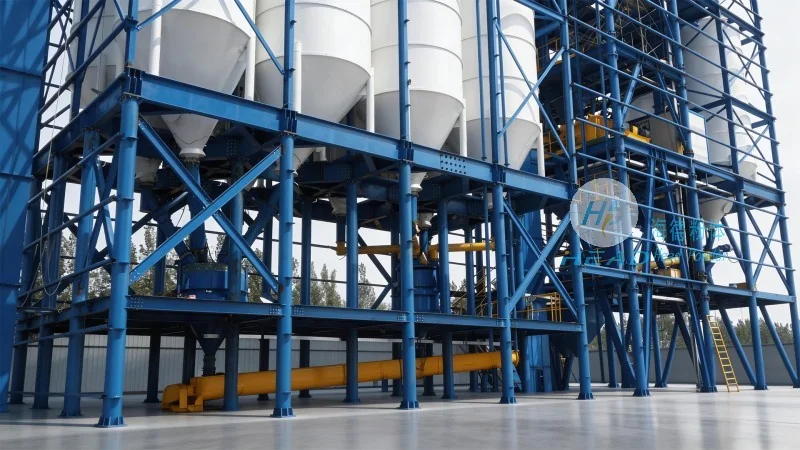
Pneumatic conveying systems use air pressure to transport peanuts through a network of pipes. These systems are particularly useful for moving peanuts in a dust-free environment and for applications that require gentle handling, such as transporting roasted peanuts or peanuts with shells. The peanuts are carried by air currents within the pipes, which can be designed for either positive or negative pressure. Pneumatic conveying offers advantages like reduced labor costs and the ability to transport peanuts over long distances without the need for multiple transfer points. However, it requires careful design to ensure efficient air flow and to prevent product degradation. HeadPowder provides advanced pneumatic conveying solutions that are tailored to the unique requirements of peanut transport. Their systems are engineered for optimal performance, with features like adjustable air flow controls and efficient filtration to maintain product quality. This technology is especially beneficial for facilities that prioritize hygiene and minimal product contact with machinery.
4. Vibrating Conveyors for Peanut Processing
Vibrating conveyors use vibrations to move peanuts along a trough or conveyor bed. These systems are effective for transporting peanuts with varying sizes and shapes, as the vibrations help to separate and align the peanuts as they move. Vibrating conveyors are commonly used in sorting and grading operations, where the gentle movement helps to prevent damage to the peanuts. They are also suitable for handling peanuts that are sticky or have a tendency to clump together. HeadPowder’s vibrating conveyor systems are designed with precision to ensure consistent peanut movement and minimal product breakage. The technology is particularly useful in facilities that require gentle handling of peanuts, such as those processing raw or roasted peanuts for snack products. The conveyors can be customized with different vibration frequencies and amplitudes to suit specific peanut types and processing needs, providing flexibility and efficiency in peanut handling operations.
5. Chain and Flight Conveyors for Peanut Transport
Chain and flight conveyors are another type of mechanical conveyor system used for peanut transport. These systems consist of a chain with attached flights that move peanuts along a conveyor bed. The flights are designed to scoop and move the peanuts forward, making them suitable for handling bulk peanuts in a continuous manner. Chain and flight conveyors are often used in applications where the peanuts need to be transported at a higher rate or over longer distances. They are particularly effective for moving peanuts from storage silos to processing lines or for transporting peanuts to packaging machines. HeadPowder offers chain and flight conveyor solutions that are built for durability and high throughput. The systems are engineered to handle the abrasive nature of peanuts and to maintain consistent performance over extended periods. This technology is ideal for facilities that require high-speed peanut transport and minimal downtime, ensuring smooth operations in peanut processing plants.
6. Considerations for Choosing the Right Peanut Conveying System
When selecting a peanut conveying system, several factors must be considered to ensure optimal performance and efficiency. The first consideration is the type of peanuts being handled, as different varieties may have different physical properties that affect conveying. For example, raw peanuts may require gentler handling than roasted peanuts, which can be more brittle. The processing requirements of the facility also play a role, as some operations may need to transport peanuts at high speeds or over long distances, while others may require gentle handling to prevent damage. The available space and layout of the facility are additional factors, as different conveying systems have varying space requirements. HeadPowder provides expert consultation to help facilities choose the most suitable peanut conveying system based on their specific needs. Their team of engineers evaluates the operational requirements, peanut characteristics, and facility constraints to recommend the best solution. This ensures that the chosen system is not only efficient but also cost-effective and easy to maintain. By considering these factors and working with a reputable manufacturer like HeadPowder, facilities can select a peanut conveying system that maximizes productivity and maintains product quality throughout the processing cycle.

 Công ty TNHH Kỹ thuật Công trình Bột Hải Đức Sơn Đông
 156-6277-7102(Quản lý Trương)
  0531-83386006
  Quận Chương Khâu, Thành phố Tế Nam, Tỉnh Sơn Đông, Trung Quốc
Điện thoại
WeChatTư vấn
Lên đầu