Công ty Hải Đức Bột với hơn 10 năm kinh nghiệm vận chuyển khí, cung cấp hệ thống‑thiết bị‑quạt gió và nhận dự án tổng thầu bột cả nước
In industrial manufacturing, the efficient and reliable transport of ceramic powders is a critical process that impacts production quality, operational efficiency, and overall cost management. Ceramic powders, due to their fine particle size and sometimes hygroscopic nature, require specialized handling to prevent agglomeration, contamination, or loss of material. The selection of an appropriate conveying method is therefore essential, as it directly influences the integrity of the powder and the performance of downstream processes. This article outlines the key methods used for ceramic powder transport, focusing on their operational principles, advantages, and typical applications.
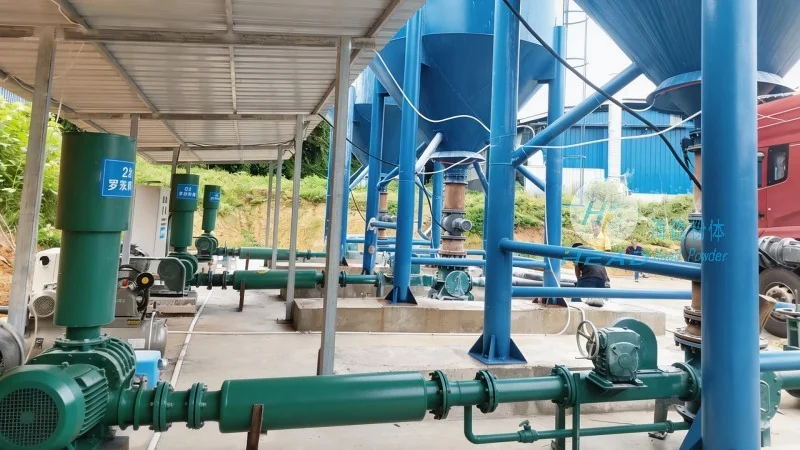
1. Pneumatic Conveying Systems
Pneumatic conveying, also known as air conveying, is one of the most common methods for transporting ceramic powders. This technique uses a stream of air to move particles through a pipeline. There are two main types: pressure and vacuum systems. Pressure systems use compressed air to push the powder, while vacuum systems use a vacuum to pull the material. Pneumatic conveying offers several benefits, including the ability to transport powders over long distances, handle a wide range of particle sizes, and maintain a closed system that prevents dust emissions. For ceramic powders, which are often sensitive to moisture and contamination, the sealed nature of pneumatic systems is particularly advantageous. However, the choice between pressure and vacuum depends on the specific application. For example, pressure systems are suitable for high-volume, short-distance transport, whereas vacuum systems are ideal for handling powders from multiple sources or for applications requiring gentle handling.
2. Mechanical Conveying Equipment
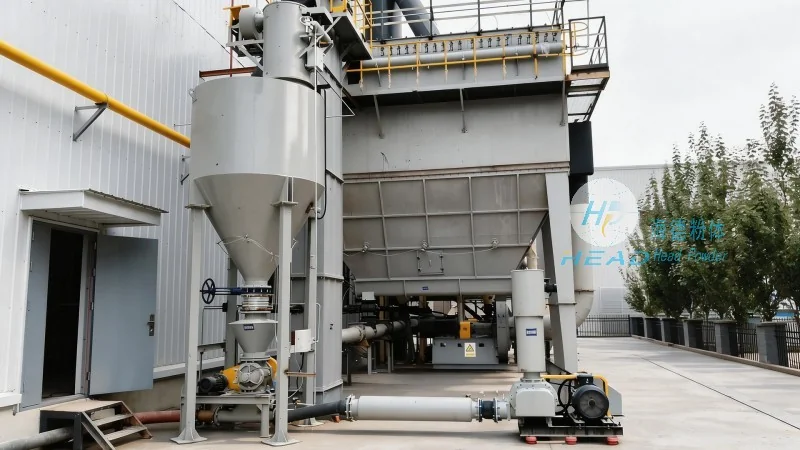
For applications where ceramic powders need to be moved over shorter distances or in environments where air quality is a concern, mechanical conveying systems are often preferred. These systems rely on mechanical components to move the powder, such as screws, belts, or buckets. The most common types include screw conveyors, belt conveyors, and bucket elevators. Screw conveyors use a rotating screw to push the powder along a trough, making them suitable for horizontal or slight incline transport. They are particularly effective for handling free-flowing powders and can be used in both pressure and vacuum configurations. Belt conveyors, on the other hand, use a continuous belt to transport powders, offering high capacity and low maintenance. They are ideal for bulk material handling and can be integrated with other equipment for automated material flow. Bucket elevators are used for vertical transport, lifting powders from lower to higher levels. These systems are robust and can handle abrasive materials, making them suitable for ceramic powders that may contain hard particles. Mechanical conveyors are generally more cost-effective for short-distance transport and are less affected by changes in air pressure or temperature compared to pneumatic systems.
3. Vacuum Conveying Systems
Vacuum conveying is a specialized form of pneumatic conveying that uses a vacuum to draw ceramic powders into a collection system. This method is particularly useful for handling powders from multiple points or for applications where the material needs to be collected from a dusty environment. The vacuum system typically includes a vacuum pump, a filter, and a collection vessel. The process involves creating a negative pressure that pulls the powder through a hose or pipeline, ensuring that the material is contained and transported safely. Vacuum conveying is often preferred for fine powders that are prone to dusting or for materials that require gentle handling to avoid particle breakage. It is commonly used in pharmaceutical and food industries, but its principles are equally applicable to ceramic powders. The main advantages of vacuum conveying include its ability to handle powders from multiple sources, reduce dust exposure, and maintain a clean working environment. However, it may not be as efficient for long-distance transport as pressure systems and can be more complex to install and maintain.
4. Hybrid Conveying Solutions
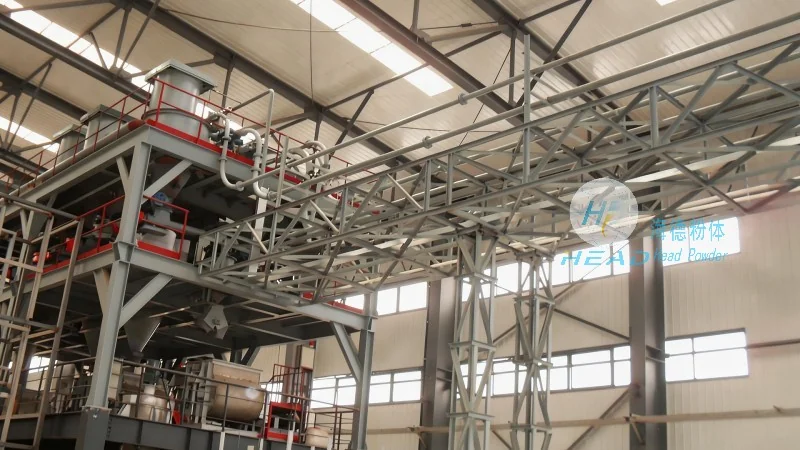
In some cases, a combination of pneumatic and mechanical conveying methods is used to achieve optimal performance. Hybrid systems may use a mechanical conveyor to transport powders over short distances and then switch to pneumatic conveying for longer transport segments. This approach allows for flexibility in handling different powder types and flow rates. For example, a screw conveyor might transport ceramic powders from a hopper to a pneumatic line, where the powder is then moved to a processing unit. Hybrid solutions are particularly useful when dealing with large volumes of powder or when the application requires both high efficiency and gentle handling. They can also help in reducing energy consumption by using the most appropriate method for each stage of the transport process.
5. Factors Influencing Conveying Method Selection
The choice of ceramic powder conveying method is influenced by several key factors. First, the physical properties of the powder, such as particle size, density, and moisture content, play a significant role. Fine powders with high moisture content may require more gentle handling, making vacuum or low-pressure pneumatic systems preferable. Second, the distance and layout of the transport route affect the method selection. Short distances may be suitable for mechanical conveyors, while long distances or complex routes may require pneumatic systems. Third, the required flow rate and throughput are important considerations. High-volume applications may benefit from belt conveyors or high-capacity pneumatic systems. Fourth, environmental and safety regulations must be considered. Systems that minimize dust emissions and ensure worker safety are preferred in many industries. Finally, cost and maintenance considerations are critical. Mechanical systems are generally lower in initial cost and easier to maintain, while pneumatic systems may have higher energy costs but offer better flexibility.
About Shandong HeadPowder Engineering Co., Ltd.
Shandong HeadPowder Engineering Co., Ltd., a leading provider of ceramic powder handling solutions, specializes in designing and manufacturing advanced conveying systems tailored to the unique needs of the ceramic industry. With a focus on innovation and quality, the company offers a range of pneumatic, mechanical, and hybrid conveying solutions that ensure efficient, safe, and reliable transport of ceramic powders. HeadPowder's expertise in material handling technology, combined with a deep understanding of ceramic powder properties, enables them to deliver customized solutions that meet the specific requirements of their clients. The company is committed to providing sustainable and efficient solutions for the ceramic manufacturing sector, helping businesses optimize their production processes and enhance overall performance. Located in Shandong, China, HeadPowder serves clients globally with a reputation for excellence and reliability in the field of ceramic powder engineering.

 Công ty TNHH Kỹ thuật Công trình Bột Hải Đức Sơn Đông
 156-6277-7102(Quản lý Trương)
  0531-83386006
  Quận Chương Khâu, Thành phố Tế Nam, Tỉnh Sơn Đông, Trung Quốc
Điện thoại
WeChatTư vấn
Lên đầu