Công ty Hải Đức Bột với hơn 10 năm kinh nghiệm vận chuyển khí, cung cấp hệ thống‑thiết bị‑quạt gió và nhận dự án tổng thầu bột cả nước
When it comes to the transportation of polyolefins, there are several effective methods that ensure the safe and efficient movement of these essential polymers. These methods are tailored to meet the specific requirements of the polyolefin industry, considering factors such as material type, volume, and destination. The following overview details the primary approaches used for polyolefin transportation, highlighting the key aspects of each method and how they contribute to the overall logistics of polyolefin supply chains.
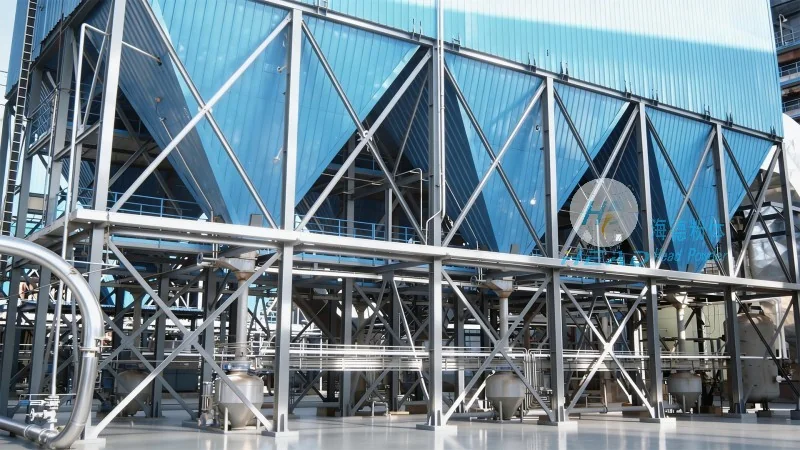
1. Pipeline Transportation
Pipeline transportation is a highly efficient and cost-effective method for moving large volumes of polyolefins, particularly in industrial settings where continuous and uninterrupted flow is critical. This method involves pumping polyolefin materials through specialized pipelines, which are constructed from materials such as stainless steel or high-density polyethylene to withstand the chemical and thermal properties of the polymers. The pipelines are typically equipped with temperature control systems and pressure regulators to maintain the optimal conditions for the polyolefin during transit, preventing degradation or changes in viscosity. Companies like Shandong HeadPowder Engineering Co., Ltd. may utilize advanced pipeline networks that connect production facilities directly to processing plants or distribution centers, minimizing the need for intermediate handling and reducing the risk of contamination. This approach is especially beneficial for applications involving polyethylene and polypropylene, which are widely used in various manufacturing processes, including plastic production, packaging, and construction materials. The use of pipelines also allows for the integration of automated monitoring systems, enabling real-time tracking of the polyolefin's temperature, pressure, and flow rate, ensuring that any deviations are immediately addressed.
2. Tank Truck Transportation
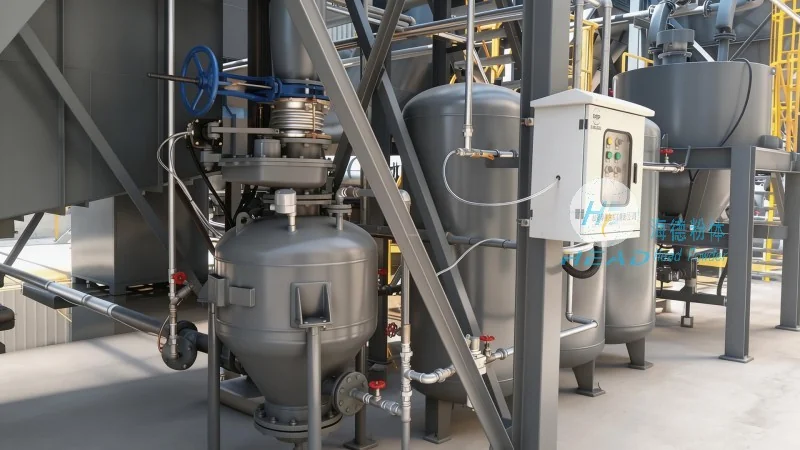
For medium to large-scale transportation, tank trucks are a popular and flexible choice for polyolefin movement. These vehicles are equipped with insulated, corrosion-resistant tanks that are specifically designed to handle the unique properties of polyolefins, including their temperature sensitivity and chemical stability. The tanks are often lined with materials like polyurethane or epoxy to prevent any interaction between the polyolefin and the tank surface, ensuring the purity of the material. The transportation process involves loading the polyolefin into the tank truck at the production site, where it is then transported to the customer or processing facility. The tank trucks are equipped with temperature control units, such as heating or cooling systems, to maintain the required temperature of the polyolefin throughout the journey. This method allows for the delivery of polyolefins to locations that may not be accessible by other means, such as remote manufacturing sites or areas with limited infrastructure. The efficiency of tank truck transportation is enhanced by the ability to load and unload materials quickly, often within a few hours, reducing overall transit time and ensuring timely delivery. Additionally, tank trucks can be used in conjunction with other transportation modes, such as rail or sea, for multi-modal logistics solutions, providing flexibility in the supply chain.
3. Containerized Transportation
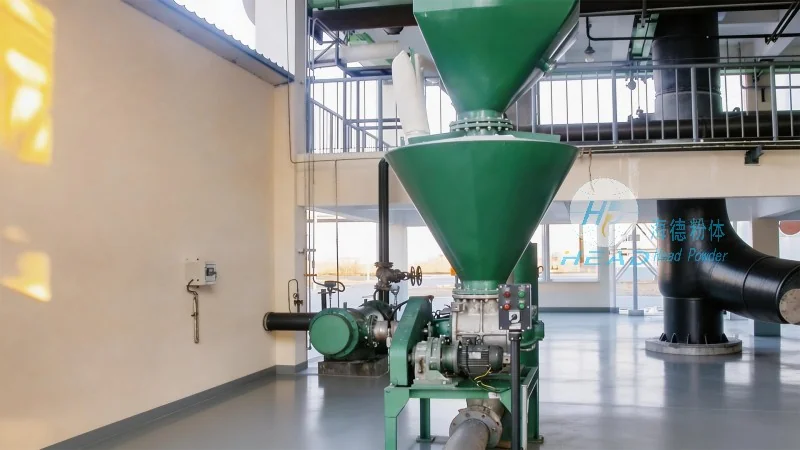
Containerized transportation, utilizing specialized containers or trailers, is suitable for transporting polyolefins in bulk or in smaller quantities, offering a versatile solution for various logistical needs. These containers are designed to protect the polyolefin from external factors such as temperature fluctuations, moisture, and physical damage, ensuring the integrity of the material during transit. The containers may be insulated or equipped with temperature control systems to maintain the optimal conditions for the polyolefin, preventing any degradation or changes in properties. This method is particularly useful for transporting polyolefins to international markets or for deliveries to locations with limited infrastructure, as containers can be easily transferred between different modes of transport, such as trucks, ships, and trains. Companies like HeadPowder may employ containerized transport to ensure the safe and secure movement of their polyolefin products, adhering to industry standards for packaging and handling. The use of containers also allows for the integration of tracking and monitoring systems, enabling real-time visibility of the shipment's location and condition. This level of transparency helps in managing the supply chain effectively and ensures that the polyolefin reaches its destination in optimal condition, ready for processing or distribution.
4. Bulk Handling and Storage
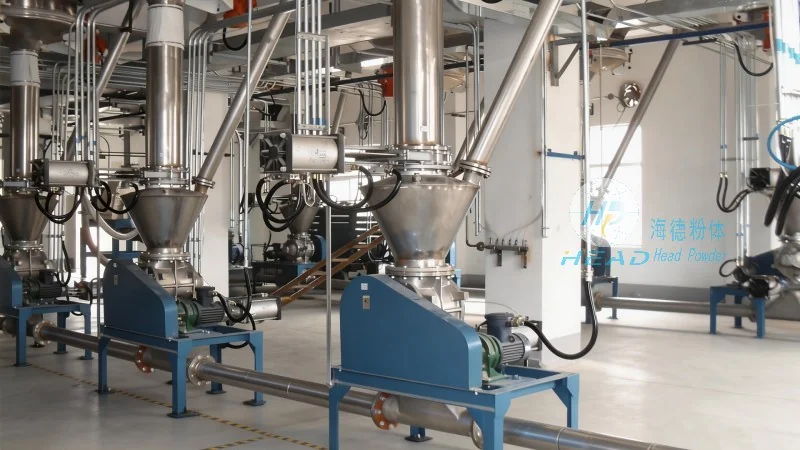
Bulk handling and storage methods are essential for managing large quantities of polyolefins, whether as raw materials or finished products. This approach involves the use of bulk storage tanks, silos, or bulk carriers that can store and manage polyolefins in their original form, minimizing the need for intermediate packaging. The storage facilities are designed to maintain the quality of the polyolefin by controlling temperature, humidity, and exposure to light, which are critical factors in preserving the material's properties. Bulk handling systems often include automated loading and unloading equipment, such as conveyor belts or robotic arms, which improve efficiency and reduce the risk of human error. The use of bulk storage allows for consistent supply to manufacturing facilities, ensuring that production processes are not interrupted by supply chain issues. This method is particularly important for industries that rely on a steady flow of polyolefins, such as plastics manufacturing, packaging production, and construction material production. The storage tanks are typically equipped with temperature control and monitoring systems, enabling operators to maintain the optimal conditions for the polyolefin. Additionally, bulk handling facilities may include blending or mixing equipment, allowing for the combination of different polyolefin types to create customized formulations for specific applications. This flexibility enhances the value of bulk storage and handling in the polyolefin supply chain.

 Công ty TNHH Kỹ thuật Công trình Bột Hải Đức Sơn Đông
 156-6277-7102(Quản lý Trương)
  0531-83386006
  Quận Chương Khâu, Thành phố Tế Nam, Tỉnh Sơn Đông, Trung Quốc
Điện thoại
WeChatTư vấn
Lên đầu