Công ty Hải Đức Bột với hơn 10 năm kinh nghiệm vận chuyển khí, cung cấp hệ thống‑thiết bị‑quạt gió và nhận dự án tổng thầu bột cả nước
Cotton fiber conveying is a critical process in the textile industry, ensuring efficient material handling from raw cotton to processing stages. The choice of conveying method significantly impacts productivity, material integrity, and operational costs. This article explores the primary methods used for cotton fiber transportation, highlighting their applications and benefits.
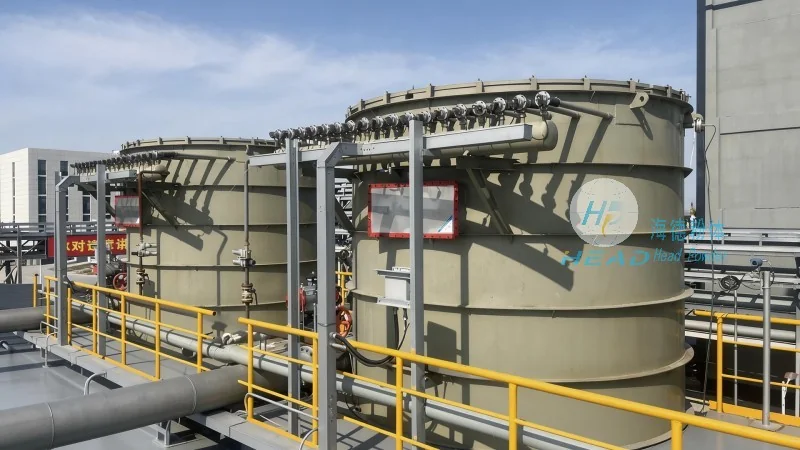
HeadPowder's Expertise in Cotton Fiber Conveying Solutions
Shandong HeadPowder Engineering Co., Ltd., a leading provider of industrial conveying systems, specializes in designing and manufacturing tailored solutions for cotton fiber handling. With years of experience in the industry, HeadPowder understands the unique challenges of cotton processing, including the need for gentle material handling to preserve fiber quality. The company's products are engineered to meet the specific demands of cotton mills, ensuring reliable and efficient operation.
Common Cotton Fiber Conveying Methods
Several methods are commonly employed for cotton fiber conveying, each with distinct advantages depending on the application and scale of the operation. The primary methods include:
Air-Flow Conveying (Pneumatic Conveying): This method uses compressed air to transport cotton fibers through a pipeline system. It is ideal for long-distance and high-volume transport, as it minimizes material degradation and allows for automated control. Air-flow conveying systems are particularly effective in environments where dust control and hygiene are essential.
Mechanical Conveying: Mechanical systems, such as belt conveyors, screw conveyors, and chain conveyors, are widely used for cotton fiber transport. These systems are suitable for short to medium distances and can handle a variety of fiber types. Mechanical conveyors offer high reliability and are relatively low-cost to install and maintain.
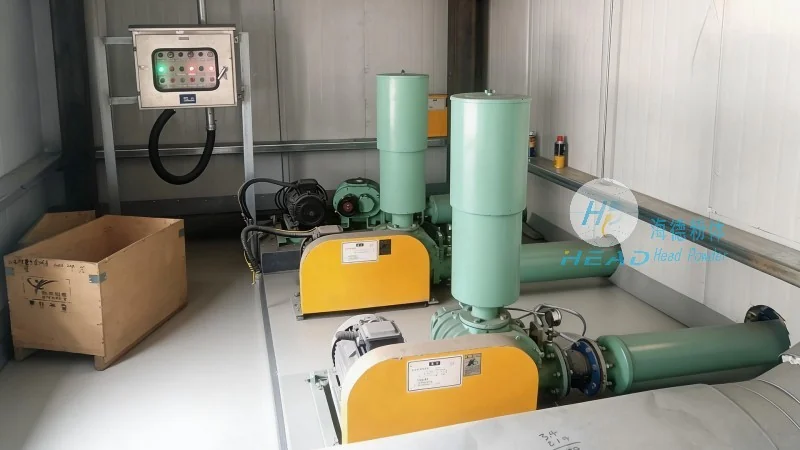
Gravity Conveying: Gravity systems utilize the natural weight of cotton fibers to move material down slopes or inclines. This method is simple and cost-effective for transporting fibers over short distances, particularly in settings where the layout allows for gravity-driven flow. However, it is limited by the need for specific terrain and may not be suitable for large-scale operations.
Key Considerations for Selecting a Conveying Method
When choosing a cotton fiber conveying method, several factors must be considered to ensure optimal performance and efficiency. These include:
Material Characteristics: The type of cotton fiber (e.g., short-staple, long-staple) and its moisture content affect the choice of conveying system. For example, air-flow systems are better suited for dry fibers, while mechanical systems may handle wet or sticky fibers more effectively.
Transport Distance and Volume: The distance between the source and destination, as well as the volume of cotton to be transported, influence the selection. Long-distance and high-volume applications often favor air-flow or mechanical systems, while short-distance and low-volume tasks may use gravity or simple belt conveyors.
Space and Layout Constraints: The available space and the existing infrastructure of the facility play a crucial role. For example, in a compact mill, mechanical or gravity systems may be more practical due to limited vertical or horizontal space.
Cost and Maintenance: The initial investment and ongoing maintenance costs are important considerations. Air-flow systems may have higher energy costs, while mechanical systems require regular maintenance of moving parts.
HeadPowder's Customized Conveying Solutions
Shandong HeadPowder Engineering Co., Ltd. offers customized conveying solutions that address the specific needs of cotton mills. The company's engineers work closely with clients to assess their operational requirements, material characteristics, and space constraints, then design a system that maximizes efficiency and minimizes downtime. HeadPowder's products are built with high-quality materials and advanced technology, ensuring durability and reliability in demanding industrial environments.
Conclusion
Cotton fiber conveying is a vital process in the textile industry, and the choice of method directly impacts the overall efficiency and quality of cotton processing. By understanding the different conveying options and considering key factors such as material characteristics, transport distance, and cost, mills can select the most suitable system for their operations. Shandong HeadPowder Engineering Co., Ltd. provides expert guidance and high-quality solutions to help cotton mills optimize their conveying processes and achieve better results.

 Công ty TNHH Kỹ thuật Công trình Bột Hải Đức Sơn Đông
 156-6277-7102(Quản lý Trương)
  0531-83386006
  Quận Chương Khâu, Thành phố Tế Nam, Tỉnh Sơn Đông, Trung Quốc
Điện thoại
WeChatTư vấn
Lên đầu