Công ty Hải Đức Bột với hơn 10 năm kinh nghiệm vận chuyển khí, cung cấp hệ thống‑thiết bị‑quạt gió và nhận dự án tổng thầu bột cả nước
Transporting arsenic trioxide is a critical process that demands careful planning and adherence to strict safety protocols. As a leading provider in the field, Shandong HeadPowder Engineering Co., Ltd. offers detailed insights into the various methods used for this hazardous material, ensuring that clients can achieve efficient and secure transportation while complying with all regulatory requirements.
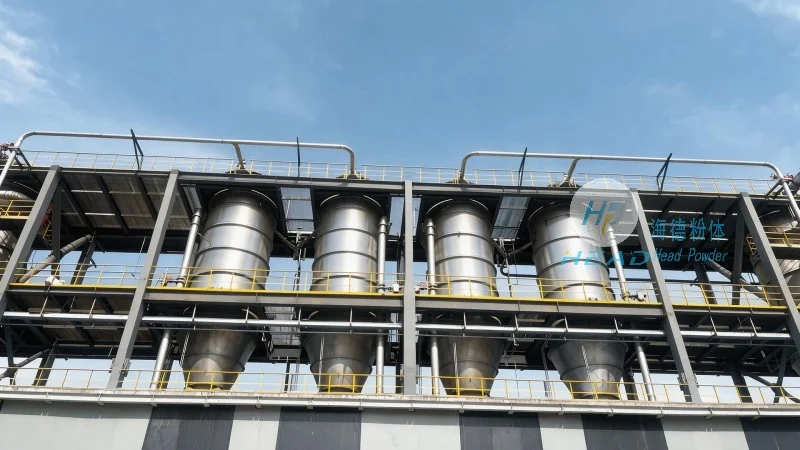
Introduction to Arsenic Trioxide Transportation
Arising from the need to move arsenic trioxide safely and effectively, different transportation methods have been developed to cater to diverse industrial applications. These methods are designed to minimize risks associated with the handling of this toxic substance while maximizing operational efficiency. The choice of method often depends on factors such as the volume of the material, the distance to be covered, and the destination's infrastructure capabilities.
Common Transportation Methods for Arsenic Trioxide
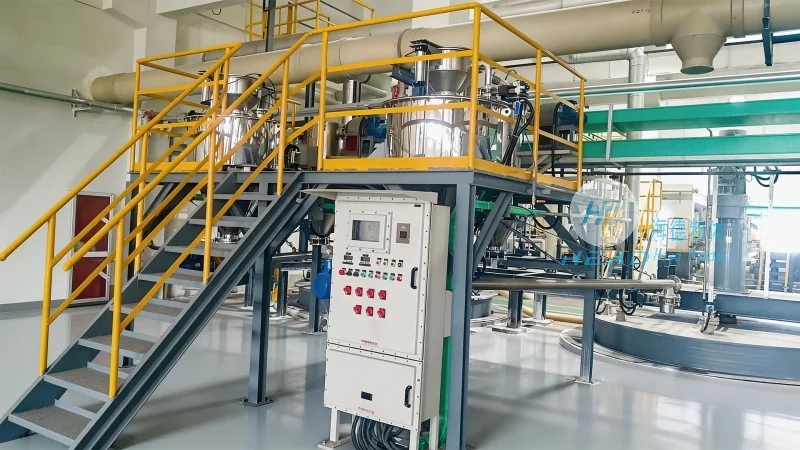
Several primary methods are utilized for transporting arsenic trioxide, each with distinct advantages and specific applications. The selection of a method is typically based on the client's operational needs, logistical constraints, and the nature of the receiving facility.
Pipeline Transportation
Pipeline transportation is a common and efficient method for moving large volumes of arsenic trioxide, especially in industrial settings where continuous flow is required. This method involves the use of specialized pipelines constructed from corrosion-resistant materials such as stainless steel or high-density polyethylene. The pipelines are equipped with pressure control systems, temperature monitoring devices, and regular inspection points to ensure the integrity of the transport system. HeadPowder Engineering specializes in designing and implementing pipeline systems that meet stringent safety standards, including leak detection and emergency shutdown mechanisms. These systems are engineered to prevent spills, leaks, or contamination, thereby safeguarding both personnel and the environment.
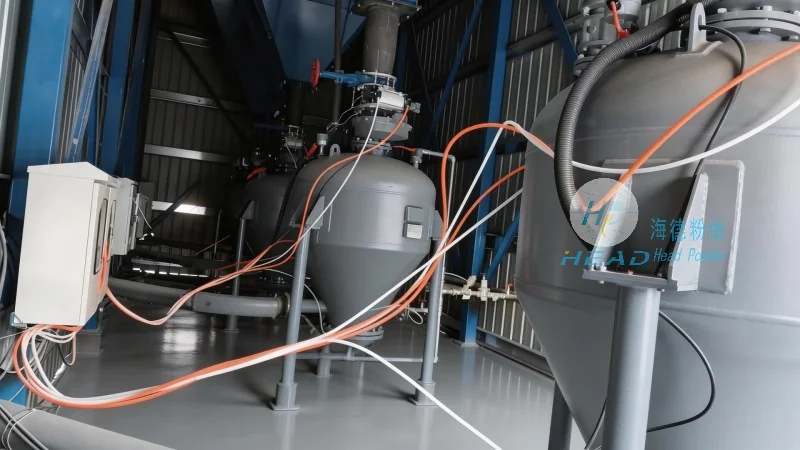
Truck Transportation
Truck transportation is another widely used method, particularly for shorter distances or when direct delivery to a facility is necessary. Specialized tanker trucks are employed for this purpose, featuring robust containment vessels made from materials like carbon steel with internal linings of corrosion-resistant coatings. The trucks are equipped with pressure relief valves, temperature sensors, and secure locking mechanisms to prevent accidental release of the material. Trained and certified drivers handle these vehicles, adhering to all relevant hazardous materials regulations. This method offers flexibility in scheduling and can be tailored to meet the specific delivery timelines of clients, making it suitable for both bulk and smaller shipments.
Containerized Transportation
For international or long-distance transport, containerized transportation is often the preferred option. Arsenic trioxide is typically loaded into specialized containers that are designed to withstand the chemical properties of the substance. These containers are constructed from materials such as carbon steel or aluminum, with internal linings to prevent corrosion. They are equipped with secure sealing systems and are marked with appropriate hazard labels to indicate the contents. The containers are transported via rail or sea, depending on the route, and are handled by certified professionals who adhere to international shipping regulations like those set by the International Maritime Organization (IMO). This method is ideal for bulk shipments and provides an additional layer of safety during transit, as containers are designed to withstand various environmental conditions.
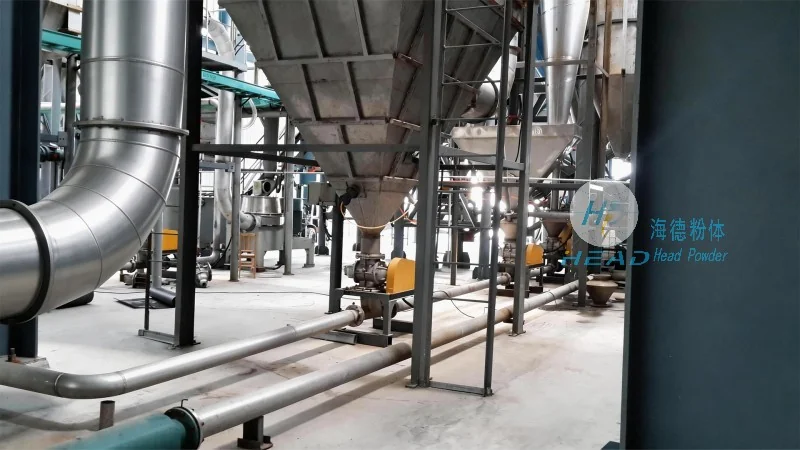
Specialized Equipment and Safety Measures
Regardless of the transportation method chosen, specialized equipment and rigorous safety measures are essential to ensure the safe handling of arsenic trioxide. This includes the use of personal protective equipment (PPE) such as gloves, goggles, and respirators for personnel involved in loading, unloading, or monitoring the process. Regular maintenance of transportation vehicles and equipment is also critical to prevent malfunctions or failures. Additionally, adherence to all local and national regulations, including those related to hazardous material classification and labeling, is mandatory. Shandong HeadPowder Engineering Co., Ltd. emphasizes the importance of a comprehensive safety protocol that covers every aspect of the transportation process, from initial loading to final unloading, ensuring that all risks are mitigated and compliance is maintained.
Conclusion
In conclusion, the transportation of arsenic trioxide involves a range of methods, each tailored to specific operational needs. By understanding the advantages and limitations of each method, industries can select the most appropriate approach for their requirements. With its expertise in engineering and commitment to safety, Shandong HeadPowder Engineering Co., Ltd. provides reliable solutions for the transportation of arsenic trioxide, ensuring that clients can meet their operational goals while upholding the highest standards of safety and regulatory compliance.

 Công ty TNHH Kỹ thuật Công trình Bột Hải Đức Sơn Đông
 156-6277-7102(Quản lý Trương)
  0531-83386006
  Quận Chương Khâu, Thành phố Tế Nam, Tỉnh Sơn Đông, Trung Quốc
Điện thoại
WeChatTư vấn
Lên đầu