Công ty Hải Đức Bột với hơn 10 năm kinh nghiệm vận chuyển khí, cung cấp hệ thống‑thiết bị‑quạt gió và nhận dự án tổng thầu bột cả nước
When it comes to the delivery of dry desulfurizers, there are several effective methods employed in industrial applications. These methods are designed to ensure the efficient and reliable transport of desulfurization agents, which are crucial for reducing sulfur dioxide emissions in various processes. The choice of delivery method often depends on factors such as the scale of operation, the type of desulfurizer, and the specific requirements of the industrial setup. Shandong HeadPowder Engineering Co., Ltd., a leading provider in this field, offers advanced solutions tailored to meet these diverse needs.
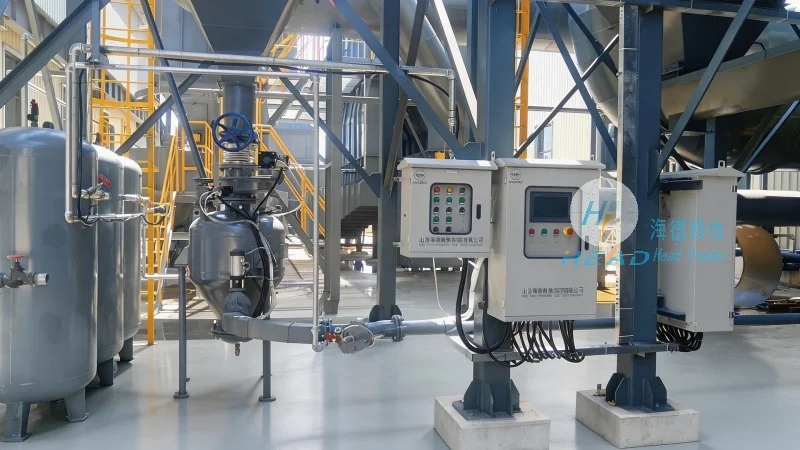
Methods for Dry Desulfurizer Delivery
One of the primary methods for delivering dry desulfurizers is through pneumatic conveying systems. This approach utilizes compressed air to transport the desulfurizer particles from a storage silo or hopper to the point of use. Pneumatic conveying is particularly suitable for fine powders and can be implemented in both positive and negative pressure configurations. The positive pressure system forces air and material through a pipeline, while the negative pressure system draws material into the system using suction. This method offers advantages like flexibility in layout and the ability to handle materials over long distances, making it a popular choice in many industrial settings.
Another common method is the use of screw conveyors or auger conveyors. These mechanical systems rely on rotating screws to move the desulfurizer through a tube or trough. Screw conveyors are effective for handling bulk materials and can be designed to operate in various orientations, including vertical or inclined positions. They are often used in applications where the material needs to be elevated or moved horizontally with consistent flow. The design of screw conveyors can be tailored to handle different particle sizes and moisture contents, ensuring reliable performance in desulfurization processes.
Advantages of Different Delivery Methods
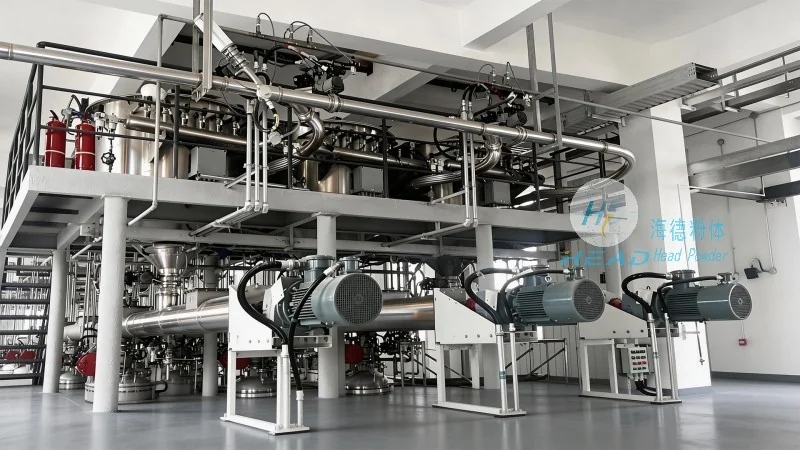
Each delivery method has its own set of advantages that make it suitable for specific applications. Pneumatic conveying systems, for instance, are ideal for transporting fine powders over long distances with minimal material degradation. They can also be integrated with dust collection systems to maintain air quality and comply with environmental regulations. On the other hand, screw conveyors provide a more direct and mechanical approach, which is often preferred in environments where air quality is a concern or where the material is prone to caking. The mechanical nature of screw conveyors also allows for better control over the flow rate and material consistency, which is critical for maintaining the efficiency of the desulfurization process.
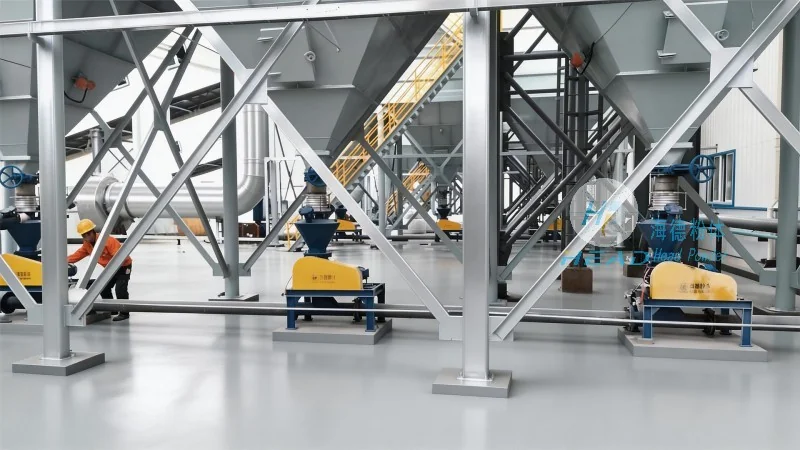
Additionally, some industrial setups may employ a combination of both pneumatic and mechanical systems to achieve optimal delivery performance. For example, a dry desulfurizer may be first transported via a screw conveyor to a transfer point, and then pneumatically conveyed to the final destination. This hybrid approach leverages the strengths of both methods, ensuring efficient material handling while minimizing operational challenges.
Considerations for Choosing the Right Delivery Method
When selecting a delivery method for dry desulfurizers, several factors need to be considered to ensure the best performance and cost-effectiveness. The first consideration is the particle size and flow characteristics of the desulfurizer. Fine powders may require more specialized equipment, such as high-pressure pneumatic systems or enclosed screw conveyors, to prevent clogging and ensure consistent flow. The second factor is the distance and layout of the industrial facility. For short distances, a simple screw conveyor might suffice, while for longer distances, pneumatic conveying may be more economical and efficient.
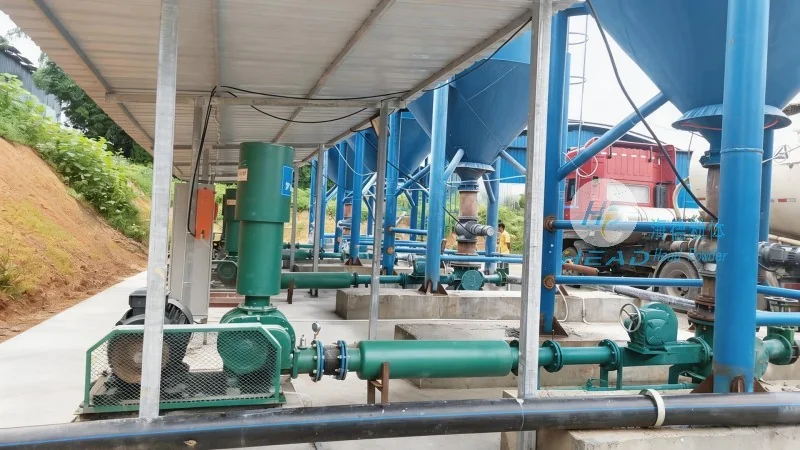
Another important consideration is the environmental impact and safety requirements. Pneumatic systems can generate dust, which may require additional dust control measures, such as filtration systems or explosion-proof designs. Screw conveyors, on the other hand, are generally more enclosed and can help contain dust within the system. The choice of delivery method should also take into account the cost of installation, maintenance, and energy consumption. While pneumatic systems may have higher initial costs due to the need for compressed air infrastructure, they can offer lower operational costs in certain scenarios, especially for long-distance transport.
Conclusion
In conclusion, the delivery of dry desulfurizers involves a range of methods, each with its own advantages and considerations. Pneumatic conveying systems provide flexibility and efficiency for long-distance transport, while screw conveyors offer a reliable, mechanical solution for bulk material handling. The optimal choice depends on the specific needs of the industrial application, including the material properties, facility layout, and environmental regulations. By carefully evaluating these factors, industrial operators can select the most suitable delivery method to ensure the efficient operation of their desulfurization processes and meet emission reduction targets.

 Công ty TNHH Kỹ thuật Công trình Bột Hải Đức Sơn Đông
 156-6277-7102(Quản lý Trương)
  0531-83386006
  Quận Chương Khâu, Thành phố Tế Nam, Tỉnh Sơn Đông, Trung Quốc
Điện thoại
WeChatTư vấn
Lên đầu