Công ty Hải Đức Bột với hơn 10 năm kinh nghiệm vận chuyển khí, cung cấp hệ thống‑thiết bị‑quạt gió và nhận dự án tổng thầu bột cả nước
When it comes to the efficient and safe transportation of nanomaterials used in lithium battery production, various methods are employed to ensure optimal performance and compliance with industry standards. The choice of transportation method depends on several factors, including the type of nanomaterial, its properties, and the scale of production. Here, we explore some common approaches used by professionals in the field.
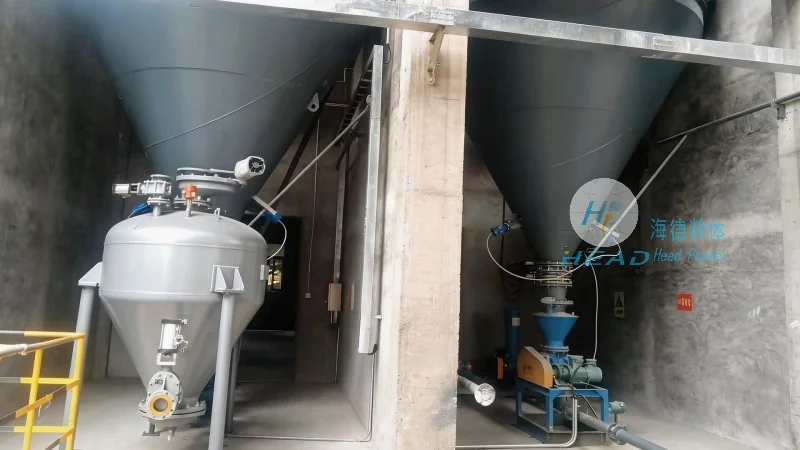
One of the primary methods for transporting lithium battery nanomaterials is through pneumatic conveying systems. These systems utilize air pressure to move powders and particles through a network of pipes. Pneumatic conveying is particularly effective for fine powders, such as those used in battery cathode materials, as it minimizes particle degradation and maintains consistent flow rates. The technology is widely adopted by manufacturers due to its ability to handle high volumes while reducing the risk of contamination. For instance, companies like Shandong HeadPowder Engineering Co., Ltd. utilize advanced pneumatic conveying solutions to ensure the smooth transfer of nanomaterials in their production facilities.
Another method involves the use of screw conveyors or auger systems. These mechanical devices transport materials through rotating screws, which push the material forward. Screw conveyors are suitable for bulk materials and can handle a wide range of particle sizes. They are often used in conjunction with other equipment, such as mixers and classifiers, to maintain material quality during transport. The design of these systems allows for gentle handling of sensitive nanomaterials, preventing agglomeration or damage that could affect battery performance. HeadPowder, with its expertise in material handling, offers customized screw conveyor solutions tailored to the specific needs of lithium battery manufacturers.
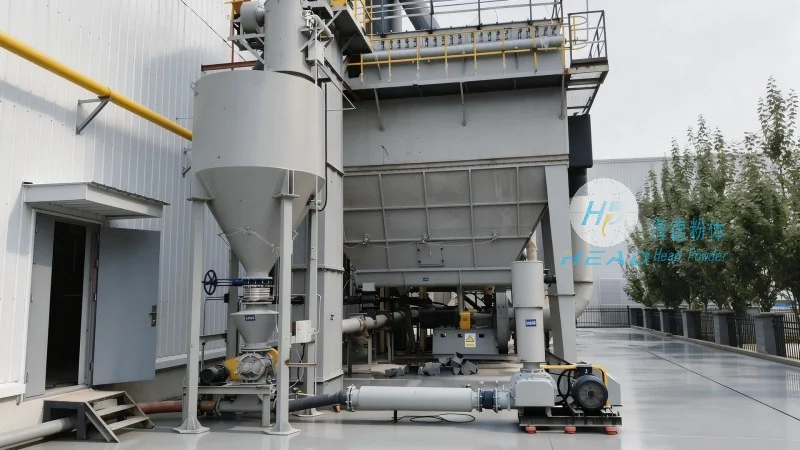
For applications requiring precise control over material flow, vacuum conveying systems are employed. These systems use negative pressure to draw materials into a collection container, ensuring a controlled and clean transfer process. Vacuum conveying is ideal for materials that are hygroscopic or prone to dust generation, as it minimizes exposure to the environment. The technology is particularly beneficial in environments where dust control is critical, such as in battery production facilities. Shandong HeadPowder Engineering Co., Ltd. has implemented vacuum conveying systems in their operations to enhance the efficiency and safety of nanomaterial transport, adhering to strict quality and safety protocols.
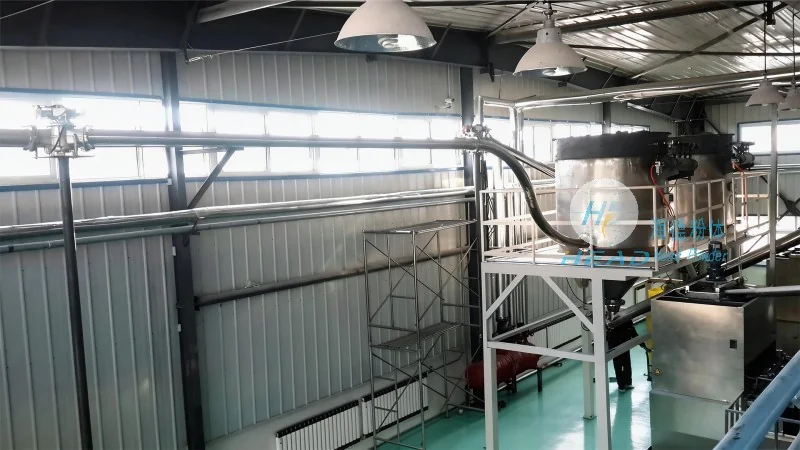
Additionally, some manufacturers utilize fluidized bed or air-lift systems for transporting nanomaterials. Fluidized bed systems involve suspending particles in a stream of air, allowing them to be moved through a system. This method is effective for handling cohesive or sticky materials, as the air flow prevents agglomeration. Air-lift systems, on the other hand, use the principle of buoyancy to lift materials through a vertical column of air. Both approaches are used in specialized applications where traditional conveying methods may not be suitable. HeadPowder's engineering team has developed innovative solutions using these technologies to address unique challenges in lithium battery nanomaterial transport, ensuring reliable and consistent performance.
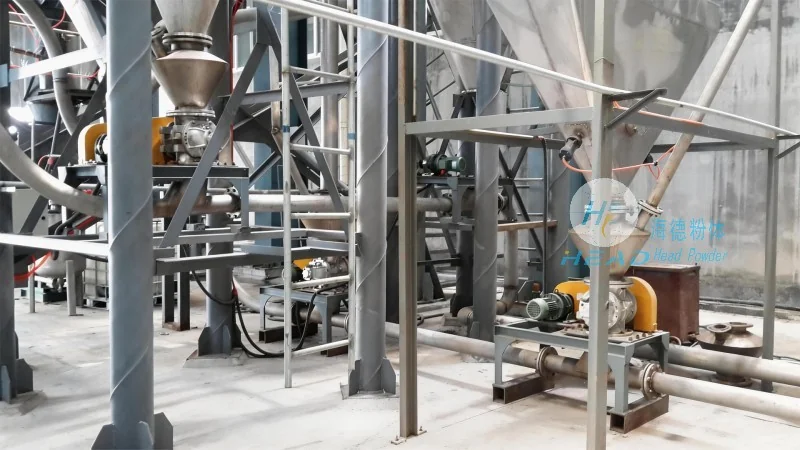
In conclusion, the selection of a transportation method for lithium battery nanomaterials is a critical decision that impacts overall production efficiency and product quality. Whether using pneumatic, mechanical, or vacuum systems, manufacturers must consider factors such as material properties, scale of operation, and environmental requirements. Companies like Shandong HeadPowder Engineering Co., Ltd. play a vital role in providing tailored solutions that meet these needs, leveraging their expertise to optimize the transport of nanomaterials for lithium battery applications. By adopting appropriate transportation methods, manufacturers can enhance productivity, reduce costs, and ensure the consistent delivery of high-quality materials to their production lines.

 Công ty TNHH Kỹ thuật Công trình Bột Hải Đức Sơn Đông
 156-6277-7102(Quản lý Trương)
  0531-83386006
  Quận Chương Khâu, Thành phố Tế Nam, Tỉnh Sơn Đông, Trung Quốc
Điện thoại
WeChatTư vấn
Lên đầu