Công ty Hải Đức Bột với hơn 10 năm kinh nghiệm vận chuyển khí, cung cấp hệ thống‑thiết bị‑quạt gió và nhận dự án tổng thầu bột cả nước
HeadPowder, a leading provider in the field, specializes in solutions for efficient sand and soil transportation. Based in Shandong, China, the company has established itself as a trusted partner for industries requiring reliable material handling systems. This article explores the common methods used for transporting sand and soil, highlighting the key approaches and their applications.
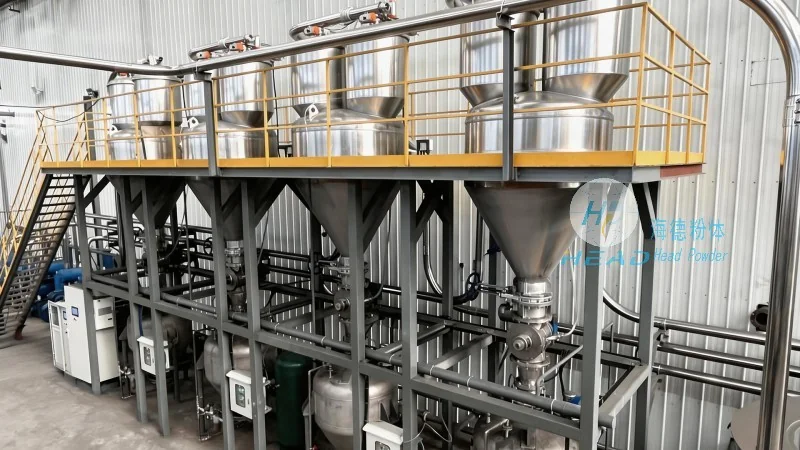
Overview of Sand and Soil Transportation Methods
Sand and soil transportation is a critical process in various industries, including construction, mining, and environmental remediation. The choice of method depends on factors such as material properties, distance, volume, and operational requirements. Below are some of the most common approaches used to move these materials efficiently and safely.
Method 1: Pipeline Transportation
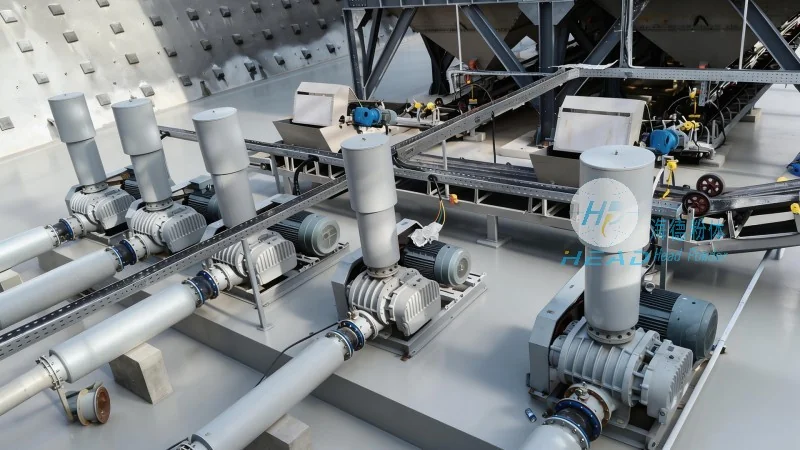
Pipeline transportation is a widely used method for moving sand and soil over long distances. This approach involves conveying the material through a series of pipes using pressure or vacuum. The system typically consists of a hopper, a pump, and a pipeline network. For sand and soil, slurry pipelines are often employed, where the material is mixed with water to create a slurry that can be pumped through the pipes. This method is particularly effective for transporting large volumes of material over distances of several kilometers. The advantages of pipeline transportation include high efficiency, minimal labor requirements, and the ability to operate continuously. However, it requires significant initial investment for pipe installation and may not be suitable for all types of soil, especially those with high clay content that can clog the pipes.
Method 2: Mechanical Conveying Systems
Mechanical conveying systems use mechanical components to move sand and soil. These systems are commonly used in industrial settings where the material needs to be transported over shorter distances or within a facility. The most common types include belt conveyors, screw conveyors, and bucket elevators. Belt conveyors are ideal for transporting loose materials like sand over moderate distances. They consist of a continuous belt that moves over rollers, carrying the material from the loading point to the discharge point. Screw conveyors, also known as augers, use a rotating screw to push the material forward. They are suitable for handling fine-grained materials and can be installed in vertical or horizontal configurations. Bucket elevators use buckets attached to a chain or belt to lift and transport material vertically. These systems are efficient for vertical transport and can handle a wide range of soil types. Mechanical conveyors offer flexibility in terms of layout and can be integrated with other equipment, making them a popular choice for many applications.
Method 3: Hydraulic Conveying
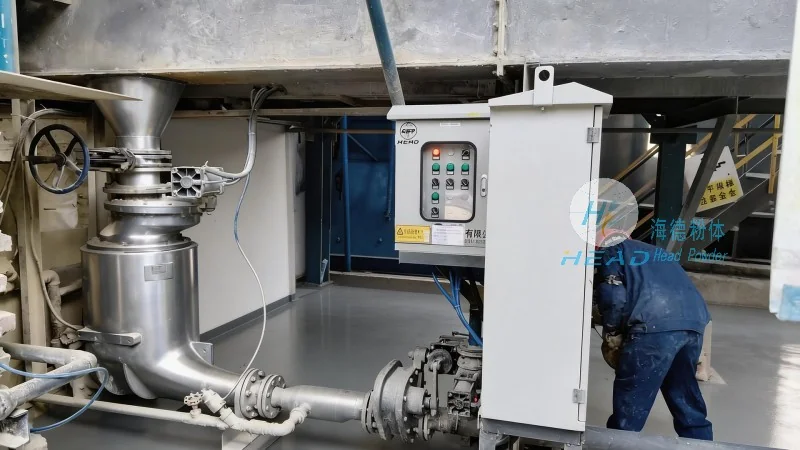
Hydraulic conveying, also known as slurry pumping, is another effective method for transporting sand and soil. This technique involves pumping a slurry of sand and water through a pipeline using high-pressure pumps. The slurry is created by mixing the soil with water in a mixing tank, and then pumped to the destination. Hydraulic conveying is particularly useful for transporting material through difficult terrain or over long distances where other methods may be impractical. It can handle a wide range of soil types, including those with high clay content, as the water helps to keep the material in suspension. The main advantage of hydraulic conveying is its ability to transport material over long distances with minimal energy consumption compared to other methods. However, it requires careful control of the slurry density to prevent clogging and ensure smooth operation.
Choosing the Right Method for Your Needs
When selecting a sand and soil transportation method, several factors must be considered. The first is the distance over which the material needs to be transported. For short distances, mechanical conveyors may be sufficient, while for long distances, pipeline or hydraulic systems are more appropriate. The second factor is the volume of material to be moved. High-volume applications may benefit from pipeline or hydraulic systems, which can handle large quantities continuously. The third factor is the material properties, such as particle size, moisture content, and clay content. Materials with high clay content may require special handling to prevent clogging in pipelines or conveyors. Finally, the operational environment and budget constraints also play a role in the decision-making process. HeadPowder offers tailored solutions that consider these factors to ensure the most efficient and cost-effective transportation method is selected for each project.
By understanding the different methods available and their applications, industries can make informed decisions to optimize their sand and soil transportation processes. Whether using pipeline, mechanical, or hydraulic systems, the goal is to achieve efficient, reliable, and safe material handling. HeadPowder continues to provide innovative solutions to meet the evolving needs of the industry, ensuring that sand and soil are transported effectively and sustainably.

 Công ty TNHH Kỹ thuật Công trình Bột Hải Đức Sơn Đông
 156-6277-7102(Quản lý Trương)
  0531-83386006
  Quận Chương Khâu, Thành phố Tế Nam, Tỉnh Sơn Đông, Trung Quốc
Điện thoại
WeChatTư vấn
Lên đầu